
September 29, 2024 · Angelique
Understanding Puppy Behavior: Recognizing the Difference Between Play and Problem Behaviors
A practical guide to normal puppy play, biting, barking and overstimulation, with signs that warrant closer attention.

Bringing home a new puppy is an exciting time for any family. Those cute, playful moments are priceless, but as every new dog parent soon learns, puppies also come with a set of challenging behaviors. From chewing on shoes to playful nipping, it’s important to understand what’s normal and when it’s time to intervene. Recognizing the difference between typical play behavior and potential problem behaviors can help you guide your puppy into becoming a well-mannered adult dog.
1. Chewing: Normal Exploration or Destruction?
Why Puppies Chew:
Chewing is a normal part of puppy development. Just like human babies, puppies explore their world by using their mouths. It helps them learn about their environment, relieve teething discomfort, and build jaw strength.
When It’s Play:
Puppies often chew on toys, sticks, or even your fingers as part of natural play. This is usually gentle and not intended to harm. Providing chew toys designed for teething puppies can satisfy this urge and keep them entertained.
When It’s a Problem:
If your puppy is chewing on furniture, shoes, or anything else off-limits, it’s a sign they need more guidance. Puppies may also chew destructively out of boredom, frustration, or anxiety. If the chewing is excessive or directed at harmful items, it’s time to step in. Offer appropriate toys and supervise play to redirect their attention to acceptable objects.
How to Intervene:
Start by puppy-proofing your home—keep dangerous or valuable items out of reach. Provide a variety of chew toys and rotate them regularly to keep your puppy engaged. If you catch them chewing on something inappropriate, calmly redirect them to a toy. Praise and reward them when they chew on the right items.
2. Nipping and Biting: Fun Play or a Red Flag?
Why Puppies Nip:
Nipping is a common behavior, especially in young puppies. In the wild, dogs learn bite inhibition through playing with their littermates—when one puppy bites too hard, the others will yelp, and the biting puppy learns to control its bite pressure.
When It’s Play:
Puppies naturally use their mouths during play with both humans and other dogs. Play nipping is usually gentle and should not break the skin. It’s an important part of their social development, helping them understand boundaries.
When It’s a Problem:
Repeated hard biting, bites that break skin, fearful withdrawal or difficulty disengaging deserve closer attention. Growling is a communication signal, not automatically aggression; assess the context and seek qualified help when the behaviour is persistent or escalating.
How to Intervene:
When play biting becomes uncomfortable, calmly pause interaction and give the puppy space to settle. Redirect to a suitable chew or toy, reward gentler choices and check whether the puppy is overtired or overwhelmed. Avoid frightening corrections or games that intensify arousal. Seek individual guidance for repeated injurious biting.
3. Barking: Communication or Nuisance?
Why Puppies Bark:
Barking is a normal form of communication for dogs. Puppies may bark when they’re excited, want attention, or are startled by something unfamiliar.
When It’s Play:
Some barking during play is perfectly natural. Puppies may bark when they’re engaging with other dogs or when they’re happy and excited during a game of fetch. This type of barking is typically short-lived and not excessively loud.
When It’s a Problem:
Excessive barking can quickly become an issue. If your puppy barks non-stop when left alone, when they’re bored, or when someone passes by the window, it’s a sign they need more attention or training. Ignoring problem barking can reinforce the behavior, leading to more serious issues as your puppy grows.
How to Intervene:
Start by ensuring your puppy is getting enough mental stimulation and physical exercise. Puppies that are tired and fulfilled are less likely to bark excessively. If barking becomes excessive, use the “quiet” command. Reward your puppy when they stop barking and remain calm. Avoid yelling, as this may encourage your puppy to think you’re joining in their barking.
4. Zoomies: Playful Energy or Something More?
Why Puppies Get the Zoomies:
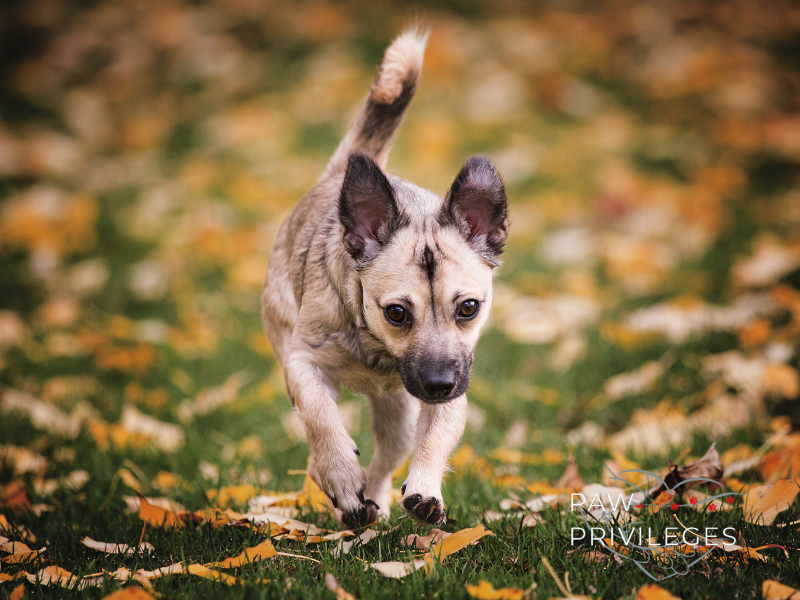
Zoomies, or frenetic random activity periods (FRAPs), are bursts of energy that can send your puppy running around in circles at top speed. These are completely normal, especially in puppies and young dogs, as they help release pent-up energy.
When It’s Play:
Zoomies often happen after a bath, during playtime, or in the evening before bed. They are a harmless way for your puppy to burn off excess energy and have some fun. As long as your puppy is in a safe space, let them zoom to their heart’s content!
When It’s a Problem:
Zoomies can become problematic if they happen in unsafe areas, like near traffic or in a home with fragile objects. If your puppy is having zoomies too frequently, it may be a sign they need more structured play and exercise during the day.
How to Intervene:
Provide plenty of daily exercise and mental stimulation through games, walks, and training sessions. When your puppy starts to zoom around, guide them to a safe area where they can run without risk. If your puppy has frequent zoomies, consider increasing the length of their walks or introducing more interactive toys to help manage their energy.
5. Jumping: Excitement or Inappropriate Behavior?
Why Puppies Jump:
Puppies jump as a way to greet people and get attention. It’s an instinctive behavior, but one that can quickly become problematic if not addressed early on.
When It’s Play:
Jumping can be an expression of excitement when greeting you after being apart, or when they’re full of energy and want to play.
When It’s a Problem:
As your puppy grows, jumping can become a nuisance, especially when meeting guests or interacting with small children. Jumping for attention may also encourage other unwanted behaviors, such as barking or nipping.
How to Intervene:
Teach your puppy to sit instead of jumping when they greet people. Consistently reward calm behavior with treats and praise. If your puppy jumps, turn away and ignore them until they settle down. Only give attention when all four paws are on the ground.
Conclusion: Recognizing and Managing Puppy Behavior
Understanding the difference between play and problem behaviors in puppies is essential to raising a happy, well-adjusted dog. Chewing, nipping, barking, zoomies, and jumping are all normal puppy behaviors, but they need to be managed appropriately to avoid developing into problematic habits. With patience, consistency, and the right training techniques, you can guide your puppy through these behaviors and help them grow into a well-behaved adult dog.
By recognizing when to intervene, and providing proper outlets for your puppy’s energy and natural instincts, you’ll set the stage for a lifetime of positive behavior. If you’re looking for a reputable, ethical breeder who puts temperament and health first, visit Paw Privileges Breeders to research breeders who are committed to their offspring and your journey.


Keep Reading: Puppy Training Essentials
- Puppy Academy
- The Art of Puppy Training
- Effective House Training Techniques
- Understanding Puppy Behavior
- Safe Socialization Before Vaccinations
- The Complete Guide to Puppy Nutrition
- FeedWise Food Calculator
How to tell playful behaviour from distress
Look at the whole puppy, not one isolated signal. Comfortable play often includes loose movement, brief pauses and a willingness to re-engage. Stress may show as freezing, avoidance, repeated attempts to escape, tense posture or an inability to settle. Growling alone does not diagnose aggression: context, body language and what happened before and after matter. Avoid punishing warning signals.
What to do when play becomes too intense
- Make the environment safer and remove tempting or hazardous objects.
- Pause the activity calmly, create space and offer an appropriate chew or quieter activity.
- Consider whether your puppy needs rest, a toilet opportunity or a less stimulating setting.
- Reward calm choices and increase the difficulty of play gradually rather than escalating corrections.
- If bites injure people, behaviour worsens, or fear is persistent, ask a qualified behaviour professional and your veterinarian for individual assessment.
Further puppy support from Paw Rewards
Build everyday skills with our puppy training foundations, review how to choose a puppy class and see our days 3–7 settling guide. Paw Rewards is 100% free with no premium tier. An active free app account is required to earn or redeem eligible Treats; rewards are governed by current Quest rules, not guaranteed for every training session.
Your puppy journey
Keep building a calm, confident start.
Paw Rewards is free; an active Paw Rewards app account is required to earn and redeem Treats. No breeder invitation is required.
Comments (0)
Loading comments…