
July 28, 2024 · Angelique
Effective House Training Techniques for Your New Puppy
A practical, gentle puppy house-training guide covering outdoor routines, accidents, crate use, nights and when to contact a veterinarian.
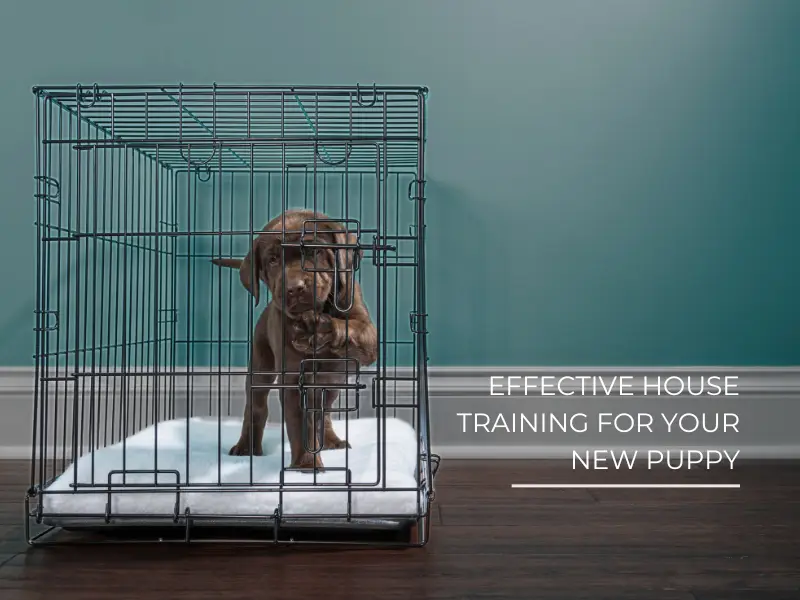
Puppy toilet training is a routine, not a test. Start with frequent opportunities, careful supervision and immediate rewards for success. The sections below explain what to do when your puppy is still learning.
Effective House Training Techniques for Your New Puppy. House training a puppy is one of the most crucial and challenging tasks for new pet owners. With patience, consistency, and the right techniques, you can successfully teach your puppy where and when to go potty. Here is a comprehensive guide to effective house training techniques to help you and your new furry friend.
Step-by-Step Guide to Crate Training
Crate training is an essential tool in house training. When done correctly, it provides a safe space for your puppy and aids in teaching bladder control.
- Choosing the Right Crate: The crate should be large enough for your puppy to stand, turn around, and lie down comfortably but not so large that they can use one corner as a bathroom.
- Introducing the Crate: Make the crate a positive place by placing treats, toys, and a comfortable bed inside. Encourage your puppy to enter by using a cheerful tone and praise.
- Short Periods at First: Start with short periods of time in the crate while you’re home. Gradually increase the time your puppy spends inside as they become more comfortable.
- Consistency is Key: Introduce the crate or pen gradually as a comfortable rest space. Use it only for appropriate periods and never as punishment.
Potty Training Strategies and Tips
Consistency, observation, and positive reinforcement are critical to successful potty training. Follow these strategies for best results:
- Establish a Routine: Take your puppy outside frequently—every two hours, and immediately after they wake up, during and after play, and after eating or drinking.
- Use a Command: Choose a specific command, like “go potty,” and use it consistently each time you take your puppy outside to do their business.
- Pick a Potty Spot: Always take your puppy to the same spot outside. Their scent will prompt them to go.
- Praise and Reward: Immediately praise and reward your puppy with treats or affection when they go potty outside. Positive reinforcement is crucial.
- Watch for Signs: Learn to recognize signs that your puppy needs to go, such as sniffing around, circling, or whining.
Handling Accidents and Setbacks with Patience
Accidents are a normal part of the house training process. Here’s how to handle them without setbacks:
- Don’t Punish: Never punish your puppy for accidents. This can create fear and anxiety, making house training more difficult.
- Clean Thoroughly: Clean accidents immediately and thoroughly with an enzymatic cleaner to remove all traces of the scent and prevent repeat accidents.
- Interrupt and Redirect: If you notice your puppy starting to eliminate indoors, calmly guide them outside without startling or scolding them. Reward if they finish outdoors.
Effective House Training Techniques for Your New Puppy | Additional Tips
Provide Ample Time to Rest
Bringing a new puppy home is exciting, but it can also be overwhelming for them. Ensure your puppy has ample time to rest and recuperate from all the new experiences and stimuli.
Limit Treats on the First Day
While it’s tempting to shower your new puppy with treats, their belly may be a bit nervous on the first day. Stick to their regular food and avoid overfeeding treats to prevent an upset stomach.
Only Bathe if Absolutely Necessary
Bathing your puppy can be stressful and should only be done if absolutely necessary. An additional stressor can delay your puppy’s comfort in their new home. Use a damp cloth to clean minor messes instead.
Establish a Feeding Schedule
Regular feeding times create predictability and help establish a potty routine. Feed your puppy at the same times each day and take them outside shortly after each meal.
Conclusion
Effective House Training Techniques for Your New Puppy. House training your puppy requires time, patience, and consistency. By following these effective house training techniques, you can help your puppy learn where and when to go potty, leading to a well-trained and happy pet. Remember, every puppy is different, and some may take longer to train than others. Stay positive and supportive throughout the process, and your efforts will pay off. If you are looking for a responsible breeder, please visit Paw Privileges Breeders to find Canadian Breeders who check off all the boxes!

Keep Reading: Puppy Training Essentials
- Puppy Academy
- The Art of Puppy Training
- Effective House Training Techniques
- Understanding Puppy Behavior
- Safe Socialization Before Vaccinations
- The Complete Guide to Puppy Nutrition
- FeedWise Food Calculator
A realistic puppy toilet-training routine
There is no universal timetable that suits every puppy. Age, size, sleep, meals, activity, health and individual development all influence when a puppy needs to go. Start by offering an outdoor toilet opportunity after waking, eating, drinking and play, and regularly while the puppy is awake. Young puppies may need outings more often than every two hours; watch the puppy rather than the clock.
What to do each time
- Walk calmly to a suitable, consistent toilet area.
- Give the puppy a little quiet time to sniff and choose where to eliminate.
- As soon as the puppy finishes, calmly praise and offer a small suitable reward.
- Record roughly when they went, especially during the first week, so you can spot a pattern.
- If nothing happens, return indoors with appropriate supervision and offer another opportunity soon.
When your puppy has an indoor accident
Do not shout, clap to startle, scold or rub a puppy's nose in the mess. If you notice the puppy beginning to eliminate indoors, calmly offer an outdoor opportunity without frightening them. Clean soiled areas thoroughly with a pet-appropriate enzymatic cleaner and review whether supervision or the interval between outings needs adjusting. An accident gives you information about the setup, not proof that the puppy is being stubborn.
Overnight and apartment toilet-training considerations
Keep the nighttime route simple, safely lit and quiet. A puppy may still need overnight toilet breaks; do not withhold water or force long confinement to meet an arbitrary milestone. Apartment families should plan a safe, practical route to an appropriate toilet area. Ask your veterinarian how to manage shared outdoor spaces according to your puppy's vaccination history and local infectious-disease risks.
Crates, pens and time alone
A crate or puppy pen can help with supervision, but it does not teach toileting by itself. Introduce the space gradually with positive associations. Never leave a puppy confined longer than they can comfortably manage, and do not punish accidents. For a fuller plan, read our crate-training guide.
When to seek veterinary advice
Contact a veterinarian if your puppy strains to urinate, seems painful, has blood in the urine, develops a sudden change in urination, or shows other concerning symptoms. Frequent accidents can reflect a training setup issue, but they can also warrant medical assessment. Avoid treating possible illness as disobedience.
Where house training fits into your puppy's first week
For arrival-day routines see First 48 Hours With a New Puppy. Then follow the distinct days 3–7 puppy guide for building consistency. The puppy training foundations guide covers attention, recall and gentle learning alongside toilet training.
Use Paw Rewards to build consistent habits
Paw Rewards is 100% free with no premium tier, with training tailored to the dog's age, breed, activity and lifestyle, starting at eight-week puppy foundations and extending to advanced K9 Working and elite levels. The app can support a consistent training routine, but it cannot diagnose a medical issue or replace hands-on professional help. An active free app account is required to earn or redeem eligible Treats; bonus rewards apply only under current Quest rules, not automatically to every puppy-care activity.
Your puppy journey
Keep building a calm, confident start.
Paw Rewards is free; an active Paw Rewards app account is required to earn and redeem Treats. No breeder invitation is required.
Comments (0)
Loading comments…