
July 18, 2026
Puppy Academy: Crate Training Success
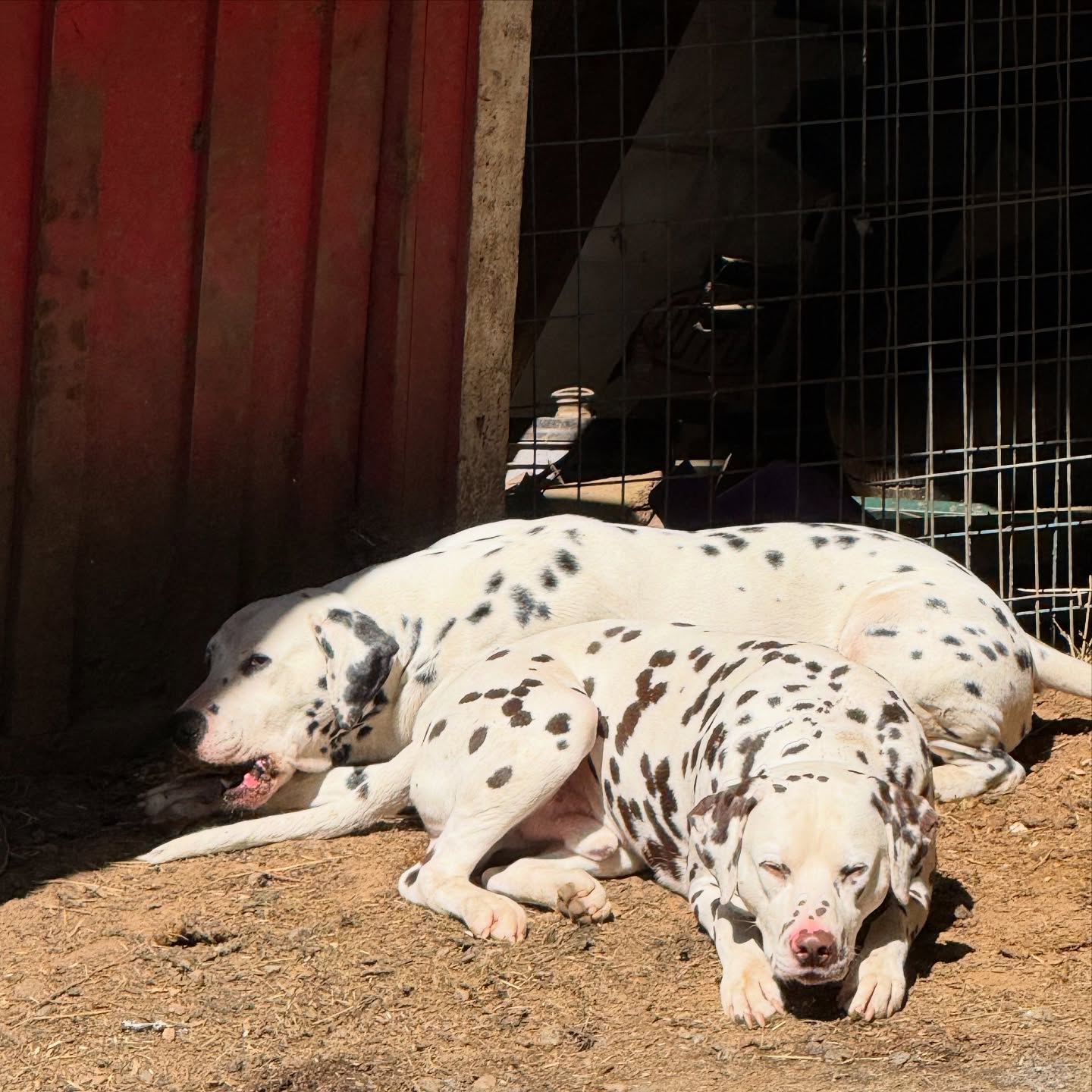
Puppy Academy: Crate Training Success
Building Positive Associations From Day One
Few puppy topics create as much debate as crate training.
Some people view crates as restrictive or unnecessary, while others consider them one of the most valuable tools in raising a confident, well-adjusted dog.
The truth lies in how the crate is introduced.
When used properly, a crate is not a punishment or a place of isolation. It becomes a safe space, a bedroom, and a valuable management tool that helps puppies learn routines, build confidence, and settle successfully into family life.
Crate training done correctly can make potty training easier, prevent destructive behaviours, improve sleep routines, reduce anxiety, and even help dogs cope better during veterinary visits, travel, grooming appointments, and emergencies.
The goal is simple:
Teach your puppy that the crate is one of the best places in the world to be.
Why Crate Train?
Dogs naturally seek secure resting spaces.
A properly introduced crate can provide:
✓ Safety and security
✓ Better sleep routines
✓ Easier house training
✓ Prevention of destructive chewing
✓ Reduced risk of household accidents
✓ A quiet place to decompress
✓ Easier travel and emergency preparedness
✓ A familiar environment during stressful situations
Crates are also invaluable during:
Recovery from illness or surgery
Hotel stays and vacations
Dog shows and sporting events
Emergency evacuations
Grooming appointments
Veterinary hospitalization
A dog that is comfortable in a crate often handles life's unexpected situations with significantly less stress.
Choosing the Right Crate
Selecting the right crate is the first step toward success.
Size Matters
Your puppy should be able to:
Stand comfortably
Turn around easily
Lie down fully stretched out
However, the crate should not be so large that your puppy can sleep in one area and eliminate in another.
Many wire crates include divider panels that allow the crate to grow with your puppy.
Types of Crates
Wire Crates
Pros:
✓ Excellent airflow
✓ Good visibility
✓ Easy to clean
✓ Adjustable with dividers
Plastic Crates
Pros:
✓ Cozy, den-like environment
✓ Excellent for travel
✓ Often preferred by puppies that become overstimulated easily
Soft-Sided Crates
Pros:
✓ Lightweight
✓ Portable
Not generally recommended for young puppies that are still chewing or not fully house trained.
Where Should the Crate Be Located?
For young puppies, place the crate in an area where the family spends time.
Puppies are social animals and can become distressed if isolated immediately.
Ideal locations include:
Living rooms
Family rooms
Bedrooms during the first few weeks
Many owners choose to keep the crate beside their bed initially to help puppies transition more comfortably.
As your puppy matures, the crate location can gradually be adjusted if desired.
The Golden Rule:
Never Force the Crate
This is perhaps the most important principle of crate training.
The crate should never become:
✗ A punishment
✗ A place for "time-outs"
✗ Somewhere your puppy fears
Your puppy should always associate the crate with positive experiences.
Step One: Let Puppy Explore
When introducing the crate:
Leave the door open.
Toss treats inside.
Allow your puppy to enter voluntarily.
Praise calmly.
Do not rush.
Some puppies immediately investigate, while others may need more time.
Patience creates confidence.
Make the Crate Wonderful
Think of the crate as your puppy's favourite restaurant.
Wonderful things happen there.
Examples include:
✓ Meals
✓ Special chews
✓ Frozen enrichment toys
✓ Naps
✓ Calm praise
✓ Safe resting periods
The more positive experiences your puppy has inside the crate, the faster success will come.
Feed Meals Inside the Crate
One of the easiest ways to build positive associations is through food.
Begin by feeding meals:
Near the crate
Just inside the doorway
Fully inside the crate
Eventually with the door gently closed for short periods
Most puppies quickly begin to see the crate as a wonderful place.
Introduce Short Crate Sessions
Once your puppy is comfortable entering voluntarily:
Offer a chew or enrichment toy.
Close the door briefly.
Open it before your puppy becomes upset.
Success comes from many short, positive experiences.
Do not immediately expect your puppy to spend hours in the crate.
Training should progress gradually.
The Importance of Timing
One of the biggest mistakes owners make is crating puppies when they are:
Overstimulated
Overtired
Desperate for a bathroom break
Full of energy
Set your puppy up for success.
A crate session works best after:
✓ Potty break
✓ Gentle play
✓ Training session
✓ Mental enrichment
✓ Snuggles and calm time
A tired puppy generally settles much more easily.
Crate Training and Potty Training Go Hand in Hand
Dogs naturally avoid soiling their sleeping area.
This instinct makes crates an incredibly useful house training tool.
However, puppies still have very limited bladder control.
As a general guideline:
8–10 Weeks
Approximately 1–2 hours.
10–12 Weeks
Approximately 2–3 hours.
3–4 Months
Approximately 3–4 hours.
Remember:
These are only guidelines.
Every puppy is different.
Young puppies should never be expected to remain crated for extended periods.
Should Puppies Cry?
Some crying during adjustment is completely normal.
Your puppy has:
Left their mother and littermates
Entered a completely new environment
Lost familiar smells and sounds
This is a major life change.
What You Should Do
✓ Ensure all needs are met.
✓ Take puppy outside first.
✓ Offer comfort and reassurance.
✓ Stay calm.
✓ Give your puppy time to settle.
What You Should Avoid
✗ Punishing vocalization
✗ Yelling
✗ Hitting the crate
✗ Creating fear around confinement
The goal is confidence—not compliance through fear.
Overnight Crate Training
The first few nights can be difficult.
Many puppies settle best when the crate is placed beside your bed.
This allows you to:
Hear when puppy needs to go outside
Provide reassurance
Help puppy feel secure
Remember:
Your puppy is not "being difficult."
They are adjusting to one of the biggest transitions of their life.
Patience during these early nights often leads to faster long-term success.
Creating a Bedtime Routine
Dogs thrive on routines.
A predictable evening schedule can significantly improve crate success.
Consider:
Evening play session
Final meal several hours before bedtime
Potty break
Calm cuddle time
Short crate session with a special chew
Lights out
Consistency builds confidence.
Enrichment Makes a Huge Difference
A mentally fulfilled puppy is far more likely to settle.
Great crate enrichment options include:
✓ Stuffed food toys
✓ Frozen lick mats
✓ Safe chew items
✓ Snuffle activities
✓ Food puzzles
These activities teach puppies that wonderful things happen inside the crate.
Avoid Common Crate Training Mistakes
Mistake #1:
Using the crate only when leaving.
If the crate always predicts being alone, many puppies begin to dislike it.
Use the crate throughout the day for positive experiences.
Mistake #2:
Moving too quickly.
Crate training is a process.
Some puppies need several weeks to build confidence.
Mistake #3:
Using the crate as punishment.
This can create long-term negative associations.
Mistake #4:
Expecting too much too soon.
Young puppies need frequent potty breaks, interaction, and rest.
Mistake #5:
Ignoring individual differences.
Some puppies love crates immediately.
Others require more patience.
Every puppy develops at their own pace.
Signs Your Puppy Is Becoming Comfortable
You may notice:
✓ Entering voluntarily
✓ Choosing to nap inside
✓ Relaxed body language
✓ Falling asleep quickly
✓ Bringing toys into the crate
✓ Settling after brief whining
These are wonderful signs that your puppy is beginning to see the crate as their safe place.
When Crate Training Feels Difficult
Some puppies struggle more than others.
This can be influenced by:
Genetics
Previous experiences
Temperament
Separation concerns
Lack of gradual introductions
If crate training becomes extremely stressful, do not hesitate to seek support from:
Your breeder
A qualified trainer
Your veterinarian
There is no shame in asking for help.
Using the Paw Privileges App During Crate Training
The Paw Privileges app can help families:
✓ Track routines
✓ Log potty breaks
✓ Record sleep schedules
✓ Document milestones
✓ Create training memories
✓ Build healthy routines during the critical early months
Keeping records often helps owners identify patterns and celebrate progress.
Final Thoughts
Crate training is not about confinement.
It is about creating security.
When introduced positively and gradually, the crate becomes a place where your puppy can rest, decompress, and feel safe.
The early weeks may require patience, late-night potty trips, and plenty of treats, but the long-term benefits are enormous.
One day, you may find your adult dog voluntarily heading to their crate after a busy day, choosing it as their favourite place to relax.
That is true crate training success.
Because the goal was never simply to teach your puppy to tolerate the crate.
It was to teach them that it is home.
Continue Your Puppy Academy Journey
Next Recommended Reading:
Bringing Your Puppy Home: The First 48 Hours
Potty Training 101
Creating Your Puppy's First Routine
Socialization Without Overwhelming Your Puppy
Download Paw Privileges | Paw Rewards on Google Play to track milestones, log training progress, discover puppy-friendly adventures, and access additional Puppy Academy resources as your puppy grows.
Keep Reading: Puppy Academy
Your puppy journey
Keep building a calm, confident start.
Paw Rewards is free; an active Paw Rewards app account is required to earn and redeem Treats. No breeder invitation is required.
Keep exploring
Everything you need — from finding your next dog to caring for the one already at your feet.
Related Articles
- No related guides to display.
- Browse all articles →
Breeders
Memory Box
Rewards
Do It Right
Comments (0)
Loading comments…