July 15, 2026 · Paw Privileges
What is a Puppy Mill in Canada
Learn which warning signs deserve a closer look, what needs context, and what to ask before committing to a puppy.
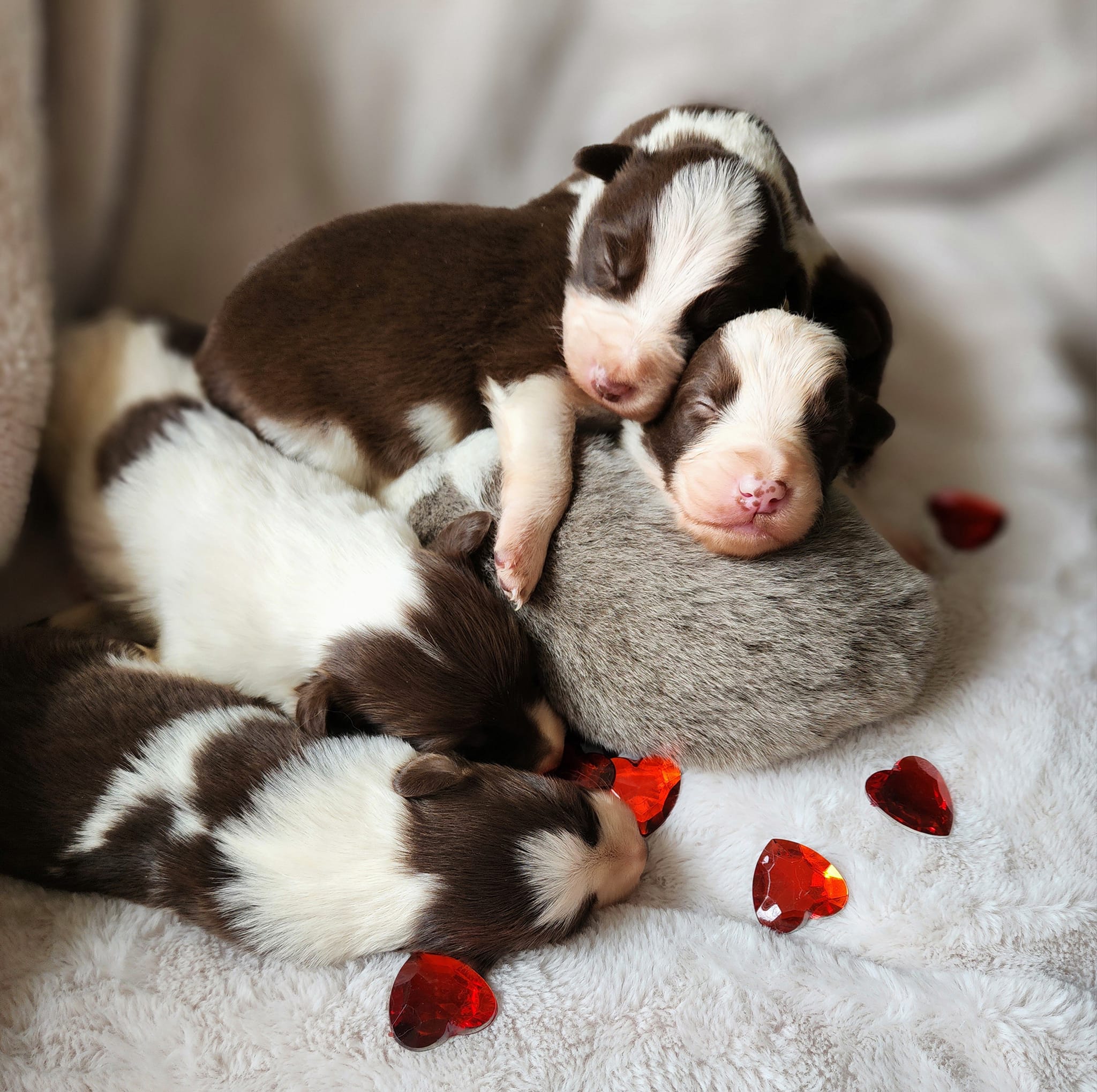
For many families, bringing home a puppy is one of life's most exciting moments. Unfortunately, not every puppy comes from a responsible, ethical breeding program.
Despite increasing awareness and education, puppy mills remain a very real and serious issue across Canada.
At Paw Privileges, we believe that education is one of the most powerful tools we have to protect both dogs and puppy families.
What Is a Puppy Mill?
A puppy mill is generally considered a breeding operation that prioritizes profit over the health, welfare, and well-being of the dogs.
The primary goal is often producing and selling as many puppies as possible, frequently with little regard for:
The physical and emotional health of breeding dogs
Proper veterinary care
Genetic health and health testing
Socialization and enrichment
Responsible placement of puppies
Lifetime support for puppy families
While facilities and situations can vary greatly, the common thread is that the welfare of the dogs becomes secondary to financial gain.
Why Are Puppy Mills So Dangerous?
1. Poor Health and Genetic Issues
Puppy mills often breed dogs without appropriate health testing or long-term planning.
This can increase the risk of inherited diseases, including:
Hip and elbow dysplasia
Eye diseases
Heart conditions
Neurological disorders
Autoimmune diseases
Breed-specific genetic disorders
Families may face significant emotional and financial hardship as a result.
2. Inadequate Socialization
The first few weeks of a puppy's life are critically important.
Puppies raised in poor environments may miss essential developmental experiences, increasing the risk of:
Fearfulness
Anxiety
Separation issues
Reactivity
Difficulty adapting to new environments
Behavioral challenges later in life
Proper early socialization can have lifelong effects on a dog's confidence and wellbeing.
3. Poor Living Conditions
In many puppy mill situations, breeding dogs may live in overcrowded, unsanitary, or highly stressful environments.
Dogs may experience:
Lack of exercise
Limited human interaction
Inadequate grooming and veterinary care
Repeated breeding without adequate recovery periods
Chronic stress and poor quality of life
The welfare concerns for breeding dogs themselves are often among the most heartbreaking aspects of puppy mills.
4. Little Accountability
Responsible breeders remain involved in the lives of their puppies.
Puppy mills often do not.
There may be:
No contracts
No return policies
No breeder support
No interest in where puppies are placed
No long-term commitment to the dogs they produce
When problems arise, families are often left to manage them entirely on their own.
Dog Breeder Red Flags: What to Ask Before You Commit
A polished website or an appealing puppy photograph cannot answer the questions that matter. Look at how the breeder responds when you ask for information about the dogs, the litter and the agreement.
1. Questions are repeatedly ignored or redirected to payment
Ask who bred the litter, where the puppies are being raised and why this pairing was chosen. If your questions remain unanswered while requests for a deposit continue, pause the process. You should be able to understand what you are committing to before you pay.
2. Health claims come without documentation
Ask to see the breeding dogs’ relevant health results and have the breeder explain them. A statement such as “healthy parents” does not tell you which tests were completed. Our health-testing guide explains the questions to take into that conversation.
3. You cannot learn where or how the puppies are raised
Discuss a visit or a live video conversation and ask about the puppies’ daily care, surroundings and early experiences. If an in-person visit is not possible, ask why and what alternative the breeder can offer. Repeatedly refusing any meaningful view of the dogs or their environment deserves further investigation.
4. There is little interest in the home you can provide
Expect a conversation about your household, routines and plans for the dog. Be cautious if the only questions concern payment and collection. Matching a puppy with a family takes more than choosing a photograph.
5. Written terms are unavailable before payment
Request the contract and deposit terms in advance. Ask what is included, what happens if plans change and how the breeder will help if you cannot keep the dog. Use our puppy-contract guide to prepare your questions.
6. The explanation changes when you ask for details
Write down the names, dates and arrangements discussed. If different messages give conflicting information about the puppy’s parents, age, location or seller, ask for clarification before proceeding. An unresolved contradiction is a reason to stop and reassess.
Signs That Need Context
A puppy being available, a non-refundable deposit, an online advertisement or the number of dogs on a property does not, by itself, establish that someone operates a puppy mill. Evaluate the care, documentation, transparency and placement process together.
- Visits: ask about the breeder’s visiting arrangements and alternatives if there are health, distance or privacy considerations.
- The sire living elsewhere: ask for his information and health documentation; he does not have to live with the litter.
- Deposits: understand the written terms and any transfer or cancellation arrangements before paying.
- Available puppies: ask about the litter and how the breeder selects homes. A waiting list is not proof of quality either.
- Price: compare what is documented and included. Price alone does not establish responsible care.
Why Supporting Responsible Breeders Matters
Every puppy purchased from an unethical source helps sustain the demand that allows puppy mills to continue operating.
Choosing a responsible breeder helps support:
✔ Better welfare for breeding dogs
✔ Health testing and genetic responsibility
✔ Proper socialization and early development
✔ Lifetime support for puppy families
✔ Preservation of healthy, stable breeds
✔ Ethical breeding practices for future generations
Responsible breeders invest enormous amounts of time, money, education, and emotion into producing healthy, well-adjusted puppies.
A Word of Caution About Labels
While puppy mills remain a serious issue that deserves attention, it is also important to use this term carefully.
Calling someone a "puppy mill" is a serious accusation that can have significant personal and professional consequences.
The number of dogs someone owns, the number of litters they produce, or a single photograph online does not automatically make someone a puppy mill.
Before making such claims, ensure you have factual information and a clear understanding of the situation.
Advocating for dogs requires both vigilance and fairness.
False accusations can unfairly harm responsible breeders who are deeply committed to the health and welfare of their dogs.
Education Is the Best Protection
One of the best ways to combat puppy mills is through education.
Before purchasing a puppy:
Research your chosen breed.
Learn about recommended health testing.
Ask questions.
Request documentation.
Visit the breeder whenever possible.
Speak with previous puppy owners.
Look for breeders who offer lifelong support and return policies.
An informed puppy buyer is one of the greatest protections against unethical breeding practices.
Because every dog deserves a healthy start, every breeding dog deserves compassionate care, and every family deserves the confidence that comes from making an educated decision.
Join the Paw Privileges Community
At Paw Privileges, we are committed to promoting responsible breeding, educated puppy ownership, and supporting ethical breeders across Canada.
Download Paw Privileges | Paw Rewards to discover responsible breeders, plan adventures using our Pawtastic Vacation Planner, participate in Paw Quest challenges, earn Treats, and connect with a community dedicated to healthier futures for dogs.
Together, we can help support responsible breeding practices and make informed choices that benefit dogs for generations to come.
What to Do If You Are Uncomfortable
- Pause before sending a deposit or agreeing to collect a puppy.
- List the unanswered questions and request clear responses and supporting documents.
- Compare the answers with another program rather than relying on urgency or emotion.
- If the concerns remain unresolved, step away from the purchase.
Focus on what you can verify. You do not need to make a public accusation to decide that a particular seller is not the right choice for your family.
Start a More Informed Breeder Search
Our complete guide to finding a reputable dog breeder in Canada walks through breed fit, questions, deposits and ongoing support. When you are ready to compare programs, explore the Canadian dog breeder directory and its province and territory pages.
Frequently Asked Questions
Does a breeder with several dogs automatically operate a puppy mill?
No. The number of dogs alone does not establish how they are cared for. Look for evidence about their living conditions, individual care, documentation and the breeder’s responsibility for their puppies.
Is a puppy available immediately always a red flag?
No. Ask why the puppy is available and how the breeder matches puppies with homes. Immediate availability should not replace a careful conversation, and a long waiting list should not replace checking the program either.
What should I do when a breeder will not answer my questions?
Explain which information you need before making a decision. If essential questions about the dogs, documents or agreement remain unanswered, pause the purchase and consider another program.
Further Reading
Start Your Next Adventure
Love discovering dog-friendly places like this?
Join Paw Rewards and use our Pawtastic Vacation Planner to plan your next trip, discover dog-friendly destinations across Canada, track your adventures, compete in challenges, and earn Treats for every walk and every memory you create together.
Redeem your Treats for rewards including Puppy Packs, PAWS Magazine subscriptions, Big Country Raw products, Seasonal Boxes, and exclusive offers from our amazing partners.
Because every adventure deserves a reward.
Keep exploring
Everything you need — from finding your next dog to caring for the one already at your feet.
Comments (0)
Loading comments…