June 24, 2026 · PAW Privileges Editorial
How to Find a Reputable Dog Breeder in Canada — A Complete Guide
Learn how to find responsible dog breeders in Canada. Discover health testing requirements, contracts, red flags, waitlists, deposits, and how to choose an ethical breeder for your next puppy.
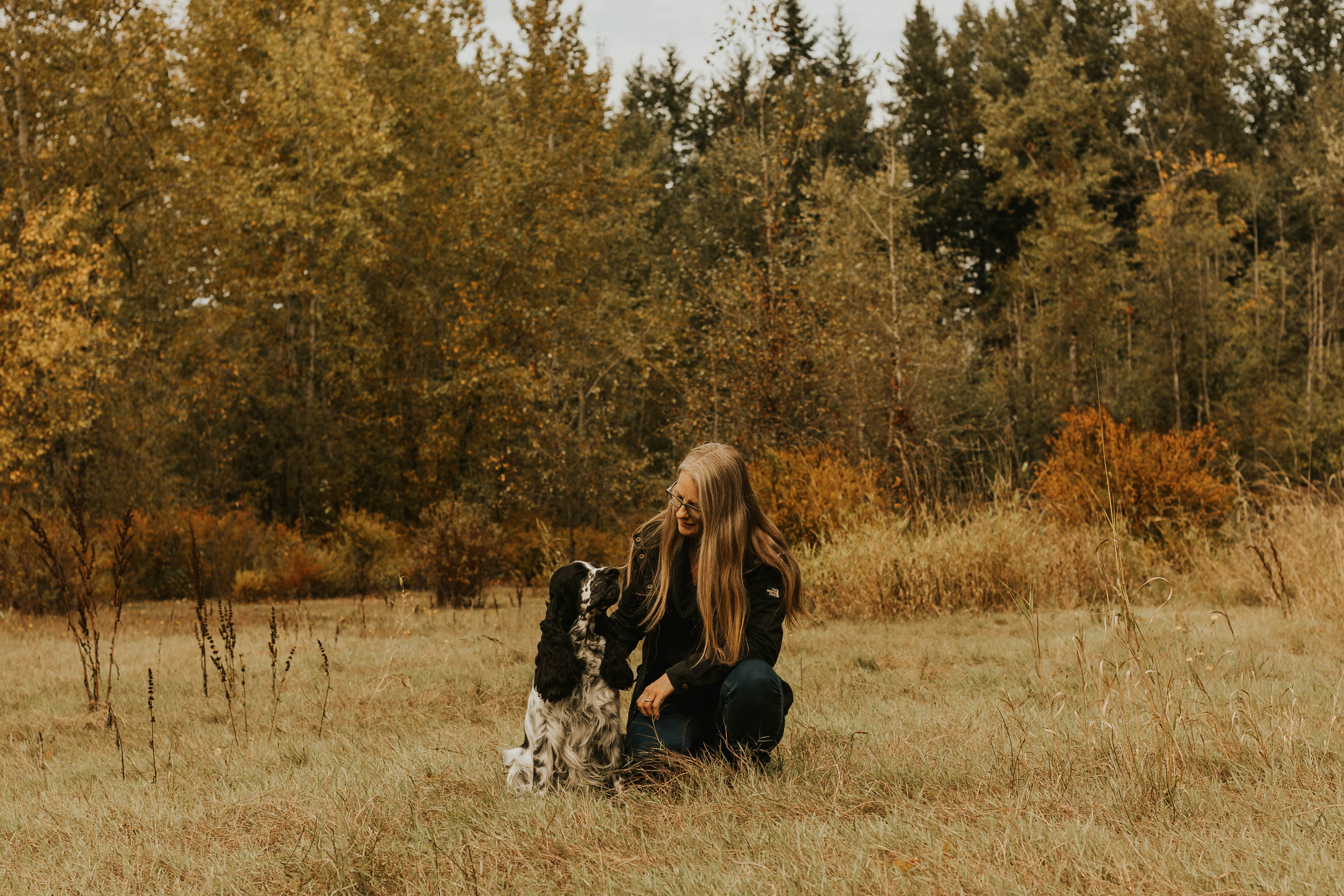
Looking for a reputable dog breeder in Canada? Start with the breed’s fit for your life, then compare each breeder’s health documentation, puppy-raising practices, contract and ongoing support. Ask questions before you commit to a puppy or send a deposit.
Use our Canadian dog breeder directory to explore programs by breed, province and territory, then use the checklist below to guide your conversations.
Your Breeder Shortlist Checklist
- Understand the breed’s exercise, grooming, training and companionship needs.
- Ask why the breeder chose the pairing and what they hope to produce.
- Request the parents’ breed-relevant health results and an explanation of them.
- Discuss where the puppies grow up and how they are introduced to everyday experiences.
- Read the contract and deposit terms before paying.
- Confirm how puppies are matched with families and what happens if plans change.
- Ask what support and assist/return arrangements apply throughout the dog’s life.
Bringing home a puppy is one of the most important decisions your family will make over the next 10–15 years. The breeder you choose can significantly influence your dog's health, temperament, and the support you'll receive throughout your dog's life.
Finding a puppy should never be about finding the first available litter. It should be about finding a breeder whose values, planning, and commitment align with your own.
This guide will help you understand how to identify a responsible breeder, what questions to ask, and which red flags should make you walk away.
Why Choosing the Right Breeder Matters
Responsible breeders are not simply producing puppies.
They are preserving and improving their breed through careful planning, health testing, temperament evaluation, and lifelong responsibility for every puppy they bring into the world.
The difference between a registered breeder and a responsible breeder is significant.
Registration with organizations such as the:
Canadian Kennel Club (CKC)
American Kennel Club (AKC)
United Kennel Club (UKC)
Fédération Cynologique Internationale (FCI) registries
Canadian Breed Clubs and Working Registries
does not automatically make someone an ethical breeder.
Membership in many registries can be as simple as paying annual dues and agreeing to follow organizational rules. While registration and club involvement can be positive indicators, they should never be the sole basis for determining whether a breeder is responsible.
A responsible breeder demonstrates ethical practices through their actions, transparency, planning, and lifelong commitment to their dogs.
Understanding Purebred Registration in Canada
Under Canada's Animal Pedigree Act, only dogs eligible through recognized breed associations may legally be represented as "purebred."
If purchasing a purebred puppy, buyers should expect proper registration paperwork from the applicable registry.
However, registration papers alone should never be viewed as proof of ethical breeding.
Papers tell you what a dog is.
Responsible breeding practices tell you how that dog was produced.
Step 1: Research the Breed First
Before searching for breeders, spend time understanding the breed itself.
Unsure which breed is right for you? Use our comprehensive Find Your Perfect Breed
Our breed matcher helps you consider how a breed’s needs fit your household, activity level and daily routine.
Ask yourself:
What is the energy level?
What health concerns are common?
Is grooming extensive?
Is this breed suitable for my family and lifestyle?
What type of training and enrichment will this breed require?
Many dogs are surrendered not because they are "bad dogs," but because they were simply the wrong fit for their families.
The right breeder will help determine whether their breed is truly suitable for your lifestyle, even if that means recommending another breed entirely.
Step 2: Understand That Responsible Breeders Plan Litters Carefully
One of the biggest misconceptions in the dog world is that availability equals quality.
In reality, many responsible breeders only breed when they already have carefully screened and committed homes waiting.
Many maintain waiting lists ranging from several months to several years.
This is not because they are "difficult" or trying to create exclusivity.
Responsible breeding is incredibly expensive and time intensive. Ethical breeders carefully evaluate:
pedigrees
health compatibility
temperament compatibility
breeding goals
long-term placement plans
Breeding simply to produce puppies and then scrambling to find homes afterward is generally not considered ideal breeding practice.
Careful planning and intentional placement are often hallmarks of responsible breeding programs.
Step 3: Health Testing Is Non-Negotiable
A puppy being "vet checked" does not mean the parents were properly health tested.
Health testing is performed before breeding ever occurs and screens for hereditary conditions that could affect future generations.
Depending on the breed, testing may include:
Orthopedic Testing
OFA Hips and Elbows
PennHIP
OVC Certification
Eye Testing
Annual CAER examinations by veterinary ophthalmologists.
Cardiac Testing
Particularly important in breeds predisposed to heart disease.
DNA Testing
Breed-specific genetic testing may include:
PRA
DM
MDR1
vWD
HUU
CEA
EIC
A responsible breeder should willingly provide documentation and explain why each test matters.
Transparency should never feel difficult.
Step 4: Visit the Breeder or Schedule a Virtual Tour
Seeing where puppies are raised can tell you a great deal.
Look for:
Clean environments
Safe, enriched spaces
Exposure to normal household sounds
Age-appropriate socialization
Evidence of early neurological stimulation programs
Puppies that appear curious and confident
The sire may live elsewhere, which is completely normal and often desirable when selecting breeding stock.
However, breeders should still be able to provide information regarding the sire's temperament, pedigree, and health testing.
Step 5: Understand Deposits and Waitlists
Many responsible breeders require deposits.
A non-refundable deposit alone is not a red flag.
Ethical breeders often use deposits to ensure buyers are serious and committed after extensive screening and planning.
What matters is understanding:
When deposits become non-refundable.
Whether deposits can transfer to another litter.
What happens if the breeder decides a puppy is not the right fit.
What occurs if a litter does not produce the expected number of puppies.
Every breeder operates differently.
The goal is not to judge one specific practice, but rather to evaluate the breeder's overall ethics, transparency, and professionalism to determine whether you are comfortable making that commitment.
Step 6: Read the Contract Carefully
Our guide to puppy contracts can help you prepare questions for the breeder before committing.
A responsible breeder's contract protects everyone involved—but most importantly, it protects the dog.
You should expect to see:
Health Guarantees
Read what the agreement covers, its time limits, any exclusions and what steps are required if a concern arises.
Registration Information
Including limited registration or non-breeding terms where applicable.
Spay/Neuter Expectations
If applicable.
Microchip and Veterinary Records
Confirm which identification and veterinary records you will receive at pickup and how ownership details are updated.
Assist/Return Clause
This is one of the most important elements of responsible breeding.
Responsible breeders do not wash their hands of puppies after they leave.
They remain responsible for every puppy they produce.
Whether the dog is 10 months old or 10 years old, ethical breeders will always assist in rehoming or take their dog back.
No dog they produce should ever enter a shelter or rescue system because the owner can no longer keep them.
This lifelong responsibility is one of the clearest distinctions between responsible breeders and simply registered breeders.
Step 7: Expect to Be Interviewed
Responsible breeders are often selective.
They may ask about:
Your work schedule
Previous dog experience
Children in the home
Other pets
Fencing
Activity level
Training plans
Veterinary references
A breeder who carefully evaluates homes is demonstrating the same level of commitment they put into producing the litter.
Step 8: Ongoing Support Matters
The relationship should not end when you pick up your puppy.
Responsible breeders often provide:
Training guidance
Feeding support
Grooming advice
Breed-specific education
Owner communities
Lifetime mentorship
Many become lifelong friends and resources for their puppy families.
Red Flags That Should Make You Pause
🚩 No verifiable health testing.
🚩 Refuses to answer questions.
🚩 No contract.
🚩 No return policy.
🚩 Unable or unwilling to discuss hereditary concerns.
🚩 Multiple litters constantly available with little screening.
🚩 Pressures buyers into immediate decisions.
🚩 Will not discuss where puppies are raised.
🚩 No interest in learning about your home.
🚩 Selling "papers separately."
🚩 No willingness to take responsibility for offspring if circumstances change.
🚩 Breeding solely because "the dog should have one litter" or because puppies are profitable.
Questions Every Puppy Buyer Should Ask
About the Breeder
Why did you choose this pairing?
What are your goals for this breeding?
About Health
What health testing has been completed?
May I see documentation?
About Temperament
What are the parents like?
How are puppies socialized?
About Support
What support do you offer after placement?
About Contracts
May I review your contract before placing a deposit?
About Responsibility
What happens if I can no longer keep my dog?
The answer should always involve assistance and responsibility.
A Note on Price
Well-bred puppies are expensive to produce.
Health testing, prenatal care, emergency veterinary costs, registrations, enrichment programs, nutrition, and ongoing support all contribute significantly to cost.
A higher price does not automatically indicate quality.
Likewise, a lower price does not automatically indicate poor breeding.
Instead, buyers should evaluate:
transparency
planning
ethics
health testing
support
lifelong responsibility
Value should always be considered alongside the breeder's practices.
Where to Start Your Search
Start with:
Paw Privileges. Every Breeder's testing and contracts are verified.
National breed clubs
Provincial breed clubs
Responsible breeder directories
Dog shows and performance events
Referrals from trusted owners and veterinarians
At Paw Privileges, we believe responsible breeding goes beyond registration.
Our breeder community emphasizes:
✔ Health testing
✔ Transparency
✔ Lifetime support
✔ Careful placement practices
✔ Assist/Return commitments
✔ Education and ongoing mentorship
Because breeding responsibly means accepting lifelong responsibility for every puppy produced.
The Bottom Line
A responsible breeder is not defined by a registry certificate.
They are defined by their actions.
They carefully plan litters.
They health test.
They screen homes.
They remain available for support.
Most importantly, they accept lifelong responsibility for the dogs they bring into this world.
Finding the right breeder may require patience.
It may involve waiting months—or even years—for the right litter.
But that patience can mean the difference between simply buying a puppy and welcoming a carefully planned companion into your family.
The best breeders are not just producing puppies.
They are preserving breeds, supporting families, and ensuring every dog they produce has a safe and loving home for life.
Find Dog Breeders by Province or Territory
Ready to build a shortlist? Explore local profiles through the regional directories below. Listings vary by region; speak directly with each breeder about their program, location and current plans.
- Ontario dog breeders
- British Columbia dog breeders
- Alberta dog breeders
- Saskatchewan dog breeders
- Manitoba dog breeders
- Quebec dog breeders
- New Brunswick dog breeders
- Nova Scotia dog breeders
- Prince Edward Island dog breeders
- Newfoundland and Labrador dog breeders
- Yukon dog breeders
- Northwest Territories dog breeders
- Nunavut dog breeders
If you are open to travelling, compare programs in the national breeder directory and discuss pickup arrangements before making a commitment.
Frequently Asked Questions
How do I start looking for a reputable dog breeder in Canada?
Research the breed first, make a shortlist of programs and contact the breeders directly. Ask about the parents, health documentation, puppy raising, contracts and lifelong support. Use the same questions for each program so you can compare their answers.
Does a breeder having puppies available mean something is wrong?
No. Availability alone does not establish the quality of a breeder. Ask about the litter, the placement process and why a puppy is available. Evaluate the breeder’s practices and transparency rather than treating either immediate availability or a long waitlist as proof of quality.
Is a non-refundable deposit automatically a red flag?
No. Before paying, ask for the terms in writing, including when a deposit becomes non-refundable, whether it can transfer and what happens if the planned litter or placement does not go ahead. Take time to understand the agreement and resolve unanswered questions.
Should I choose a breeder only because they live nearby?
Location matters for visits and pickup, but it is one part of the decision. Compare breed fit, communication, documentation and support. A nearby breeder should still answer the same questions you would ask a program farther away.
Keep Reading: Choosing a Responsible Breeder
Start Your Next Adventure
Love discovering dog-friendly places like this?
Join Paw Rewards and use our Pawtastic Vacation Planner to plan your next trip, discover dog-friendly destinations across Canada, track your adventures, compete in challenges, and earn Treats for every walk and every memory you create together.
Redeem your Treats for rewards including Puppy Packs, PAWS Magazine subscriptions, Big Country Raw products, Seasonal Boxes, and exclusive offers from our amazing partners.
Because every adventure deserves a reward.
Keep exploring
Everything you need — from finding your next dog to caring for the one already at your feet.
Comments (0)
Loading comments…