
October 19, 2026 · Paw Privileges
Traveling With Dogs: The Complete Canadian Travel Guide
A complete Canadian travel planning resource covering dog comfort, vehicle travel, documentation, accommodations, packing and practical itineraries.
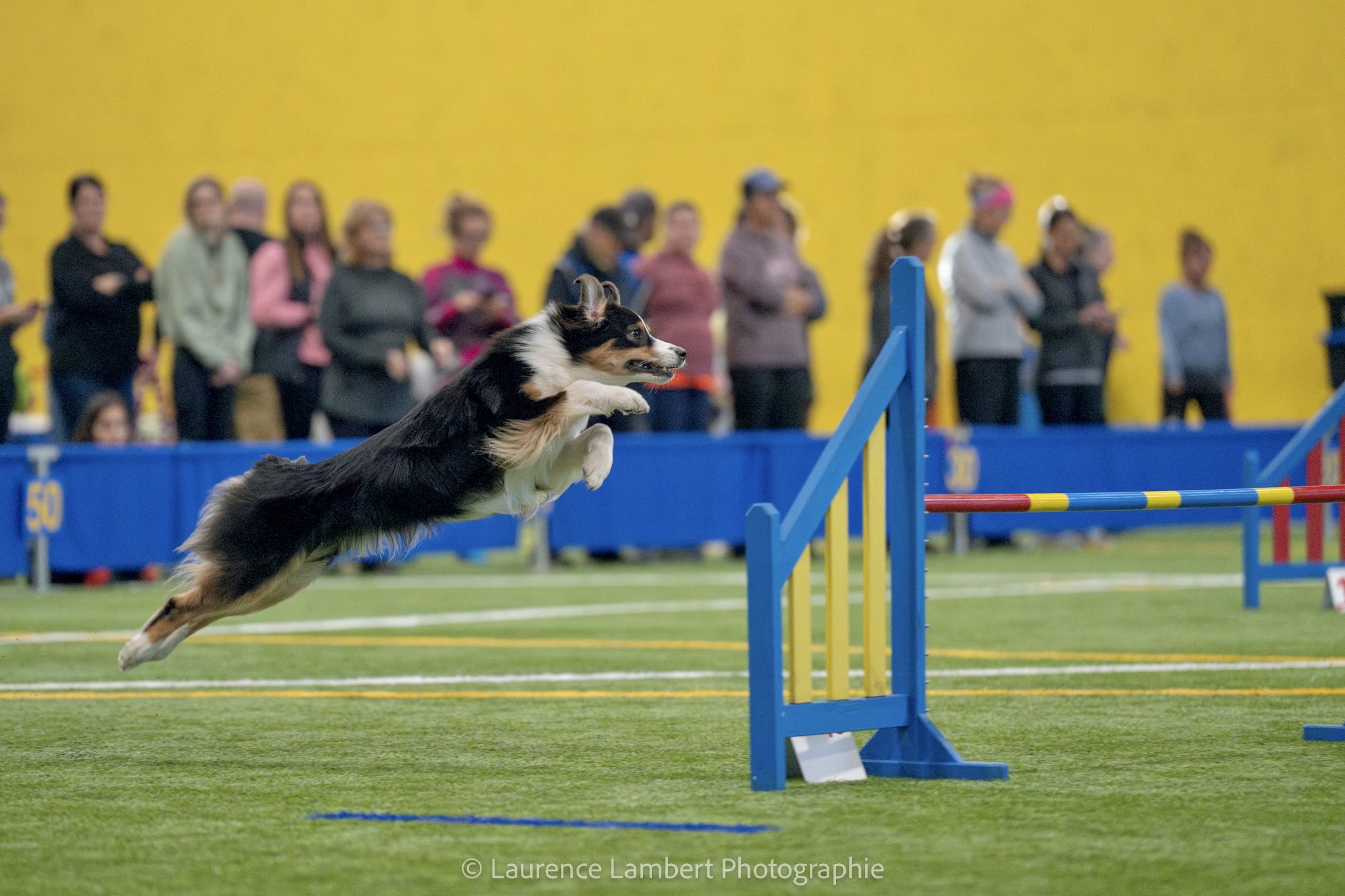
Travelling with a dog across Canada can mean a weekend on Lake Erie, a drive through the Rockies or a long awaited visit to family. The memorable part is exploring together. The planning behind a successful trip is much less glamorous: checking policies, knowing your dog's limits and having a realistic backup plan.
This Canadian travel guide helps owners decide whether a trip fits their individual dog, choose transport and accommodation, prepare documentation, and plan safe, enjoyable activities. It is a starting point for companion dogs travelling with their owners, not a substitute for destination import rules or advice from your veterinarian.
Start with your dog, not the destination
Before collecting hotel recommendations, think about how your dog handles car rides, unfamiliar sounds, other animals, elevators, crowds and time away from home. A dog that settles beautifully at home may find a busy downtown hotel exhausting. A dog that loves hiking may still need recovery time after a long drive.
Try a short local outing before committing to a multi day itinerary. Observe whether your dog eats, rests, uses the bathroom and recovers normally afterwards. Consider staying closer to home or arranging trusted care for a dog whose travel stress is substantial.
- Match activities to the individual dog's age, conditioning, mobility and personality.
- Budget quiet time rather than scheduling attractions continuously.
- Identify a trusted caregiver and a cancellation plan if travelling would not be fair to the dog.
Choose your travel style
Road trips let you control departure times and comfort breaks. Air travel may be necessary for some destinations but introduces carrier restrictions, limited pet space and destination documentation. Trains, ferries and intercity buses have their own pet policies, which can differ by route and season.
For a road trip, work backwards from the longest driving day. Decide how much of that day the dog can comfortably tolerate, allow time for meaningful breaks and look for pet friendly overnight stops before finalizing distances.
- For short breaks: consider a single base with flexible day trips.
- For longer trips: build a route with realistic stops and rest days.
- For flights: confirm pet acceptance on every operated segment before paying for nonrefundable travel.
Vehicle safety is part of the itinerary
A loose dog can distract a driver or be injured during sudden braking. Choose a properly sized and independently evaluated restraint or secured travel crate suitable for your vehicle and your dog. Read the manufacturer's actual installation instructions rather than assuming any product labelled for cars offers equivalent crash protection.
Keep the dog away from airbag deployment areas. Never travel with a dog in an unprotected truck bed and never leave a dog unattended in a parked car. Conditions inside a vehicle can become hazardous faster than they feel outdoors. Canada's travel guidance emphasizes safe, ventilated, appropriately sized carriers.
- Acclimate the dog to its restraint well before departure.
- Keep water and leash accessible without opening every bag.
- Plan stops where the dog can exit the vehicle safely and be securely leashed.
Documents, identification and border checks
For trips within Canada, keep identification, current veterinary records and medication instructions easy to access. Verify provincial, municipal and park rules where you intend to stay. Crossing an international border is a separate task with entry conditions determined by the destination, travel history and purpose of travel.
For a visit to the United States, follow current CDC dog entry rules and check the dog's six month travel history. For returning to Canada, use the CFIA import requirements for your exact situation. A hotel confirmation or veterinarian's general travel letter does not replace required border paperwork.
- Confirm microchip details and contact numbers.
- Keep digital and offline copies of required documents.
- Check relevant government pages again shortly before leaving; rules may change.
Book accommodation by its actual dog policy
A listing marked pet friendly may still limit the number of dogs, size, breeds, rooms or access to shared spaces. Ask whether the stated fee is per dog, per room, per night or per stay, and whether taxes apply. Confirm whether dogs may be left unattended and what the accommodation expects if a dog barks.
Ask how a late arrival or emergency veterinary visit is handled. For cottages and campgrounds, investigate fencing, wildlife exposure, water access and any restrictions on off leash activity. Save written confirmation of the policy and the hotel's acceptance of your particular dogs.
- Maximum dogs and size or breed restrictions.
- All cleaning charges, deposits and pet fees.
- Areas where dogs are prohibited and unattended pet policies.
- Nearby appropriate walking areas and after hours veterinary access.
Build each travel day around care routines
Keep mealtimes and water access as familiar as practical. Pack the dog's regular food with a buffer in case travel is delayed, including a reliable way to keep any products at the manufacturer's recommended temperature. Avoid switching the dog's diet casually on the road.
Plan rest stops around your dog rather than only fuel needs. Some dogs prefer several brief sniffing breaks; others benefit from a longer walk once they have arrived and settled. Introduce a new environment slowly and keep a quiet sleeping space.
- Regular food, bowls and clean water.
- Leash, harness, identification and waste bags.
- Medication supplied with written veterinary instructions.
- A familiar sleeping mat and calming routine, if helpful to the dog.
Weather, parks and local restrictions
Summer heat, winter wind and slippery ground can turn an otherwise easy stop into an inappropriate outing. Check forecasts for the destination and the route, not only your departure city. In national and provincial parks, trail access, leash requirements, wildlife closures and seasonal notices can differ.
Never assume that a beach, patio, conservation area or trail welcomes dogs simply because photographs online show them there. Check the official operator or municipality's rules, then have another suitable stop ready in case conditions or policies change.
- Review forecasts, surface conditions and wildfire or smoke alerts where relevant.
- Check park and beach dog access at the exact location.
- Avoid wildlife interactions and follow posted leash rules.
Travel with more than one dog
Two dogs can be comfortable together at home and still need separate rest spaces during travel. Confirm the property explicitly accepts your number of dogs and that your car has safe restraint space for each. Prepare separate feeding instructions and discuss any individual sensitivities.
At destinations, give each dog an opportunity for a calm walk and quiet time. The itinerary should reflect the needs of the dog with the lowest tolerance for long days rather than forcing every dog into the same schedule.
Preparing for an emergency without expecting one
Carry the contact information for your regular clinic, an emergency veterinary hospital near your destination and someone at home who can help if your plans change. Know where your dog's identification and veterinary records are stored, and make a practical plan for transport if the dog becomes unwell.
Pack basic first aid supplies for temporary care while seeking veterinary assistance. Do not rely on human medicines, internet dosing suggestions or improvised treatment. Talk with your veterinary team ahead of travel about your dog's individual needs.
Keep the trip useful after you return
Record what your dog enjoyed, where the rules were clear and what you would change next time. A quiet trail, a helpful hotel and a comfortable route are more useful than collecting stops simply to fill a schedule.
Paw Rewards supports recording eligible adventures, training and memories. The app is 100% free with no premium tier; owners need an active free account to earn and redeem Treats. Guests can explore the public Vacation Planner without earning Treats.
Related Paw Rewards resources
Use these existing Canadian resources alongside this guide:
- How to plan a dog friendly road trip across Canada
- Complete dog vacation packing list
- Finding truly dog friendly accommodations
- Plan different stops on the way home
With the free Pawtastic Vacation Planner, you can plan as a guest. An active free Paw Rewards app account is required to earn or redeem Treats; Paw Rewards has no premium tier.
Frequently asked questions
How long can a dog travel in a car?
There is no single safe number of hours for every dog. Build in regular water, bathroom, exercise and rest breaks, and shorten travel days for dogs with special needs or low travel tolerance.
Should I book a pet friendly hotel before planning the route?
Yes. Pet policies, room availability and fees can determine which towns make realistic overnight stops. Confirm your specific dog's acceptance in writing.
Do I need documents to drive across Canada with my dog?
Carry identification and veterinary records, and check destination-specific rules. International border crossings require separate official documentation.
Is the Pawtastic Vacation Planner free?
Yes. The public planner can be used as a guest. Paw Rewards itself is also free, although earning and redeeming Treats requires an active free app account.
Official sources and further reading
Rules and services can change. Check primary sources again before booking or departure.
Editorial review date: October 15, 2026. This article is travel planning information, not individualized veterinary or legal advice.
Plan your next Canadian dog-friendly adventure
Start with our complete Canadian dog-friendly road-trip planning guide, then explore Toronto-to-Muskoka stops, the Maritime road-trip guide or our Vancouver Island road trip. Check current carrier, border, park and venue policies before booking or departure.
Use the free Pawtastic Vacation Planner to plan as a guest. An active Paw Rewards app account is required to earn or redeem Treats; planning or visiting destinations alone does not automatically earn Treats.

Turn this inspiration into a Pawtastic vacation.
Build a free trip itinerary for your dogs, with activities and travel stops. Continue as Guest—no app or account required to plan. Create a free account only if you want to save your plan. Confirm each venue’s current dog policy before visiting.
An active Paw Rewards app account is required to earn and redeem Treats. Guest planning does not earn Treats.


Keep exploring
More published guides for travelling with your dog.
Related Articles
- No related guides to display.
- Browse all articles →
Comments (0)
Loading comments…