
August 18, 2026 · PAW Privileges Editorial
Top 10 Vancouver Island Road-Trip Stops with Your Dog
Vancouver Island with a dog — Victoria to Tofino and beyond, the best dog-friendly stops.
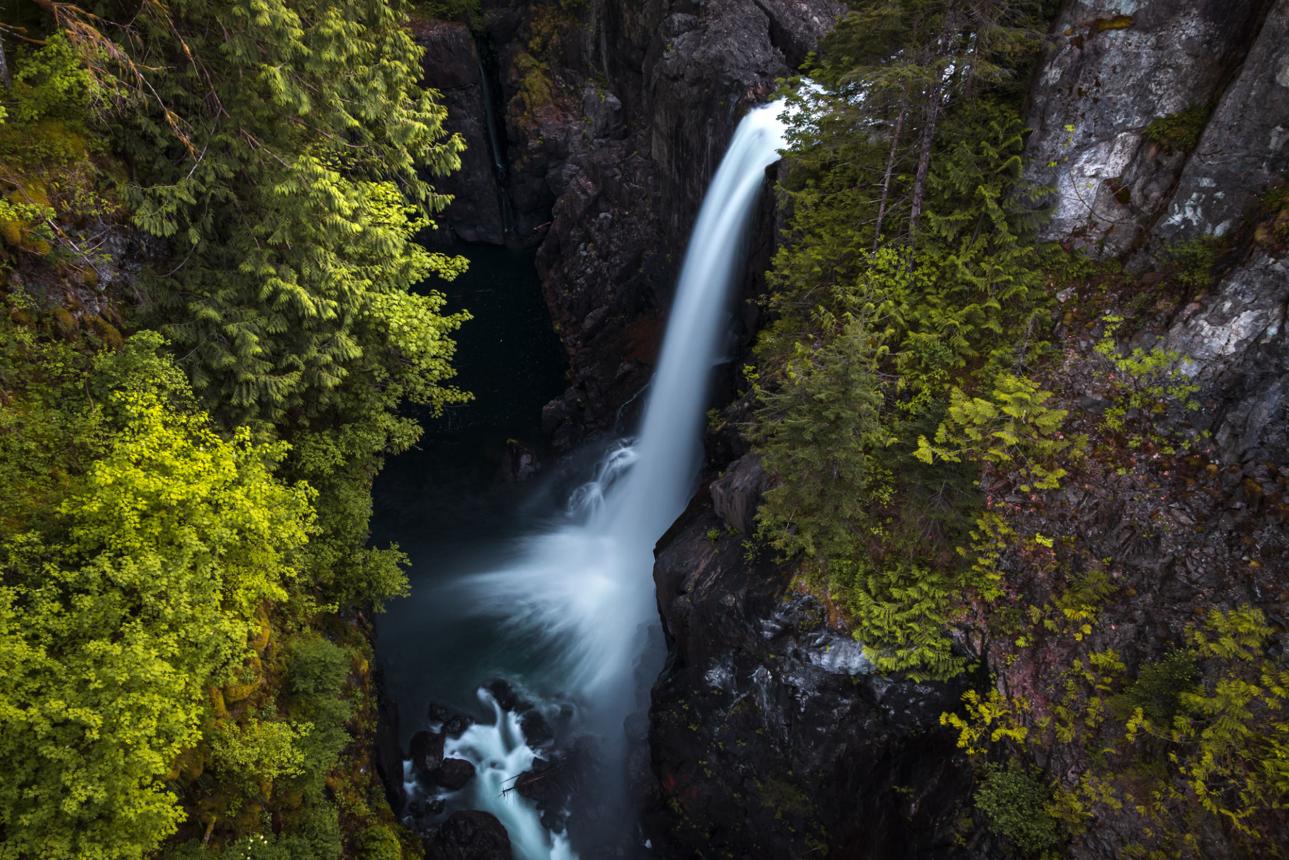
Top 10 Vancouver Island Road Trip Stops With Your Dog
There are road trips where the destination matters.
And then there is Vancouver Island.
Here, the road itself seems determined to distract you.
One minute you are driving beneath enormous Douglas firs. The next, the forest opens onto the Pacific. There are waterfalls hidden beside highways, beaches that seem to stretch forever, fishing towns perched beside wild coastline and rainforest trails where everything is covered in moss.
And travelling Vancouver Island with a dog makes you experience it differently.
You stop more.
You walk more.
You notice the beach instead of simply driving past it.
You find the forest trail that was not originally on the itinerary.
And somewhere between Victoria and the wild west coast, you realize the dog has become very good at recognizing the sound of the turn signal that means:
We're stopping here.
This itinerary travels from Victoria north through Vancouver Island before crossing toward Tofino and Ucluelet, combining easy walks, waterfalls, beaches, old growth forest and some genuinely spectacular places where dogs are welcome.
There is one important change for 2026 that dog owners need to know before heading toward Pacific Rim National Park Reserve. Increased wolf activity has resulted in significant new dog restrictions in parts of the Long Beach Unit. We have incorporated those restrictions into this guide rather than recommending places that are currently off limits to dogs.
Pack the leash.
Bring the rain jacket.
Bring another rain jacket.
And put the dog towel somewhere accessible.
We're going to Vancouver Island.
1. Dallas Road Waterfront, Victoria


5
Best for: Starting the road trip with ocean air and four paws moving
Before heading north from Victoria, start beside the water.
Dallas Road follows the southern edge of the city with kilometres of waterfront, walking paths and enormous views across the Strait of Juan de Fuca toward Washington's Olympic Mountains.
On a clear morning, it is spectacular.
On a windy, grey, properly West Coast morning?
It might be even better.
This is a particularly good first stop because nobody needs to accomplish anything.
You have a lot of Vancouver Island ahead.
Walk.
Let your dog stretch after the ferry or drive into Victoria.
Watch freighters moving through the strait.
Stop at Clover Point.
And breathe.
Victoria has designated off leash areas along portions of the Dallas Road waterfront, but the boundaries matter. This is a busy shared recreation corridor with cyclists, runners, other dogs, roads and ecologically sensitive shoreline nearby.
Pay attention to signs and leash up whenever required.
If your dog is not comfortable around unfamiliar dogs, there is absolutely nothing wrong with remaining leashed even inside an off leash area.
Dog friendly travel is not a competition to see how often the leash can come off.
The goal is for your dog to enjoy the trip.
Dallas Road also gives you a wonderful introduction to Vancouver Island because the Pacific is immediately present.
This is not a city separated from the landscape around it.
Victoria sits right in the middle of it.
PAW Tip: Wind off the Strait can make Dallas Road considerably cooler than downtown Victoria. Keep a layer accessible, particularly during spring and fall.
Why we love it: Within minutes of leaving downtown Victoria, you and your dog can be walking beside the Pacific with mountains across the water.
2. Goldstream Provincial Park


7
Best for: Your first proper Vancouver Island forest walk
Leave Victoria behind and head north.
It will not take long before Vancouver Island reminds you that this is rainforest country.
Goldstream Provincial Park sits only about 16 kilometres from Victoria, but once you are beneath the enormous trees, the city feels considerably farther away.
This is where the scale of Vancouver Island's forests begins to sink in.
Douglas firs tower above the trail. Ferns cover the forest floor. Moss appears on almost everything willing to stand still long enough.
And depending on the route you choose, there are waterfalls, rivers and enough trail options to turn Goldstream into either a short stop or a much bigger adventure.
Dogs are permitted in Goldstream Provincial Park but must generally remain leashed and under control. Seasonal wildlife activity can also affect access and how you should move through the park.
That matters particularly during the famous salmon run.
Goldstream River becomes an important spawning area each fall, drawing salmon, eagles and other wildlife. This is not the time to let a dog investigate the riverbank or disturb animals feeding and spawning.
Keep them close.
Give wildlife space.
And enjoy one of the extraordinary natural events that makes Vancouver Island special.
Even outside salmon season, Goldstream is worth stopping for the forest alone.
This is the moment the road trip begins smelling like cedar, wet earth and adventure.
PAW Tip: Goldstream can be muddy even when Victoria feels relatively dry. Keep a towel in the car and check your dog for ticks after forest walks.
Why we love it: It gives you a genuine old forest experience remarkably close to Victoria.
3. Rathtrevor Beach Provincial Park, Parksville


6
Best for: An enormous low tide walk when the rules allow it
Rathtrevor is one of those beaches that changes completely depending on when you arrive.
At high tide, the Strait of Georgia reaches toward the forested shoreline.
At low tide, the ocean seems to disappear.
The exposed sand stretches an extraordinary distance from shore, creating one of Vancouver Island's most recognizable coastal landscapes.
For dog owners, however, there is an important catch.
Dogs do not have unrestricted access to the entire beach.
BC Parks prohibits pets from the sandy day use area along the park's east shore throughout the year. Leashed dogs are permitted on the north portion of the beach beside the campground from May 1 through February 14.
That is exactly the sort of detail worth knowing before you arrive with a dog and a beach day planned.
When access is permitted, this is a beautiful place for a coastal walk.
The beach is broad, the views extend across the Strait of Georgia and low tide reveals an entirely different world beneath your feet.
During spring, Rathtrevor is also an important location for migrating Brant geese and the annual herring spawn.
Give birds enormous space.
A dog chasing a flock for ten seconds may look harmless from our perspective, but migrating birds depend on these feeding areas to replenish energy.
Adventure responsibly.
The places welcoming our dogs deserve that in return.
PAW Tip: Check both the tide table and current dog access before arriving. Rathtrevor is dramatically different at low tide, but seasonal wildlife and beach restrictions matter.
Why we love it: When the tide retreats, the landscape feels almost impossibly large.
Rathtrevor Beach Provincial Park
4. Coombs & the Old Country Market


5
Best for: The wonderfully weird road trip stop everyone remembers
There are majestic forests.
There are wild beaches.
There are mountains.
And then there are goats standing on a roof.
Welcome to Coombs.
The Old Country Market has become one of Vancouver Island's most recognizable roadside attractions largely because actual goats spend the warmer months grazing on its grass covered roof.
It sounds ridiculous.
It is ridiculous.
Go anyway.
Coombs is a useful road trip stop because it breaks up all the hiking and scenery with something completely different. The surrounding market area includes food, shops and outdoor spaces where you can stretch your legs before continuing west.
The dog question requires a little common sense here.
This is a busy commercial destination with food service, crowds, children and, obviously, livestock overhead.
Do not assume your dog can enter every building or business.
One person can explore indoors while another remains outside with the dog, or simply enjoy the outdoor area and move on.
And if your dog thinks a goat on a roof is the most exciting thing that has ever happened?
Create some distance.
The goat does not need to participate in your dog's vacation.
Coombs is also perfectly positioned for what comes next.
Highway 4 begins heading west toward Port Alberni, and some of Vancouver Island's most beautiful forest is waiting only minutes away.
PAW Tip: Never leave your dog in the vehicle while you shop, even for a few minutes. Vancouver Island summer temperatures can make parked cars dangerous remarkably quickly.
Why we love it: Every good road trip needs at least one stop that makes absolutely no sense until you have been there.
5. Cathedral Grove, MacMillan Provincial Park


5
Best for: Standing beneath trees that make everyone feel very small
Then the road disappears into the forest.
Cathedral Grove is part of MacMillan Provincial Park and protects a remarkable stand of old growth Douglas fir on either side of Highway 4.
Some of these trees are enormous.
Not "that's a big tree" enormous.
Stop talking and look up enormous.
The largest Douglas firs in the grove are hundreds of years old, and walking beneath them provides one of the most accessible old growth forest experiences on Vancouver Island.
Short trails wind through the grove, making this an excellent stop for dogs who enjoy walking but do not need another major hike.
Keep your dog leashed and under control.
Old growth forests are complex ecosystems, and staying on designated trails protects fragile roots, vegetation and habitat.
There is another practical consideration here:
Parking.
Cathedral Grove sits directly beside Highway 4 and can become extremely busy. Do not make an unsafe roadside manoeuvre because you saw an open space on the opposite side of the highway.
If parking is chaotic, continue on and try again later.
The trees have been waiting hundreds of years.
They can wait another hour.
And when you do walk into the grove, put the phone down eventually.
Photographs struggle to communicate scale here.
Stand beside one of the giant Douglas firs with your dog at your feet and look up.
That is the photograph you will actually remember.
PAW Tip: Stay on the established trails and keep the leash short enough that your dog cannot wander around the roots of old growth trees.
Why we love it: Vancouver Island has many beautiful forests. Cathedral Grove makes you understand just how extraordinary an old forest can be.
6. Little Qualicum Falls Provincial Park


5
Best for: Waterfalls, canyon trails and one very worthwhile detour
You could drive directly from Cathedral Grove toward Port Alberni.
Or you could turn around and add a waterfall.
We vote waterfall.
Little Qualicum Falls Provincial Park protects a beautiful stretch of the Little Qualicum River where water rushes through a rocky gorge beneath towering forest.
Trails connect viewpoints around the upper and lower falls, giving you the kind of Vancouver Island walk that feels much more remote than it actually is.
The combination is hard to beat.
Forest.
River.
Waterfalls.
Dog.
This is also a good place to slow the pace of the road trip.
You have already seen beaches, giant trees and goats standing on a building.
Nobody needs to rush.
Walk the loop.
Stop at the viewpoints.
Listen to the river.
And keep your dog safely away from the water.
Fast moving rivers and waterfalls deserve considerable respect. Wet rocks are slippery, currents are powerful and a dog that normally loves water does not understand the difference between a lake and a river accelerating toward a gorge.
Use a fixed leash.
Stay behind barriers.
There is plenty to see from somewhere safe.
Then return to Highway 4.
The road toward the west coast is about to become one of the best parts of the entire trip.
PAW Tip: Do not allow your dog to approach fast moving water for a drink. Carry fresh water and use the designated trails and viewpoints.
Why we love it: This is classic Vancouver Island: forest so green it barely looks real and water moving through it everywhere.
7. Long Beach, Pacific Rim National Park Reserve


6
Best for: The wild Pacific experience, with an important 2026 warning
Eventually Highway 4 reaches the west coast.
And suddenly there is the Pacific.
Long Beach stretches between Tofino and Ucluelet inside Pacific Rim National Park Reserve, backed by temperate rainforest and exposed to the full power of the open ocean.
It is one of Canada's great coastal landscapes.
But 2026 is not a normal year for dogs here, and this needs to be taken seriously.
Parks Canada currently has a wolf warning in effect throughout the Long Beach Unit following an increase in dog and wolf encounters since 2024, including a serious incident resulting in the loss of a dog. Parks Canada is actively encouraging visitors to consider leaving dogs at home when visiting this area.
There are also significant dog prohibitions currently in effect.
Dogs are prohibited from the coastal areas and trails between Green Point Rocks and Willowbrae Trail, including Combers Beach, Wickaninnish Beach, Florencia Bay, South Beach and several associated trails and parking areas.
Dogs on leash are currently permitted on Long Beach north of Green Point Rocks, along with several other designated locations.
Where dogs are permitted, they must remain close and leashed at all times, including on the beach and in the water.
This is not optional.
It is not the place to decide your dog's recall is good enough.
Wolves can view dogs as competitors or prey.
If you visit with your dog, check the current Parks Canada restrictions the same day, remain in permitted areas and keep your dog immediately beside you.
The beach is still magnificent.
But responsible dog travel sometimes means accepting that wildlife gets priority.
PAW Tip: Current dog restrictions in Pacific Rim can change quickly. Check Parks Canada's live dog restrictions immediately before visiting, not several weeks before your trip.
Why we love it: Few places make you feel the power of Canada's Pacific coast quite like Long Beach, but in 2026 this is an adventure that requires extra responsibility.
Current Pacific Rim dog restrictions
8. Tofino & Chesterman Beach


6
Best for: Living the Tofino dream without leaving your dog behind
Tofino has a way of convincing people they should quit their jobs and become surfers.
Do not make any major financial decisions until after vacation.
But absolutely stay awhile.
This little community at the end of the road has become synonymous with wild Pacific beaches, surfing, rainforest and storm watching.
And when travelling with a dog, one of the best ways to experience it is simply to slow down.
Walk.
Find coffee.
Explore town.
Head toward the beach.
Chesterman Beach sits outside Pacific Rim National Park Reserve and stretches along Tofino's coastline with Frank Island sitting offshore.
It is beautiful in sunshine.
It is dramatic in rain.
And during a winter storm, it can make you understand why people travel here specifically to watch bad weather.
Dogs are commonly seen on Tofino's beaches, but local rules and wildlife concerns still apply. Keep control of your dog, respect posted leash requirements and never allow chasing of shorebirds or other wildlife.
The wolf situation around the broader Tofino and Pacific Rim region also deserves continued attention. Wolves travel well beyond national park boundaries, so a municipal beach should not be treated as a wildlife free zone.
Keep your dog close.
Do not leave food outside.
And never allow them to disappear into the forest edge.
Then enjoy Tofino for what it is.
A place where being wet, sandy and slightly windswept is basically the dress code.
PAW Tip: Check local wildlife advisories before heading onto any Tofino beach with your dog. West Coast wolves are highly mobile and park boundaries mean nothing to wildlife.
Why we love it: Tofino is one of those rare destinations where bad weather can somehow make the trip better.
9. Wild Pacific Trail, Ucluelet


6
Best for: One of the finest coastal walks on Vancouver Island
If Tofino gets the fame, Ucluelet quietly gets on with being spectacular.
The Wild Pacific Trail follows sections of Ucluelet's rugged outer coastline through temperate rainforest, rocky headlands and viewpoints where waves collide with the shore below.
This is not a beach walk.
It is something entirely different.
The trail places you above the ocean, weaving between enormous trees and repeatedly opening onto views of the Pacific.
On a calm summer morning, it is beautiful.
During storm season, it becomes theatre.
The Lighthouse Loop around Amphitrite Point is one of the best known sections and provides an excellent introduction if you do not have time to explore the larger trail system.
Dogs can join you on the Wild Pacific Trail, but keep them leashed and controlled.
There are steep coastal areas, wildlife and other trail users, and the forest here is not somewhere you want a dog disappearing after a smell.
This is also one of those trails where you should resist the urge to get closer to the edge for a photograph.
Pacific waves are powerful.
Rocky shorelines can be unpredictable.
And your dog does not care whether the photograph has three more metres of ocean in the background.
Walk the trail.
Stop at the viewpoints.
Listen to the waves.
This is what you drove across the Island for.
PAW Tip: A secure harness is an excellent choice on exposed coastal trails. Keep dogs well back from cliff edges and never climb barriers for a photograph.
Why we love it: Ucluelet delivers the wild Pacific without requiring you to set foot on a beach.
10. Elk Falls Provincial Park, Campbell River


6
Best for: Proving Vancouver Island still has another adventure waiting
If your road trip continues north rather than returning directly to Victoria, head toward Campbell River.
And make one more stop.
Elk Falls Provincial Park is home to a dramatic waterfall, forest trails and one of the Island's most recognizable suspension bridges.
The Elk Falls Suspension Bridge stretches across the canyon with views toward the waterfall and river below.
For humans who love heights, it is fantastic.
For dogs?
That depends entirely on the dog.
Some dogs will cross a suspension bridge without giving it a second thought.
Others will put four paws onto the structure, feel it move and immediately file a formal complaint.
Do not force them.
There are forest trails and viewpoints to enjoy without turning a bridge crossing into an ordeal.
The park itself provides a beautiful final reminder of how varied Vancouver Island can be.
You started beside the ocean in Victoria.
You walked beaches.
You stood beneath giant trees.
You crossed the Island.
You reached the wild Pacific.
And now you are back beneath enormous forest beside another waterfall.
That is Vancouver Island.
Every time you think the adventure is finished, another trail appears.
PAW Tip: Let your dog decide whether a suspension bridge is comfortable. If they show hesitation or fear, turn around. The goal is adventuring together, not completing every attraction.
Why we love it: Forest, waterfall and suspension bridge make Elk Falls a pretty spectacular final chapter.
A Very Important 2026 Note About Pacific Rim National Park Reserve
This deserves repeating because generic dog travel guides may currently be outdated.
As of August 2026, Parks Canada has active dog prohibitions and a wolf warning in the Long Beach Unit of Pacific Rim National Park Reserve. The restrictions were expanded following increased dog and wolf encounters.
Dogs are currently prohibited from a substantial portion of the southern Long Beach Unit, including Combers Beach, Wickaninnish Beach, Florencia Bay, South Beach and associated trails.
Dogs are currently permitted on leash in several areas including Long Beach north of Green Point Rocks, Rainforest Trails A and B, Radar Hill, Grice Bay, Kennedy Lake Swim Beach and permitted sections of the ʔapsčiik t̓ašii pathway.
Where dogs are allowed, they must remain close and leashed at all times, including in the water.
Parks Canada warns that wolves may perceive dogs as competitors or prey and recommends considering leaving dogs at home when visiting the Long Beach Unit while the current warning remains in effect.
This is exactly why PAW Privileges checks the current rules rather than simply repeating somebody else's "dog friendly Vancouver Island" list.
Wildlife comes first.
Check current Pacific Rim dog restrictions before you go
How Long Do You Need for a Vancouver Island Road Trip With Your Dog?
Could you see Vancouver Island in three days?
Technically.
But you would mostly see your windshield.
4 to 5 Days
Choose one region.
Victoria, Parksville and the central Island make a great shorter trip, or drive directly toward Tofino and Ucluelet and concentrate on the west coast.
7 Days
Much better.
Spend time in Victoria, travel north through Parksville and Coombs, cross toward Tofino and Ucluelet and give yourself enough time to actually walk rather than simply photograph each destination.
10 to 14 Days
Now you can explore.
Add Campbell River.
Spend multiple nights in Tofino or Ucluelet.
Choose slower roads.
Take a morning off.
And stop treating every day like something that needs to be optimized.
Dogs are excellent road trip companions partly because they force us to travel differently.
They need walks.
They need breaks.
They need time to sniff the place we would otherwise have spent seven minutes photographing.
Listen to them.
What to Pack for Vancouver Island With Your Dog
Vancouver Island weather has a sense of humour.
Pack accordingly.
Bring a secure harness, fixed leash, long line for appropriate areas, collapsible water bowl, plenty of fresh water, dog food, medication, poop bags, towels, paw wipes, tick remover and a dog first aid kit.
Then add rain gear.
For both of you.
Keep another towel in the car.
If you are heading toward Tofino or Ucluelet, make that two.
Wildlife awareness is particularly important on Vancouver Island.
Bears, cougars and wolves inhabit the Island. Never allow your dog to chase wildlife, disappear into forest or investigate an animal carcass. Store food securely and follow all local wildlife advisories.
In Pacific Rim National Park Reserve specifically, Parks Canada advises visitors encountering a bear, cougar or wolf to pick up small children and pets, stay together as a group and give the animal an escape route.
And always check current trail and park conditions before heading out.
Wildfire.
Storms.
Wildlife activity.
Trail damage.
Seasonal closures.
Vancouver Island is wild enough that plans occasionally need to change.
That is part of travelling here.
Island Time Is Better With Four Paws
Vancouver Island is not a place that rewards rushing.
The best moments have a habit of happening between the things you planned.
The beach you stopped at because the tide was out.
The enormous tree you could not drive past.
The waterfall you heard before you saw it.
The little town where lunch somehow became the afternoon.
The dog asleep in the back seat because today's walk was apparently excellent.
That is the road trip.
Start beside the ocean in Victoria.
Walk beneath ancient trees.
Find the waterfall.
Watch goats standing on a roof because apparently that is something we do here.
Cross the Island.
Reach the Pacific.
Get wet.
Get sandy.
Keep going north.
And when the dog recognizes the turn signal and stands up because another adventure is coming?
Pull over.
There is probably something worth seeing.
More paws. More places. More adventures.
That is Vancouver Island done right.
Keep Reading: Dog-Friendly Canada

Make this your next Paw Rewards adventure.
Discover dog-friendly places, track your walks, save memories, and earn Treats along the way.


Keep exploring
Everything you need — from finding your next dog to caring for the one already at your feet.
Comments (0)
Loading comments…