
September 24, 2026 · Angelique
Is It Ageing, Pain or a New Illness? Asking Better Questions
Slowing down, broken sleep and behaviour changes deserve more than an age label. Learn what to report, when to call, and how to follow up when the first answer remains uncertain.
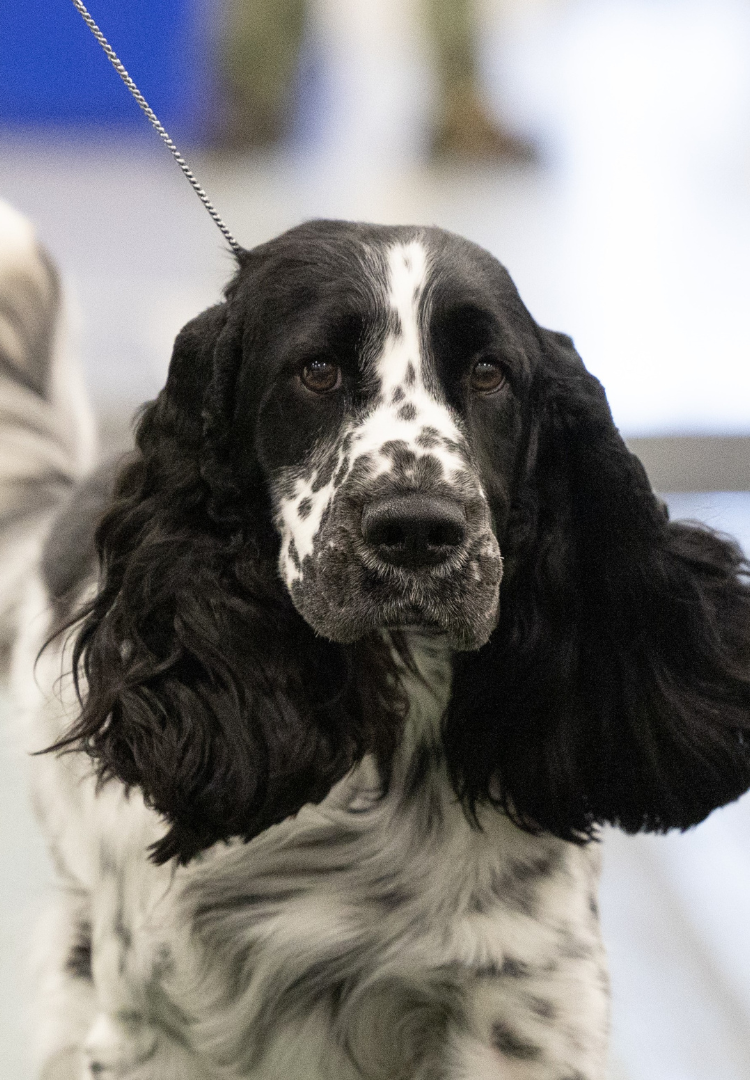
“He’s getting older.”
Sometimes that is the first explanation we reach for when a dog starts hanging back on walks, sleeping differently or becoming less comfortable with things they used to tolerate.
It may also be the explanation that stops us asking another question.
Your dog is older than they were last year. That much is certain. It does not tell you why they are waking at night, hesitating before standing or walking away from a meal.
You do not need to diagnose your dog. You do need a plan for a change that is affecting their life.
The AAHA senior-care guidelines challenge the assumption that physical and behavioural decline should simply be accepted because a dog is older. Assessment and appropriate care still matter.
This is particularly relevant during the mature adult and senior years, but a younger dog’s change deserves attention too. Age provides context. It does not answer the whole question.
Start with urgency, before trying to explain the cause
Seek emergency veterinary care for difficulty breathing, collapse, sudden inability to stand or use a limb, severe pain, major trauma, unsuccessful attempts to urinate, or a swollen abdomen with repeated unproductive retching. A seizure lasting five minutes or longer, or repeated seizures, also needs emergency care. Suspected poisoning requires immediate veterinary advice.
Contact your clinic promptly about repeated vomiting or diarrhoea, especially with blood, weakness or refusal to eat. New eye pain or sudden eye changes also need prompt advice. This is not an exhaustive list; if you are unsure, call.
Cornell explains these emergency warning signs. Tell the clinic what is happening NOW. Do not wait to complete a diary, obtain a better video or see whether the next meal changes things.
Sudden and gradual changes both deserve a clear history
Separate the time you first noticed something from the time you think it began.
“I noticed it yesterday” is different from “I watched him walk normally yesterday morning, then he suddenly could not manage the steps after lunch.” Both are useful statements. Neither requires you to fill in details you did not see.
For a gradual change, describe the direction. Is the dog taking longer to get up? Avoiding more activities? Having an occasional difficult night, or struggling most nights now?
A slow onset does not make a problem harmless. AAHA’s pain-assessment guidance explains that owners may recognise obvious acute pain more readily than the quieter behavioural changes associated with chronic pain.
A sudden worsening on top of a longstanding problem matters too. Do not let “she has always been a bit stiff” bury the fact that today she cannot do something she managed yesterday.
Call with the information you have. Let the veterinary team advise on urgency.
Replace “slowing down” with something someone else can picture
“Slowing down” can describe several different experiences. A dog may walk more slowly, need more pauses, avoid leaving the house, struggle after resting or lose interest in an activity. Those details point the conversation in different directions.
Describe the action, the setting and the change:
- “He stops halfway along the route and stays behind me.”
- “She still comes to the door, but no longer steps into the car.”
- “He gets up normally in the morning but has difficulty after resting following a walk.”
- “She walks around the bedroom repeatedly instead of settling on her bed.”
These are examples of descriptions, not diagnostic clues you should interpret alone.
Include what you have changed in response. If you stopped using the stairs, your dog may no longer appear to have trouble with stairs because they no longer encounter them. Tell the veterinarian that you removed the challenge. Do not put it back just to demonstrate the problem.
Read movement, sleep and behaviour together
A dog who is less comfortable may become less tolerant of touch or company. A dog who is not settling at night may seem unusually quiet the following day. Keep those observations together instead of making three unrelated complaints.
Cornell’s pain guidance includes difficulty moving, changes in sleep, withdrawal, irritability and reactions to handling among possible signs. None of these identifies the cause by itself.
“He growled when the puppy climbed over him, and recently he has also struggled to stand after sleeping” is more informative than “He is becoming grumpy.”
Give the dog room. Prevent the puppy, visitor or child from repeatedly approaching while you arrange advice. Do not keep touching a sensitive area to see whether the response happens again.
And do not discard the concern because your dog still has bright moments. A happy greeting or interest in a favourite activity can be part of the picture without explaining the difficult parts.
Night waking and accidents are not automatic evidence of dementia
Canine cognitive dysfunction is real. So are other conditions that can produce similar changes.
AAHA’s cognitive-dysfunction guidance describes altered sleep, disorientation, house-soiling and changes in interaction. It also explains the need to assess other possible causes, including pain and organ disease.
Tell your veterinarian what happens during the night. Is your dog asking to go outside? Passing urine? Moving between beds? Appearing lost in a familiar room? These are different observations, even if every version leaves you exhausted.
Increased drinking and urination need their own attention. Cornell describes several possible medical causes and recommends veterinary assessment. Keep water available; restricting it to prevent accidents can be dangerous.
Do not punish the accident or decide the dog has forgotten their training. Clean up, make access outside easier where practical, and report the pattern.
Put medicines, supplements and routine changes on the same timeline
The important list includes everything your dog receives: prescriptions, injections, parasite products, supplements, herbal products and non-prescription preparations. Record the product, strength, prescribed directions and what was actually given.
Include start dates, dose changes and missed or uncertain doses. Photograph the labels if that is easier. “One tablet” means very little without the product and strength.
Some medicines can change what you observe. For example, VCA Canada lists sleepiness and incoordination as possible gabapentin effects. Its prednisone/prednisolone information describes increased drinking, urination and appetite, among other possible effects.
That does not prove a medicine caused a particular change. It gives the prescriber something important to assess. Report unexpected changes promptly, and contact the clinic immediately if you suspect an adverse reaction or overdose.
Do not alter or abruptly stop a prescribed course on your own. Some medicines require a planned reduction; follow the prescriber’s specific instructions, including any directions to stop and call if particular adverse signs occur.
Also note a new food, different exercise, visitors, boarding or a change in the household schedule. “It started after…” belongs in the history. It is not the same as “It was caused by…”
A change timeline you can bring to the appointment
Use one page if possible. The aim is to show the sequence, not to reconstruct every hour of your dog’s life. This is an organising tool, not a medical test.
| Timeline entry | What to include |
|---|---|
| Previous ordinary routine | What the dog usually did before this concern. Use a concrete comparison. |
| First observation | Date or honest estimate, who saw it and what happened. Mark the onset as unknown if necessary. |
| Pattern since then | Frequency, duration where known, improving or worsening, and circumstances in which it occurs. |
| Other changes | Sleep, appetite, drinking, toileting, movement or interaction changes noticed around the same time. |
| Medicines and routine | Relevant starts, stops directed by the vet, dose changes, products and household events, with dates. |
| Care already received | Clinic contacts, examination or test dates, advice and treatments actually given. |
| What happened next | Which specific activities improved, remained difficult or worsened; any new concern. |
Keep original dates when you update it. If you cannot remember whether the night waking began before the new medicine, write that down rather than choosing an order that seems likely.
In a multi-person household, identify the observer. “My partner saw it twice; I have not seen it” is more accurate than smoothing different accounts into one confident story.
For a broader everyday record, use Know Your Dog’s Normal. Bring the most relevant part of that record with your timeline.
Use video to fill a gap, without provoking the problem
A dog may behave differently in the clinic, and an intermittent problem may not happen during the appointment. A useful home recording can show something the veterinarian otherwise misses.
Record ordinary activity only when safe. Include the whole dog when filming movement, keep the original speed, and note what happened immediately beforehand. “Getting up after a nap” is useful context. A date and short filename make the clip easier to find.
Do not make your dog climb steps repeatedly, extend a walk until they struggle or tolerate handling they are trying to avoid. A description is enough if obtaining footage would be uncomfortable or unsafe.
Ask how the clinic wants to receive the recording. A clip sent to an unmonitored inbox is not an emergency call.
Ask what the examination and tests are trying to answer
A useful assessment connects your history with the physical examination and appropriate investigations.
AAHA’s guidance for an unwell senior pet emphasises interpreting clinical findings and test results together. It also recognises that older dogs may have several medical problems at once.
Ask which findings support the current explanation and which concerns remain unexplained. For each proposed test, ask what it could clarify and how the result would affect the plan.
A routine blood panel cannot answer every question about movement, oral pain or neurological function. Equally, an abnormal result needs interpretation in the context of your dog. Request an explanation of what has been found, what has become less likely and what has not yet been assessed.
You do not need to request every available test. You need to understand the reason for the next step.
Finding one problem does not automatically explain everything
If the veterinarian identifies a painful joint, that is important. It does not mean every other change should disappear from the conversation.
Keep the separate concerns visible. “The difficulty rising may fit that finding. Does it also explain the increased drinking, or does that need a separate assessment?” is a reasonable question.
The same applies after treatment begins. An improvement in one part of the day can be meaningful while another problem remains unresolved.
Report both. A simple “much better” may accidentally conceal the fact that your dog now walks more comfortably but still cannot settle at night. “No improvement” may conceal a small but useful change the clinician needs to understand.
You are not undermining the diagnosis by being precise. You are helping the care team see the whole dog.
If treatment starts before every question is answered
Your veterinarian may recommend symptom relief while investigations continue. AAHA’s pain guidelines recognise that managing obvious pain can help a patient even before its precise cause has been established.
Ask what the treatment is intended to achieve and when the response should be reviewed. Choose a few ordinary activities with your veterinarian: settling on a bed, getting up after rest or managing an appropriate walk.
Describe those activities consistently. Do not test improvement by adding a strenuous outing. If your dog becomes sleepier, report that separately from whether they appear more comfortable moving or resting.
An improvement is useful information. It is not permission to assume all concerns have been explained. If the expected improvement does not happen, contact the clinic at the agreed point, or sooner if your dog worsens. Do not increase a dose or combine medicines yourself.
A treatment plan should have a review point, not become an indefinite experiment at home.
Do not create your own pain-relief trial
Do not use a human pain medicine, another dog’s prescription or leftover medication without your veterinarian’s direction. The FDA explains why pain relievers intended for people can harm pets and why medicine combinations matter.
Ask for written safety information for anything prescribed. Know what effect is expected, what needs a call and what instructions apply if a dose is missed.
There are drug-specific stop instructions. For example, the FDA advises stopping a dog’s NSAID and calling the veterinarian immediately if a suspected side effect occurs. Warning signs can include vomiting, reduced appetite, black or bloody stool, or changes in drinking or behaviour. An NSAID is a nonsteroidal anti-inflammatory drug; ask your clinic whether your dog’s medicine belongs to that group.
Follow the instructions for the actual medicine your dog receives. Do not apply one drug’s instructions to every treatment.
“Monitor at home” needs a specific agreement
Before you leave or end the call, make sure you know what monitoring means for THIS dog and THIS concern.
Ask:
- What exactly should I observe, and how should I record it?
- What activities, food and medicines should continue while we wait?
- What change means call you sooner, and what means go to emergency?
- When should I report back if things remain the same?
- Who will contact me with results, and when should I call if I have not heard?
- Who handles questions outside normal hours?
Repeat the plan back in your own words. If instructions conflict with an existing prescription or another clinician’s advice, ask the clinic to reconcile them.
There is no universal waiting period that makes a vague change safe. The timing should reflect the dog, the findings and the possibility of deterioration.
When the first answer leaves uncertainty
Sometimes an examination and initial tests do not establish a clear cause. That can be frustrating, especially when you are the one watching a difficult night unfold.
Ask what the current working explanation is, how confident the veterinarian is and what would change their assessment. Then agree on the next decision point.
If the problem persists, give a focused update: “Since the appointment, the difficulty getting up has happened every morning. The appetite change is new. What should happen next?” Lead with any worsening or new sign.
A re-examination, additional investigation, a second opinion or a specialist referral may be appropriate depending on the situation. Ask which option is most likely to answer the unresolved question. Arrange transfer of records, test reports and images so the next clinician has the work already completed.
Uncertainty does not require pretending everything is fine. It requires a plan that can be revised as more information becomes available.
Two examples of a more useful conversation
These are illustrative situations, not real patients or suggested treatment plans.
The dog described as “just getting old”: An owner reports that their dog is quieter. With a little thought, they identify three changes: leaving the family room earlier, hesitating at the car and waking repeatedly at night. They contact the clinic with those specifics and ask for an assessment of comfort and other possible causes. The dog’s age stays in the history without becoming the explanation.
The dog described as “better on the medicine”: An owner reports easier movement after prescribed treatment, but the dog still asks to urinate repeatedly overnight. They contact the clinic and describe the improvement and remaining concern separately. They do not assume that a helpful treatment has resolved every issue.
In both situations, the useful change is in the quality of the information and the next question. The owner does not need to select a diagnosis.
Your circumstances belong in the plan too
Say if cost, travel, work, lifting your dog or giving medication will be difficult. Ask which steps are most important now, what each is expected to clarify and whether any can safely be staged.
If you cannot pursue a recommended investigation, ask what uncertainty remains and what care is still possible. A decision to limit testing should include a discussion of comfort and follow-up.
In rural areas, tell the clinic how long reaching help will take. If you need another person to transport your dog, make that arrangement before the situation becomes urgent.
Being honest about what you can manage gives the team a chance to build a workable plan.
You are allowed to keep asking
Your dog cannot explain the night you had together or the activity they quietly stopped doing. You can.
Bring the observation. Ask what it means. Make sure you understand the next step, and speak up when the picture changes.
Your voice is the only voice your dog has. “Something is different, and I want to understand it” is enough to begin.
For planning before concerns arise, read Middle Age Is Easy to Miss. For the practical realities of later life, read Watching Your Dog Grow Old, or return to Life With Your Dog.
Start Your Next Adventure
Love discovering dog-friendly places like this?
Join Paw Rewards and use our Pawtastic Vacation Planner to plan your next trip, discover dog-friendly destinations across Canada, track your adventures, compete in challenges, and earn Treats for every walk and every memory you create together.
Redeem your Treats for rewards including Puppy Packs, PAWS Magazine subscriptions, Big Country Raw products, Seasonal Boxes, and exclusive offers from our amazing partners.
Because every adventure deserves a reward.
Keep exploring
Everything you need — from finding your next dog to caring for the one already at your feet.
Comments (0)
Loading comments…