September 22, 2026 · Angelique
Life With Your Dog: A Practical Guide From Puppyhood to the Senior Years
Life with your dog changes as they grow. An honest guide to puppyhood, adolescence, training, dog parks, everyday life, and the realities of caring for a senior dog.
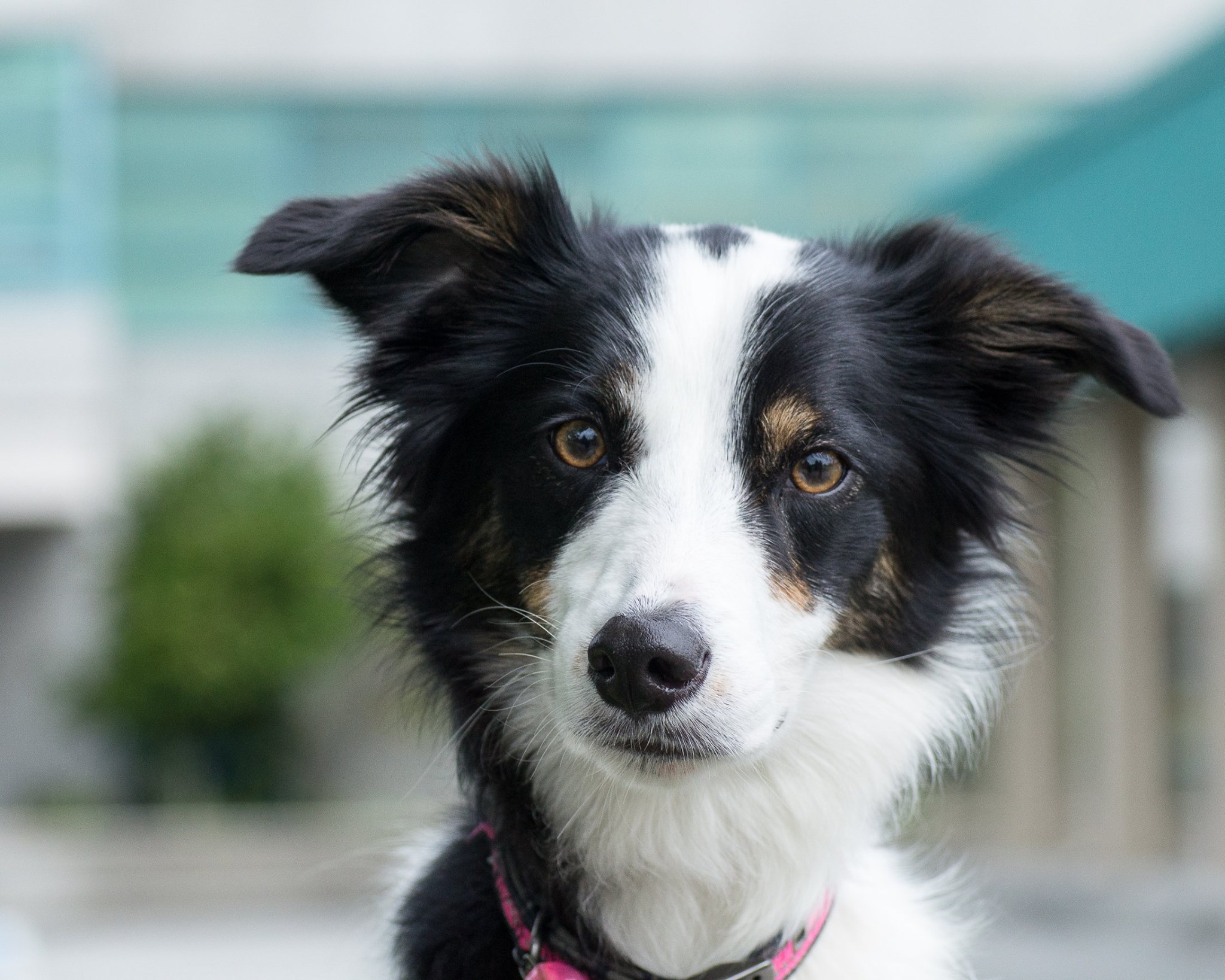
When a puppy goes home, there is so much to look forward to. The first walk. The ridiculous sleeping positions. The little personality that starts showing up almost immediately. You make plans for the life you are going to have together, and you hope you will get it right.
Then real life happens.
The puppy bites your hands when you are already tired. The adolescent who came running last week suddenly finds everything else more interesting. The dog you thought would love a busy park spends the whole visit trying to get away from another dog. Years later, the dog who always beat you upstairs starts waiting at the bottom.
Each of those moments asks something of us. We have to notice, understand what might be happening, and sometimes change what we are doing.
As a breeder, I believe our responsibility continues throughout a dog's life. That belief is a big part of why I built Paw Rewards, and it is what I want this section to reflect. Owners deserve useful information, room to ask questions, and support when things become difficult.
So we are going to talk about all of it. Growing up, learning together, enjoying ordinary days, and the parts of getting older that can be frightening and messy. Loving a dog means being willing to look at those parts too.
Your dog's needs will change throughout their life
A birthday can be a useful reminder to review your dog's care, but it does not tell the whole story. Breed, size, health, and individual development all matter. The AAHA canine life stage guidelines describe stages that overlap gradually, with senior status depending on a dog's expected lifespan. There is no single birthday that makes every dog old.
For everyday life, these are the changes I would pay attention to:
Stage | What deserves your attention |
|---|---|
Puppyhood | Safety, sleep, toileting, gentle handling, gradual independence, and experiences the puppy can cope with. |
Adolescence and young adulthood | Changing attention and confidence, safe outlets, consistent expectations, and practice outside familiar surroundings. |
Adulthood | A sustainable routine, meaningful activity, rest, preventive care, and a life suited to the individual dog. |
Middle age and the senior years | Changes in comfort, movement, senses, sleep, appetite, and behaviour, with adjustments that preserve enjoyment. |
Serious illness and end-of-life care | Comfort, realistic treatment decisions, daily care, quality of life, and support for the people doing the caring. |
Serious illness can happen at any age. A newly adopted adult or senior also needs time to learn a new home, even if they already know basic cues. Start with the dog in front of you and the relationship you actually have today.
Puppyhood: build a life your puppy can understand
Before worrying about how many things your puppy can do on cue, think about what an ordinary day feels like for them. Do they know where to rest? Are toilet opportunities frequent enough? Can they eat without being bothered? Does everyone in the house respond to them in roughly the same way?
Keep the first days manageable. Arrange a veterinary visit, bring the records from your breeder or rescue, and discuss vaccination, parasite prevention, feeding, and any concerns. Keep familiar food initially unless your veterinarian advises otherwise, and agree on a plan before making several changes at once. A growing puppy needs nutrition appropriate to growth; the word “natural” on its own does not establish that a diet meets those needs.
Give them a protected sleeping area and predictable opportunities to toilet, particularly after waking, eating, and playing. Reward toileting in the right place. If accidents keep happening, adjust the supervision and schedule. Sudden changes, straining, or signs of illness deserve a veterinary conversation.
Socialisation needs some thought
A puppy does not need to be passed around a room or greeted by every dog on the street to have a useful experience. Watching a bicycle from a comfortable distance, hearing household sounds at a manageable level, or meeting one calm visitor can be enough for that moment.
The early socialisation period matters, and so does infectious disease risk. Discuss suitable outings and puppy classes with your veterinarian rather than choosing between total isolation and unrestricted access to places used by unfamiliar dogs. The American Veterinary Society of Animal Behavior's puppy socialisation guidance supports carefully managed early experiences before the full vaccination series is complete, with appropriate health precautions.
Pay attention to how the puppy responds. If they are trying to escape, freezing, or becoming increasingly distressed, give them space and make the experience easier. Staying until they stop protesting does not tell you they have become comfortable.
The things you will be glad you practised
Gently introduce the everyday care your dog will need: looking at paws, brushing, brief mouth checks, wearing equipment, and getting comfortable with travel. Keep sessions small enough that you can finish successfully.
Practise brief, manageable periods apart while their needs are met. If separation causes panic, get qualified help rather than repeatedly leaving them to struggle. With biting, look at the whole situation: access to suitable chewing, the way people are playing, and whether the puppy needs a quieter environment and rest.
And give children clear boundaries. Adults need to supervise interactions and protect a puppy's space around food and sleep. Teaching the children how to live with the dog is part of raising the puppy.
Adolescence: keep helping the dog who is still growing up
This stage can catch people off guard. Your dog looks bigger and more capable, so you naturally expect more. Then a familiar walk becomes hard work, or a cue that seemed settled suddenly needs practice again.
Research led by Newcastle University found changes in responsiveness and owner-rated trainability during adolescence in the dogs studied. That does not give every dog an identical timetable, and it does not mean every behaviour problem will disappear with age. It does give owners a reason to consider development before assuming their dog is deliberately being difficult.
Keep your expectations clear and make the task achievable. If recall has become unreliable, return to secure spaces and appropriate lead management. If passing dogs is difficult, create more distance and work with a trainer on a plan. Rehearsing the same struggle on every walk is exhausting for both of you.
A working breed may need substantial opportunities to use its abilities. Those opportunities should still be appropriate to the dog's development and health, with room to settle afterwards. Constantly adding more frantic activity is not a complete plan for living with an energetic dog.
If a change is sudden, severe, or accompanied by discomfort, involve your veterinarian. Adolescence should never become a convenient explanation for pain or a dog who is becoming unsafe.
YouTube, online training, or a trainer: what will actually help?
I understand the appeal of learning online. You can watch after work, replay something you missed, and start without a long drive or a large commitment. A good explanation can make a task you were struggling with finally make sense.
But “online training” includes very different things. A short public video, a structured course, and a professional coaching you live through a camera do not offer the same level of support.
Option | What to consider |
|---|---|
YouTube or recorded lessons | Useful for demonstrations and revision. The instructor cannot see your timing, your setup, or how your dog responds. |
Live online coaching | Allows individual feedback in your home and can improve access to specialists. Camera position and the safety of the setup matter. |
A suitable group class | Provides supervised practice around distractions. Class size, space, screening, and the dog's ability to cope affect its value. |
Individual in-person instruction | Lets the trainer observe you together and adjust a practical setup. Ask whether sessions will address the situations you encounter day to day. |
The live environment is where the skill has to work
Picture teaching your dog to walk beside you in the kitchen. Now picture leaving your driveway when a neighbour's dog appears, a delivery vehicle stops, and someone opens a gate.
The second situation asks much more of both of you. Your dog is dealing with movement, smells, distance, excitement, and possibly worry. You have to notice those things while managing the lead and deciding what to do next.
That is why practice in real environments matters, whichever format you use to learn. Build from a setting your dog can manage to slightly more demanding ones. Change one part of the exercise at a time where possible: a little more distance, a longer duration, or a manageable distraction. If the dog cannot cope, adjust the setup.
A useful trainer can help you recognise the moment before things unravel, choose a workable distance, and practise a response. That observation and feedback can be difficult to provide through a generic video. Live online coaching may still be suitable, particularly when the behaviour happens at home or a specialist is far away.
Ask a prospective trainer how they assess a dog, what methods and equipment they use, what happens when the dog struggles, and how they will teach you to continue between sessions. Ask about relevant experience with your breed, your goals, and the particular behaviour. You should understand and be comfortable with the plan.
For bite risk, serious fear, or separation distress, seek individual professional assessment and involve your veterinarian as appropriate. A crowded class or busy park should not become an experiment to see what happens.
For manageable everyday practice, our five-minute dog training activities can help you choose one small thing to work on.
Dog parks: be honest about whether your dog enjoys them
For a dog who enjoys compatible playmates, a suitable off-leash park can offer exercise, exploration, and social time. The difficulty is that you cannot choose every dog, every owner, or every interaction that arrives through the gate.
The risks include injury, frightening encounters, conflict over toys or food, and exposure to infectious illness. Size, play style, health, and the ability to disengage matter. VCA's veterinary behaviour guidance on dog parks also stresses active supervision and recognising when a dog is not a good fit.
Watch what your own dog is doing. Repeatedly avoiding others, seeking an exit, or pursuing a dog who is trying to get away are reasons to interrupt and leave. Check the park before entering, follow its rules, keep unwell dogs away, and discuss health protection with your veterinarian.
I would put the decision this way: if nobody else had an opinion, would you choose this outing for your dog?
A walk with a familiar dog, a quieter route, or a securely enclosed space used on your own may suit them better. You are allowed to make that choice. The outing should have value for the dog who has to experience it.
Adulthood: make ordinary life worth enjoying
Once the obvious puppy work settles down, it is easy to run on habit. Same walk. Same game. Same expectation that the dog will fit around everything else.
A dependable routine is useful. It is also worth asking whether it still meets your dog's needs.
Some dogs enjoy a training challenge or a sport. Some want a long opportunity to sniff. Others are happiest with familiar company and a quieter outing. Build a week with appropriate movement, opportunities to use their brain and senses, comfortable rest, and time with you. Our dog enrichment article offers ideas you can adapt.
Think about the whole outing. A dog who can manage a trail may still struggle with a long car journey or an unfamiliar overnight stay. Here in Canada, the same route can also be a very different experience in summer heat, deep snow, or icy conditions. Check the conditions, access rules, footing, and opportunities to turn back before making the plan.
Keep the less exciting responsibilities in the picture
Review preventive care with your veterinary team, including teeth, weight and muscle condition, vaccination, and parasite risks relevant to where you live and travel. Discuss reproductive decisions individually rather than following a universal timetable from a social post.
Feeding deserves the same attention. Ask who formulated the diet, whether it is complete for your dog's life stage, and how it fits their health and activity. If you prepare meals yourself, get qualified veterinary nutrition support with the formulation. As Tufts' veterinary nutrition guidance explains, an appealing ingredient list cannot tell you everything about nutritional adequacy.
Keep identification details current and make a care plan for the days you are ill, delayed, or away. A trusted backup person needs to know the actual routine, including medication instructions and behaviours that require careful management.
When a baby arrives, work hours change, you move, or another animal joins the household, revisit the setup. A dog who managed the old routine may need help with the new one.
Middle age: start noticing before the changes become obvious
Living with a dog every day can make gradual changes surprisingly hard to see. You adjust a little at a time. You help them into the car. You take the shorter route. Eventually it can be difficult to remember when the change began.
Keep a simple record of what is normal for your dog. How readily do they get up? How do they manage familiar steps? What does their usual appetite look like? How do they sleep, toilet, and recover after an outing?
Occasional dated videos of ordinary movement can be useful for your veterinary team. AAHA's senior pain management guidance specifically notes that subtle behaviour changes may reflect pain and that home videos can help assessment.
Bring the details to an appointment. “She hesitates before getting into the car, and this started two weeks ago” is more useful than trying to decide for yourself whether she is simply getting old.
The senior years: we need to talk about what they can really look like
There can be enormous joy in an older dog. You know each other's habits. You have a shared history. A quiet afternoon together can mean more than an elaborate outing ever did.
There can also be nights when you barely sleep, accidents on the floor, a frightening new symptom, and the awful feeling of watching something change before you understand it. An owner deserves information for those days too.
Pain and mobility changes
A dog who becomes reluctant to rise, avoids a slippery floor, or reacts differently to touch needs assessment. Do not wait for crying before mentioning a change. Ask your veterinarian about pain, movement, and whether rehabilitation or changes to the home would help.
Secure runners on slippery routes, a suitable resting area, and a plan for steps or car access may make daily life easier. Ask for guidance with ramps and lifting support, particularly for a large dog. Home adjustments belong alongside an individual care plan.
Vestibular signs can be frightening to watch
A sudden head tilt, loss of balance, falling, or unusual flicking eye movements can look catastrophic. Nausea may make the dog unwilling to eat or move.
Contact a veterinarian promptly. “Old dog vestibular disease” is not a diagnosis you can make from a video. Problems affecting the inner ear, the balance nerve, or the brain can produce overlapping signs, and the examination helps determine what needs investigating.
As Davies Veterinary Specialists explains, recovery depends on the cause. Many dogs with idiopathic vestibular syndrome improve, but recovery varies and some retain a head tilt. Neither immediate hopelessness nor a promise of quick recovery is justified without assessment.
While arranging care, prevent access to stairs and other fall hazards. Ask the veterinary team how to manage movement, nausea, hydration, and toileting safely. The practical nursing can be substantial, even when the outlook is encouraging.
Cloudy eyes, cataracts, and loss of vision
A blue-grey haze in an older dog's eyes is not automatically a cataract. Age-related nuclear sclerosis and cataracts are different changes, and a veterinary examination is needed to tell them apart.
Cataracts can interfere with vision and may be associated with other problems, including diabetes. Eye inflammation and other complications also matter. Cornell's cataract guidance explains why assessment and, where appropriate, referral to a veterinary ophthalmologist are worthwhile.
If surgery is an option, ask about the whole commitment: suitability, likely benefit, costs, drops, repeat appointments, and help at home. If vision is reduced, keep routes predictable, block hazards, and give the dog time to learn changes. A painful-looking eye or sudden vision change needs prompt veterinary attention.
Cancer: the diagnosis is only the start of the conversation
A new lump, unexplained weight loss, a persistent change in appetite, or reduced stamina deserves veterinary attention. These changes have many possible causes; they do not establish cancer. Cornell lists them among the signs that warrant investigation.
If cancer is diagnosed, the useful questions become specific. What type is it? What do we know about its extent? What would treatment aim to achieve? What might life look like during treatment, and what would comfort-focused care involve?
Ask for realistic ranges and uncertainty, including likely complications, appointments, costs, and care at home. Your dog's other health conditions and ability to cope matter. Cornell's discussion of cancer treatment decisions considers those trade-offs and the role of palliative care.
An oncology consultation can help you understand the options; you can ask questions before deciding what to pursue. The decision deserves thoughtful veterinary guidance and an honest picture of your dog's daily life.
Confusion, disrupted sleep, and changes in behaviour
Pacing at night, seeming lost in familiar rooms, altered interactions, new anxiety, and house-soiling can occur with canine cognitive dysfunction. They can also reflect other conditions.
The AAHA guidance on cognitive dysfunction emphasises investigating other explanations, including pain and underlying disease. Write down what happens and when, and bring it to your veterinarian. A dog who can no longer reliably manage something they once understood needs help, not frustration directed at them.
Caring for an ageing dog changes your life too
The care can become very physical. Helping a heavy dog outside. Washing bedding again. Rearranging work around medication and appointments. Listening in the night because you are worried you will miss something.
You can love your dog completely and still be exhausted.
Tell your veterinary team what you can manage, including lifting, transport, finances, sleep, and time away from home. Ask them to demonstrate unfamiliar tasks and put the plan in writing. AAHA's guidance on caregiver burden recognises that a workable plan has to consider the family doing the caring.
Bring another person into the routine before you reach a point where you desperately need a break. Make sure they understand the instructions and know whom to call. If you are struggling emotionally, ask about pet loss and caregiver support. Grief can begin while your dog is still beside you.
Quality of life needs an honest, ongoing conversation
When illness progresses, ask your veterinarian to help you identify what comfort and enjoyment look like for your particular dog. Can they rest? Eat and drink adequately? Toilet without severe distress? Move comfortably enough for their needs? Do they still engage with things they value?
Keep short daily notes. Record difficult periods as well as good moments, and look at the pattern together. AAHA's end-of-life guidance discusses diaries and quality-of-life tools, while noting that many online scales have not been validated. A score can support a conversation; it cannot make the decision for you.
Ask about palliative care, hospice where available, signs that require urgent reassessment, and when euthanasia should be discussed. Know whom to call after hours. Have the conversation while there is time to understand your choices, rather than relying on being certain in the middle of a crisis.
There may never be a moment when you feel completely ready. You deserve compassionate guidance as you work out what your dog needs.
A useful place to start this week
You do not have to change everything today. Choose the question that is most relevant to the dog living with you now:
With a puppy: is the day manageable, and are we balancing useful experiences with safety and rest?
With an adolescent: where do we need easier practice, clearer management, or professional help?
With an adult: does our routine include things this dog actually enjoys?
With a dog approaching their senior years: what has changed, and have I described it clearly to the veterinary team?
With a senior or seriously ill dog: is the current care plan meeting their needs, and is it workable for the people caring for them?
Keep making room for the enjoyable parts too. Take the photo. Let the walk include time to investigate a favourite patch of grass. Notice the little things your dog does that would mean nothing to anyone else and everything to you.
Those ordinary moments are why Paw Rewards matters to me. I want owners to enjoy the lives they share with their dogs and have somewhere to turn as those lives change.
From the puppy learning where to sleep to the old dog who needs you to walk a little more slowly, your job keeps changing. Staying curious, asking for help, and paying attention to who they are now will serve you both.
Sources checked September 22, 2026. Health decisions should be made with your veterinary team using your dog's individual history and examination.
Start Your Next Adventure
Love discovering dog-friendly places like this?
Join Paw Rewards and use our Pawtastic Vacation Planner to plan your next trip, discover dog-friendly destinations across Canada, track your adventures, compete in challenges, and earn Treats for every walk and every memory you create together.
Redeem your Treats for rewards including Puppy Packs, PAWS Magazine subscriptions, Big Country Raw products, Seasonal Boxes, and exclusive offers from our amazing partners.
Because every adventure deserves a reward.
Keep exploring
Everything you need — from finding your next dog to caring for the one already at your feet.
Comments (0)
Loading comments…