
September 28, 2026 · Angelique
Getting a Dog in Canada: The Complete First-Time Dog Owner Checklist
Getting your first dog? Use this Canadian checklist to choose a suitable companion, check records, plan costs and care, and prepare for the day you bring them home.
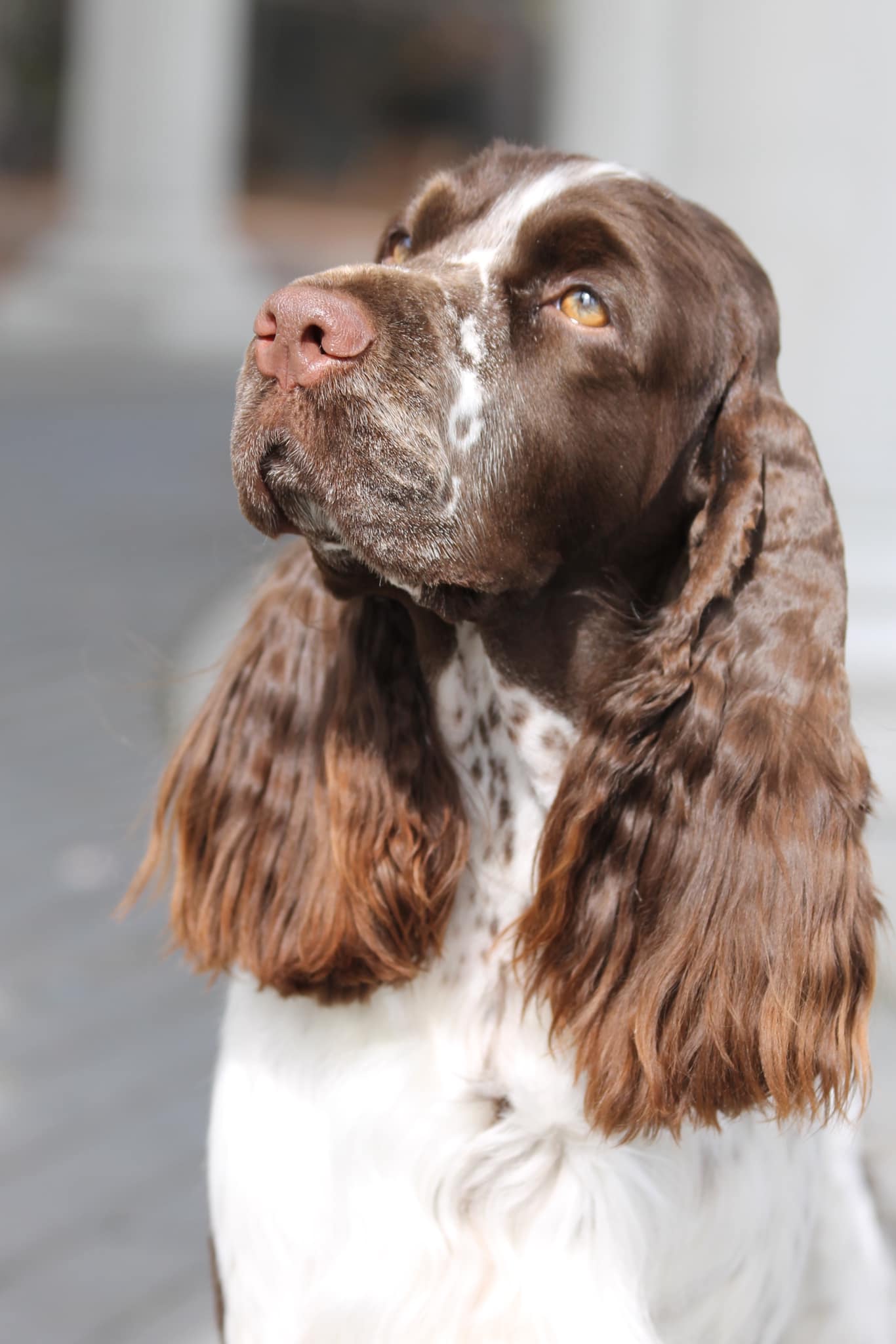
You have started looking at dogs, and suddenly every photograph feels like a possibility. You can picture the walks, the company and the dog waiting beside you at the end of the day. Then the practical questions arrive: which dog will suit your life, what do you need to buy, and how do you know you are choosing responsibly?
A useful first-time dog owner checklist begins before the shopping. It helps you make decisions about time, money, care and compatibility while you still have room to change the plan.
This Canadian checklist follows that order: before committing, before arrival and on pickup day. It applies to puppies and adult dogs, with adjustments for the individual coming home. For the wider picture, including everyday routines and later-life care, keep our Complete Guide to Dog Ownership in Canada alongside it.
Download your preparation and supply checklists
Keep your plan handy with our branded, four-page PDF: preparation, home setup, essential supplies and pickup-day checks. Print it or use the 55 fillable checkboxes on screen.
Download the preparation and supply checklists (PDF, 286 KB)
Your first-time dog owner checklist at a glance
Before choosing
Household agreement, housing checks, daily schedule and breed research.
Ready when: You can describe the life you can consistently offer a dog.
Before a deposit or commitment
Verify the source, review records and contract, estimate ongoing costs.
Ready when: Your important questions have clear answers in writing.
Before arrival
Veterinary appointment, food, identification, equipment and home setup.
Ready when: The essentials are ready and care responsibilities are assigned.
Before returning to work
Daytime support, toilet opportunities and backup care.
Ready when: A named person or service can help when you are unavailable.
On pickup day
Records, feeding instructions, secure transport and a quiet arrival.
Ready when: You know what to do next and whom to contact with concerns.
Use the numbered sections below to work through choosing your dog, checking the source, budgeting, arranging care, buying supplies and preparing for pickup day.
1. Work out which dog fits your actual life
Write down what a normal weekday looks like, including commuting, children's activities and the evenings when you are tired. Be honest about how much time is available for exercise, training, grooming and company. Then consider who can step in when you are sick or delayed.
Size is only one part of compatibility. Research adult energy, vocal behaviour, coat maintenance, likely social preferences and the work a breed was developed to do. An intelligent working dog may enjoy learning but still ask considerably more of a household than its owners expected.
Does everyone living with you agree to getting a dog?
Who will be the responsible adult for daily care and expenses?
Can you physically manage the dog's likely adult size and strength?
What needs to work around children, other animals, neighbours or shared spaces?
Would a puppy's frequent care needs fit your schedule, or should you explore a suitable adult?
An adult dog is not automatically an easier option. Ask about its experience in a home, comfort when alone, handling and training. A puppy offers the chance to build foundations from the beginning, but also requires substantial supervision and patience.
Use Breed Wise and the breed compatibility assessment to organize your research. Discuss the results with knowledgeable breeders or the organization caring for the individual dog. A quiz helps you ask better questions; it cannot promise a particular temperament.
Check the home before choosing the dog
Review applicable housing conditions, condominium rules and local animal bylaws. If a lease clause or restriction is unclear, check the rules for your province or territory rather than assuming a statement applies everywhere in Canada.
Consider the practical setup as well: access to a toilet area, stairs, elevator trips, secure entrances and where the dog can rest. A large property does not organize the dog's day for you, and a smaller home can still work with a suitable routine.
2. Verify the breeder or organization before committing
A good relationship begins with questions in both directions. A responsible source should want to understand your household, experience and expectations. You should have time to understand the dog, the records and the agreement.
When speaking with a breeder, ask about the purpose of the pairing, the parents' temperament and the health assessments relevant to that breed. Request the actual results and an explanation of what they mean. A puppy's routine veterinary examination is separate from screening the parents for inherited conditions.
How and where are the puppies raised?
How are puppies matched to homes?
Which health records and identification details come with the puppy?
If registration is represented, which registry is involved and how is the paperwork handled?
What does the contract say about deposits, health concerns, support and rehoming?
Who will answer questions after the puppy leaves?
Start with the Paw Rewards Responsible Breeders directory and explore Puppy Academy's responsible breeding resources. A directory introduction is the beginning of your own conversations and document review.
For an adult dog or adoption, ask what has actually been observed: in a foster home, in a kennel, around other dogs, with visitors and during time alone. Separate known history from assumptions. Discuss the support and return process before you need it.
Slow down if the answers do not add up
The Canadian Food Inspection Agency's buyer and adopter guidance recommends checking origin, veterinary records, transport and opportunities to verify where the dog is housed. Vague answers and missing documentation deserve further investigation.
Confirm who you are dealing with before sending money. Ask for written deposit terms and receipts, and clarify whether any travel or import arrangements are involved. A countdown, emotional appeal or promise that another buyer is waiting is not a reason to skip those steps.
3. Price the life, not just the purchase
Ask what is included in the purchase or adoption fee, then build your own budget. The first month's spending and the continuing monthly costs are different figures.
Get quotes in your community for veterinary care, training, grooming and any walking or boarding you expect to use. Those costs depend on your location and the services your particular dog requires.
Initial costs
Purchase or adoption, transport, essential equipment and appointments not already covered.
Food
The cost of the daily feeding quantity, plus appropriate training food and storage.
Routine care
Veterinary recommendations, grooming frequency and training support.
Care while away
Your actual weekly need for a walker, sitter or suitable daycare.
Annual and occasional costs
Applicable licences, equipment replacement and holiday care.
Unexpected costs
Emergency funds, any insurance premium and expenses insurance will not cover.
Write down what money is available immediately, not only what you hope to save later. If insurance is part of the plan, compare waiting periods, exclusions, deductibles, reimbursement and limits before relying on it. Ask how pre-existing signs are assessed and whether payment to the clinic may be due before reimbursement.
Petsecure's policy wording offers an example of the details to read in a Canadian contract. Petsecure is Paw Rewards’ National Sponsor; compare actual terms and suitability rather than treating sponsorship as a coverage recommendation.
If a breeder or organization offers an insurance trial, confirm whether activation is required, when protection starts and what happens when it ends.
4. Arrange veterinary care and daytime help
Call a veterinary clinic before pickup and confirm it is accepting patients. Explain the dog's age and background, ask when the initial appointment should take place and arrange transfer of available records. Check your contract for any examination deadline as well.
Save the clinic's number, its after-hours instructions and the location of emergency care. If you live some distance away, decide how you would transport the dog when your usual driver or vehicle is unavailable.
Ask the veterinary team about an individual plan for vaccination, parasite exposure, feeding and any concerns in the records. For puppies, discuss appropriate early outings and classes in your area rather than copying another owner's schedule.
Give each part of the day an owner
“We will all help” becomes much more useful when someone is named for breakfast, toilet breaks, evening exercise and overnight needs. Include the days when everyone has somewhere else to be.
Taking a few days off can help with arrival, but the plan must also work when your regular schedule resumes. A young puppy cannot be expected to manage a full working day simply because there is a crate available.
Arrange a suitable walker, sitter or trusted helper where needed. Ask about experience, insurance, transport, emergency procedures and how they handle the dog's individual needs. Use the Paw Rewards directory to begin your search and verify the provider directly.
5. Buy the essentials and leave room to learn
Download the printable supply checklist (PDF) and tick off the essentials as you prepare.
You do not need a cupboard full of products before you know your dog. Start with practical equipment that fits, can be cleaned and supports the routine you have planned.
Collar or harness and lead
Secure fit, appropriate size and straightforward handling. Ask the current caregiver about equipment the dog already knows.
Identification tag
A clearly readable telephone number, attached securely before outings.
Food and water bowls
Stable, washable bowls with access to fresh drinking water.
Familiar food
The exact recipe currently fed, with written quantities and meal times.
Resting area
Washable bedding and, where suitable, a correctly sized crate or pen introduced thoughtfully.
Gates or barriers
A secure way to manage doors, stairs, children and other pets.
Cleanup supplies
Waste bags, washable cloths and products used according to label directions.
Grooming basics
Tools appropriate to the coat, plus guidance on comfortable handling.
Toys and chewing options
Items suited to size and chewing style; supervise while you learn how the dog uses them.
Transport equipment
A suitable carrier or vehicle restraint, installed according to its instructions.
Wait on large quantities of unfamiliar food, elaborate activity equipment and an entire wardrobe. Buy weather protection according to the dog's needs and your actual conditions.
Make your first feeding plan simple
Ask the breeder or current caregiver for the precise food name, quantity, preparation and storage instructions. Keep familiar meals initially unless your veterinary team advises a change, then evaluate options thoughtfully.
Use Feed Wise to research fresh, raw, cooked, dehydrated and Canadian kibble options. Check that the particular recipe is complete and appropriate for the dog's life stage; a topper or treat cannot automatically replace a complete meal.
Plan refrigeration or freezer space if needed. Wash hands and feeding equipment, and follow storage instructions. Raw food presents additional pathogen risks; Public Health Agency of Canada guidance explains those risks and handling precautions. Discuss suitability for your dog and household with your veterinarian.
6. Prepare the spaces your dog will actually use
Walk through the home at dog height. Check accessible bins, medication, cleaning products, cords and small objects. Look for gaps under gates, loose fence panels and doors that visitors might leave open.
Choose a quiet resting space near household life, with a way to prevent unwanted attention. Plan where meals happen and how you will separate animals when necessary. Children need clear instructions about giving a dog space while eating or sleeping, with adults responsible for supervision.
Follow cleaning-product directions for dilution, ventilation and access after use. Clean Wise can help with product research; the label still governs safe use.
Walk the toilet route before arrival. In an apartment, that includes elevators and shared entrances. In winter, check footing and outdoor access. At night, consider lighting and how quickly you can get outside.
For additional puppy-specific setup, use our existing guide to preparing for a new puppy.
7. Sort out identification and local requirements
Find your municipality's official animal-services information and check licence requirements, renewal dates, tags and local walking rules. Toronto, for example, requires dogs to be licensed and wear a tag, with annual renewal. Check your own municipality rather than applying Toronto's rules everywhere.
Ask whether the dog has a microchip, which registry holds the record and what is needed to transfer or update the contact information. A chip number written on a page is only part of the process. A microchip is identification, not a device that tracks live location.
Create one folder containing the agreement, receipts, medical records, chip details and important contacts. Keep a copy accessible to your backup caregiver and add a clear photograph after arrival.
8. Decide what you want to teach first
Start with skills that make daily life easier: responding to a name, following a toilet routine, settling, comfortable handling and moving safely on a lead. Agree on household expectations before several people start teaching different versions.
Research a trainer before you feel overwhelmed. Ask about experience with your breed or goals, the methods and equipment used, and how sessions are adapted when a dog struggles. Our guide to choosing a dog trainer in Canada gives you a practical set of questions.
Plan small, manageable experiences and protected rest. The first week does not need a busy itinerary of visitors, shops and dog parks. Let the dog's response guide how quickly you add new situations.
9. Prepare for pickup day
Confirm the time, payment arrangements and documents in advance. Ask when the dog last ate and toileted, and collect enough familiar food for the immediate transition.
Take identification and correctly fitted walking equipment.
Bring suitable transport equipment, water, cleanup supplies and spare bedding.
Collect the contract, receipt, veterinary records and identification details.
Request feeding, medication and care instructions in writing.
Confirm the best contact for questions during the first days.
Ask what familiar routines or settling strategies have helped the dog.
Follow CFIA guidance on transporting pets, including checking fitness for travel and using appropriate containment. Plan stops and handling carefully, particularly with a dog whose response to unfamiliar places you do not yet know.
Keep arrival quiet. Offer a toilet opportunity, introduce the prepared space and allow time to rest. Delay the welcome party. Our first-days-at-home guide covers the next stage in more detail.
Your final readiness check
Before collecting your dog, you should be able to answer these questions:
Why is this particular dog a suitable match for our household?
Have we verified the source and understood the records and agreement?
Can we cover recurring care and access money for an unexpected bill?
Who handles each part of the day, including absences and overnight needs?
Are veterinary care and a backup caregiver arranged?
Are food, identification, secure transport and the resting space ready?
Do we know whom to contact if we need help?
If an answer is missing, use it to identify your next task. Waiting until essential support is in place can make the beginning much easier for everyone.
Start your dog's story with Paw Rewards
The preparation leads to something worth enjoying: your life together. Paw Rewards brings Canadian dog resources, walks, training activities, community and rewards into one place, with room to record the moments along the way.
Explore the free Paw Rewards app, create your dog's profile and start with an activity that suits their age and confidence. If you are connected with a participating breeder, ask about the owner connection and any available Gotcha Day benefits. Eligibility and offers depend on the current programme.
Download for iPhone or get Paw Rewards on Google Play.
First-time dog owner questions
What should I do before paying a puppy deposit?
Verify the breeder, discuss suitability, review relevant health records and read the contract and deposit terms. Understand what is refundable, what happens if plans change and which documents you will receive.
Do I need everything on a pet-store shopping list?
No. Prioritize suitable food, identification, secure walking and transport equipment, a resting area, barriers where needed and basic cleanup and grooming supplies. Add other items once you understand your dog's needs.
Should I change my dog's food straight away?
Get the existing feeding details first. Keeping familiar meals can simplify the transition unless a health concern requires a different approach. Discuss changes and life-stage suitability with your veterinary team.
Can I get a dog if I work full-time?
Your care arrangements matter more than the job title. Include commuting time, the dog's age, toilet needs and comfort during absences. Arrange reliable help instead of assuming a new dog will immediately manage your schedule.
Is this checklist useful for an adult dog?
Yes. Compatibility, records, costs, veterinary access, identification and a secure home still apply. Ask about the adult dog's established routines and behaviour, and allow time to settle into yours.
Canadian source information checked September 27, 2026. Confirm current local requirements and individual contract or policy terms before making arrangements.
Start Your Next Adventure
Love discovering dog-friendly places like this?
Join Paw Rewards and use our Pawtastic Vacation Planner to plan your next trip, discover dog-friendly destinations across Canada, track your adventures, compete in challenges, and earn Treats for every walk and every memory you create together.
Redeem your Treats for rewards including Puppy Packs, PAWS Magazine subscriptions, Big Country Raw products, Seasonal Boxes, and exclusive offers from our amazing partners.
Because every adventure deserves a reward.
Keep exploring
Everything you need — from finding your next dog to caring for the one already at your feet.
Comments (0)
Loading comments…