
September 27, 2026 · Angelique
How Long Can You Leave a Dog Home Alone? A Guide from Puppy to Senior
Plan time alone for puppies, adult dogs and seniors with practical workday examples, gradual training, caregiver checklists and signs that need professional support.
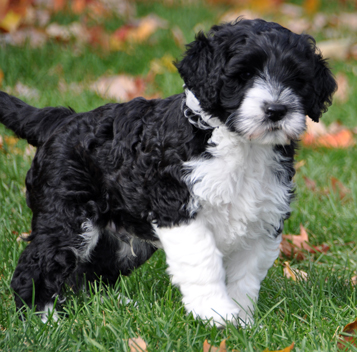
Work, appointments, school runs and the occasional evening out are part of ordinary life. Helping your dog feel comfortable when you are away is part of caring for them.
The difficult question is how long. A dog who can physically wait for a toilet break may still be distressed within minutes of a person leaving. Another dog may rest comfortably but need an earlier visit because of age, medication or a health condition.
A useful home-alone plan addresses both physical needs and emotional comfort. It also includes a dependable human backup when your schedule runs longer than your dog can manage.
This guide covers puppies, adult dogs and seniors, with practical ways to plan a workday, introduce short absences and recognize when you need support.
How long can you leave a dog home alone?
There is no single number that establishes what is appropriate for every dog. As a welfare guideline, Dogs Trust recommends a maximum of four hours at a time for adult dogs who have already learned to remain relaxed alone, with care arranged for longer absences.
That is guidance from a UK welfare organization, not a Canadian legal limit or a guarantee that your dog can manage four hours. Puppies, dogs with health needs and dogs experiencing distress may require much shorter periods. Read the Dogs Trust guidance.
Start by asking what your dog has actually demonstrated comfortably, what care they need and how you know. “There was no mess when I came home” is useful information, but it does not describe the whole absence.
Plan differently for puppies, adults and seniors
Puppies
Plan around frequent care, developing toilet habits, meals and gradual learning. Arrange hands-on support rather than expecting a young puppy to fit an adult workday.
Check first: who will provide care at the times your puppy needs it?
Adult dogs
Use the dog’s established comfort with separation and actual care needs to organize absences. Reassess when the household schedule changes.
Check first: what happens during the absence, and is the arrangement still working?
Senior dogs
Review access to water, comfortable resting places, safe footing and toilet opportunities. A previously workable routine may need revision.
Check first: has anything changed in mobility, drinking, toileting, sleep or behaviour?
Newly arrived dogs
Learn what the dog can manage in your home. A history of coping elsewhere is useful, but your new household still needs a practical transition plan.
Check first: can someone cover necessary absences while you learn the dog’s needs?
Count the whole absence, including the commute
A nine-to-five job does not necessarily mean eight hours away. Add the drive, parking, errands and delays before deciding what care is needed.
Consider this illustrative schedule: you leave at 7:45 a.m. and return at 5:30 p.m. That is nine hours and 45 minutes away. A caregiver present from noon to 12:30 p.m. leaves one uninterrupted gap of four hours and 15 minutes, followed by another of five hours.
The visit is valuable, but the arithmetic shows why “someone comes at lunch” is not enough information to assess the plan. The timing and length of the remaining gaps matter.
You might need different visit times, more than one visit, longer companionship, staggered household schedules or care in another suitable setting. Choose the arrangement around the individual dog.
Dogs Trust’s full-time working guidance discusses walkers, family support and daycare while emphasizing the dog’s physical, social and mental needs. Group daycare is an option to assess, not an automatic fit.
Use observation to understand what happens
A camera can help you see the beginning of an absence and what follows. Position it to show the area your dog actually uses, check the view before leaving and keep cables out of reach.
Look for the sequence: where your dog goes, whether they settle, what triggers movement or noise, and whether they rest again. Record the time of anything concerning so you can give a professional a useful account.
Dogs Trust identifies behaviours such as vocalizing, destruction and difficulty settling as reasons to investigate separation-related problems. It recommends recording what happens when you are away. A video can inform assessment; it does not by itself establish a diagnosis.
A barking episode at a delivery, discomfort with confinement and distress about being alone may require different responses. Describe what you observed rather than choosing a label from a single clip.
Make sure observation has a practical purpose. If a camera shows your dog is struggling, the next step is to change the arrangement or obtain help—not simply watch an unsuitable absence continue.
Teach time apart in manageable steps
Practise when you have flexibility and can return promptly. Meet your dog’s immediate care needs first, then start with a separation they can comfortably handle.
This might initially mean moving a short distance while your dog rests nearby. Being out of sight or stepping through an exterior door may be a later task. Increase difficulty gradually, based on the dog’s response rather than a fixed calendar.
VCA’s separation-distress guidance recommends keeping practice non-stressful and developing calm downtime. If a step causes distress, make the next attempt easier and seek guidance if you cannot find a comfortable starting point.
Do not use a necessary long work absence as the next training step simply because the previous short attempt went well. Training and covering your obligations are two separate planning problems.
Keep a simple practice note
Record the setup, what you did, approximately how long it lasted and what you observed. A useful note might read:
“Settled on the usual bed while I moved to the kitchen. Stayed relaxed. Became alert when the outside door opened. Next practice: work at an easier step and arrange company for tomorrow’s appointment.”
The note helps you avoid repeatedly testing a difficult step or making several changes at once. Progress may involve repeating a comfortable exercise rather than extending every attempt.
Choose the right space
A crate, pen or dog-proofed room can be useful when it suits the dog and has been introduced appropriately. The choice should reflect demonstrated comfort and safety.
VCA Canada’s confinement guidance describes gradual introduction and building relaxed behaviour. A crate is not a substitute for toilet breaks, company or treatment of distress.
If your dog panics in a crate, attempts to escape or risks injury, stop using that setup for unattended absences and obtain professional advice. Stronger containment does not explain why the dog is struggling.
Before using any area, check access to drinking water, comfortable temperature, safe resting space and hazards such as cords, rubbish, medication and reachable food. Review the room from the dog’s level.
Test enrichment items while supervising before considering whether they are appropriate to leave. Avoid anything your dog may break apart or swallow. A food toy may be enjoyable, but it does not make an otherwise unmanageable absence suitable.
Puppies need a care plan, not a bladder formula
A puppy’s age alone cannot tell you how long they will be comfortable without you. Toilet needs, meals, sleep, activity and their response to separation all belong in the decision.
Write down the puppy’s current daily pattern before arranging visits. Tell a caregiver what usually happens after waking, eating or playing, and allow flexibility instead of making the puppy wait for a schedule chosen solely around work.
Ask about the care available before booking it. Does the person provide a quick toilet visit, a longer stay or several visits? Can they follow your feeding and supervision instructions? What happens if you are delayed?
Our puppy first-days guide can help you organize the arrival period. Build your workday arrangements alongside the home routine rather than leaving them until your time off ends.
When a senior dog’s needs change
A senior dog who previously coped well may begin pacing, toileting indoors or becoming unsettled. Arrange a veterinary assessment instead of assuming the dog has forgotten their training.
VCA Canada explains that pain, reduced mobility, sensory changes, illness and cognitive changes can all contribute to behaviour changes in older pets. Conditions that increase thirst may also increase the need to urinate. Read its senior-behaviour guidance.
Bring specific observations to the appointment: when the change began, whether it happens only during absences, changes in drinking or toileting, and any difficulties reaching resting places.
Then update the care plan. That may include more frequent visits, easier access to a comfortable area or a different daily schedule, depending on your veterinarian’s advice.
Do not restrict water to make an absence easier to manage. Plan care around the dog’s needs and ask the clinic about any concerns.
If your dog is distressed, get help early
Persistent distress, repeated escape attempts, self-injury or an inability to settle warrants prompt support. Contact your veterinarian and a qualified professional with relevant separation-related behaviour experience. Injuries or acute medical concerns need veterinary attention.
While you arrange support, identify ways to avoid absences beyond the dog’s current ability to cope. A familiar caregiver may help some dogs; check how your dog responds rather than assuming any company solves the problem.
Do not punish damage or accidents discovered after returning. The task is to identify and address the cause. Keep photographs or video for the assessment and make the environment safer.
When choosing help, ask how the professional assesses the dog, measures progress and coordinates with your veterinarian. Our Canadian trainer-selection guide can help you evaluate the service.
Write a dependable caregiver handover
Whether help comes from a family member, sitter or walker, make the agreement specific.
Arrival and departure: record the agreed times and what to do if a visit will be late.
Access: confirm the key or entry arrangement before it is needed.
Care: provide meal instructions, toilet routine and any veterinarian-directed medication instructions.
Handling: explain walking equipment, triggers and safe entry and exit routines.
Updates: agree on a brief message confirming the visit and anything unusual.
Emergencies: provide your contact details, backup person and veterinary clinic information.
Backup: identify who takes over if the caregiver cannot attend.
Use the Paw Rewards directory to research local services, then verify that the actual service meets your dog’s needs. A listing is the start of that conversation.
For help with the next step, choose a walker, daycare or pet sitter who can meet that plan.
Prepare for changes before they arrive
A return to the office, a new school timetable or a household member moving out can change the pattern your dog knows. Map the new week before the change starts.
Mark each period when nobody will be home, including travel time. Arrange cover for the gaps, practise manageable separations where appropriate and review what you observe.
Keep a backup for unpredictable Canadian workdays: a delayed train, a winter road closure or overtime can turn a planned absence into a longer one. The backup needs a way to reach your dog, not just a willingness to help.
If you work from home, consider errands and appointments too. Being present most days does not remove the need to plan for the days you are not.
Common home-alone questions
Can I leave my dog for a full workday?
Calculate the entire absence and arrange care around your dog’s comfort and physical needs. A standard work shift should not automatically become the dog’s uninterrupted time alone.
Will a long walk prevent separation anxiety?
Appropriate activity belongs in daily care, but it should not be treated as a guaranteed solution to distress. If your dog struggles after you leave, investigate the reason.
Does a camera replace a sitter?
No. It can help you observe, but it cannot provide a toilet break, refill spilled water or respond physically to a problem.
Should I get another dog for company?
Do not make that commitment on the assumption that it will fix the problem. Assess the existing dog’s needs with a professional and consider another dog only as a separate, long-term household decision.
What if my dog has an accident while I am away?
Review the length of the absence, toilet opportunities and any other changes. Repeated or new accidents deserve veterinary advice, particularly when accompanied by increased thirst, discomfort or other symptoms.
Make being home together—and apart—work
A good plan is one you can carry out consistently: suitable practice, a safe setup, reliable care and support when something changes. Review it as your dog grows and your household routine evolves.
For the wider responsibilities of life with a dog, explore The Complete Guide to Dog Ownership in Canada. When you are back together, share your everyday adventures through the free Paw Rewards app on Apple or Google Play.
For the wider picture, explore Life With Your Dog, from puppyhood to the senior years.
Start Your Next Adventure
Love discovering dog-friendly places like this?
Join Paw Rewards and use our Pawtastic Vacation Planner to plan your next trip, discover dog-friendly destinations across Canada, track your adventures, compete in challenges, and earn Treats for every walk and every memory you create together.
Redeem your Treats for rewards including Puppy Packs, PAWS Magazine subscriptions, Big Country Raw products, Seasonal Boxes, and exclusive offers from our amazing partners.
Because every adventure deserves a reward.
Keep exploring
Everything you need — from finding your next dog to caring for the one already at your feet.
Comments (0)
Loading comments…