September 27, 2026 · Angelique
Make Your Home Work for an Ageing Dog
From slippery floors and awkward beds to night-time toilet trips, practical ways to make your home easier for an ageing dog—without leaving them out of family life.
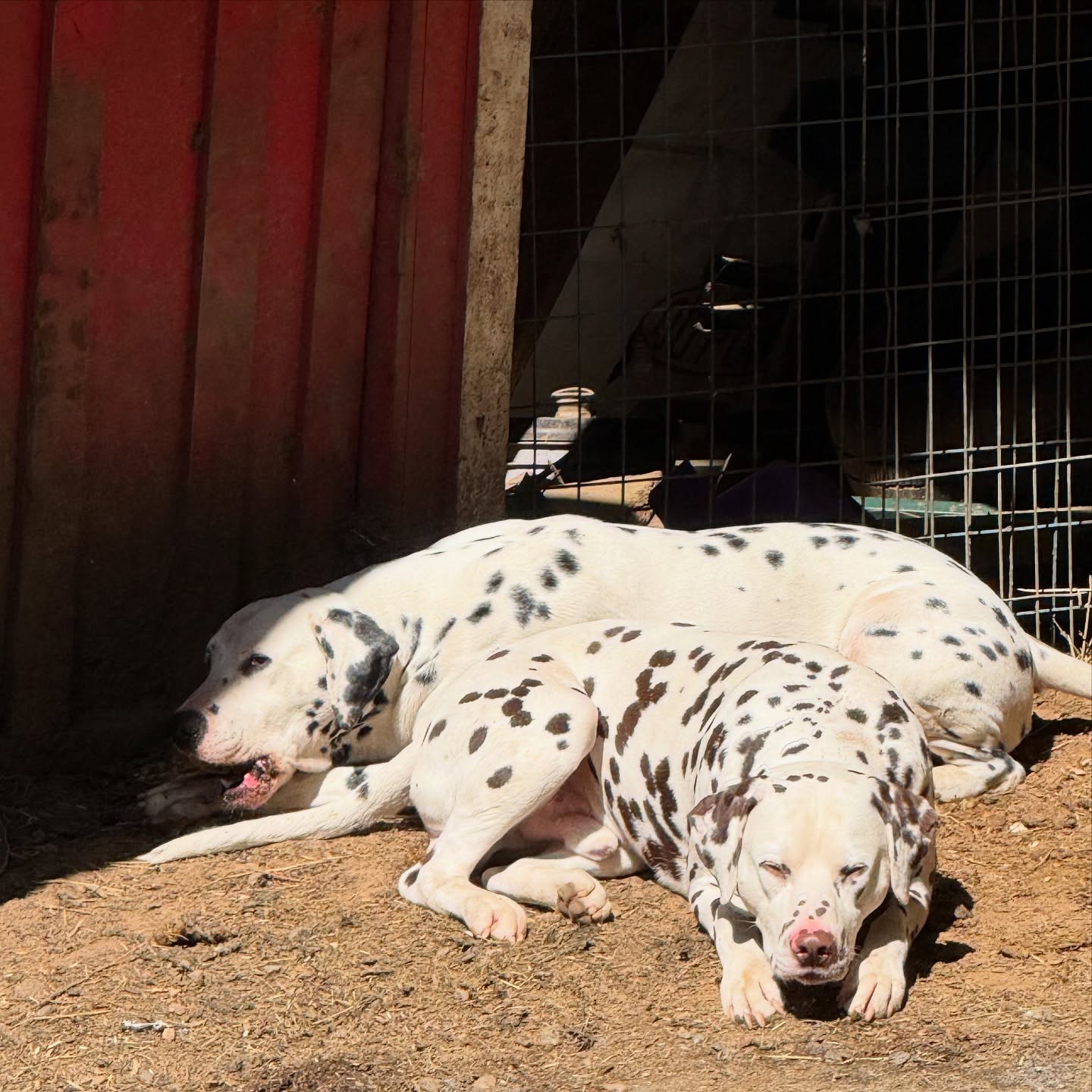
There comes a point when the house your dog has lived in for years starts asking more of them.
The kitchen floor becomes something to negotiate. The back step takes a pause. The bed you bought for comfort is difficult to climb out of. Your dog still wants to follow you, but getting to you has become work.
We notice the big things. We sometimes miss the twenty small challenges between waking up and going back to sleep.
Your dog should be able to reach their water, get outside, rest comfortably and spend time with their people without every movement becoming a test. Making that possible means looking closely at how they actually use your home.
You do not have to replace everything. You do have to be willing to change what is no longer working.
Start with the dog, then look at the house
New difficulty getting up, hesitation, altered posture or withdrawal deserves a veterinary conversation. Pain can change movement, sleep and social behaviour; it does not always announce itself with a yelp. Cornell’s guidance on recognising pain explains those quieter changes.
A rug may help your dog cross the kitchen. It cannot tell you why crossing the kitchen became difficult. Home adaptations belong alongside an assessment and appropriate treatment.
Sudden inability to stand or use a limb, collapse, difficulty breathing or severe pain needs immediate veterinary attention. Call the emergency clinic and ask about safe transport. Do not repeatedly lift your dog onto their feet to see whether they can manage. Cornell’s emergency guidance covers these warning signs.
For an ongoing change, bring a short video of ordinary movement and photographs of the difficult area. Film what happens naturally; do not recreate a slip. Include what assistance you now provide. “She gets up” leaves out a great deal if someone lifts her back end every time.
Our article on arthritis and hidden pain looks more closely at changes that deserve attention.
Walk through one ordinary day
Start where your dog wakes up. Follow the route to water, breakfast, the toilet area, their favourite resting place and wherever you spend time. Repeat the exercise in the evening, when lights, noise and household activity change.
Watch transitions. Does your dog have somewhere secure to put their front feet while rising? Must they turn sharply through a doorway? Does someone need to move a chair before they can reach the garden?
Here is an illustrative example: an owner adds a runner through the hall, but it ends before the kitchen. The water bowl remains across two metres of tile. The hallway is easier; the dog’s trip for a drink still contains the difficult part.
Write down the problem in plain language: “Slips while turning towards the water.” That gives you something specific to address and later reassess.
Traction needs to follow the whole route
Secure rugs or runners can make smooth floors easier to navigate. They need to stay in place, with flat edges that do not catch feet. VCA’s home-mobility guidance also recommends attention to nails and fur extending between the toes, and individual advice before trying wearable traction aids.
Look beyond straight-line walking. Include the space where your dog rises, turns, waits for a door to open and stands to eat. A narrow runner might accommodate forward movement but leave the back feet on slippery flooring during a turn.
Test the surface yourself before inviting your dog onto it. Does the rug shift under pressure? Does its backing grip this particular floor? Does a corner lift when the door opens? Check again after washing.
Keep a spare covering for the main route. If the only runner spends half the day drying after an accident, the adaptation disappears exactly when you need it.
Ask the veterinary team or a suitably experienced groomer about comfortable nail and paw care. Painful joints can make prolonged standing or holding a leg difficult. Shorter sessions and a different position may be needed.
Watch any socks, boots or grips in use. If they twist, rub, make walking harder or distress your dog, stop and seek advice. A product needs to earn its place by helping this dog.
Stairs and ramps: look at both ends
A dog rushing downstairs is not necessarily managing comfortably. Stairs demand strength, balance and control, and a dog’s ability to go up can differ from their ability to come down. Canine Arthritis Management’s home guidance discusses stairs, thresholds and the need to adapt access to the individual dog.
Ask whether the stairs are necessary. Could you move essential activities onto one level? Could your dog sleep close to you without climbing a flight? Where access needs restricting, use a securely fitted barrier appropriate for that location, following its installation instructions.
If a ramp is being considered, measure the available space before buying. Bring photographs and measurements to your veterinarian or rehabilitation professional. A short ramp fitted into a tight space may be too steep for your dog; a longer one may block the room.
Check the proposed setup:
- Can the ramp be secured so it cannot slide or tip during use?
- Is it suitable for the dog’s weight, width and balance?
- Can the dog approach straight on and step off onto stable flooring?
- Is there enough landing space to stand and turn?
- Will side protection be needed, and does the design provide it?
- Can you stand beside the dog if assistance is required?
- Can the dog bypass it and jump anyway?
There is no single ramp angle or step height that makes every older dog safe. Some dogs can use shallow steps; others need a ramp, assistance or a different arrangement altogether.
Introduce an appropriate aid gradually, with secure footing and rewards for comfortable participation. Do not pull a reluctant dog up it or keep luring them beyond what they can physically manage. Refusal gives you information.
The same questions apply to the car. Work out the return journey too, including where the ramp will sit when another vehicle parks beside you.
A comfortable bed must be possible to leave
Look at entry height, available space and what happens when your dog tries to rise. A deep, soft bed may feel wonderful to your hand yet make getting up awkward. A high bolster can become another obstacle.
Canine Arthritis Resources and Education recommends supportive bedding, suitable placement and traction around the resting area. The word “orthopaedic” on a label does not tell you whether the size, height and firmness suit your dog.
Offer a bed they can enter easily, stretch out on and leave without it sliding away. Observe their choice. If they repeatedly choose another spot, ask what that spot offers: temperature, space, a view of the room, closeness to you or easier movement.
Keep a comfortable option near family activity and another quieter option if space allows. Resting near people and resting without interruption are both reasonable preferences.
Warmth needs judgment. Some dogs seek it; others prefer a cooler surface. Heating pads can burn sleeping or mobility-impaired pets who cannot move away readily, as VCA’s heating-pad guidance explains. Ask the veterinary team before adding active heat for a frail dog.
If your dog cannot change position independently, ask for a nursing plan covering bedding, assisted repositioning and skin checks. A better mattress alone does not provide that care.
Food and water should be easy to reach and use
Watch a whole meal and a drink. Can your dog approach the bowl, stand comfortably and leave without backing into furniture? Does the bowl slide? Does another animal hover close enough to make them rush or stay away?
Consider an additional water station beside the area where they spend time, leaving familiar access available while they learn the new arrangement. Put bowls on secure surfaces outside busy doorways.
Bowl height deserves individual advice. A raised bowl may suit some mobility problems, but raising every senior dog’s bowl is not a universal rule. Show your vet the posture your dog uses and mention coughing, gagging, regurgitation or difficulty swallowing. Those signs need assessment; changing the stand is not a diagnosis.
Do not reduce access to water to protect the carpet. Increased thirst and urination can have medical causes, and restricting water can be dangerous. Cornell’s guidance on increased drinking and urination recommends assessment, adequate water access and more opportunities to go outside.
The toilet route begins at the bed
A dog may know perfectly well where to toilet and still struggle to get there in time. Think through the entire journey: rising, reaching the door, waiting while you find a lead, crossing the threshold and finding a place to stand.
Keep what you need beside the exit. Build toilet opportunities around your dog’s current pattern, including after waking, and discuss new accidents with your vet. Leakage during sleep, increased frequency and difficulty passing urine are different observations; report what you actually see. Repeated straining with little or no urine needs an immediate veterinary call.
Outside, provide a manageable route and enough space to position and turn. In winter, clear an accessible toilet area before snow becomes an obstacle. Check for ice again at night. Cornell’s winter advice includes cleared areas, suitable boots where tolerated and attention to paw care and mobility.
For apartment living, count the lift wait and corridor journey. Ask about a suitable indoor toilet option when outside access cannot reliably meet the dog’s needs. Give them time to learn it; a dog who has spent years being taught to toilet outdoors may find the change confusing.
Washable protection is useful. Punishment is not.
Keep soiled bedding off the dog and clean and dry affected skin as advised. Diapers need frequent checking and changing; they are not a solution for leaving a dog wet for hours. VCA’s nursing guidance explains moisture-related skin damage and pressure sores. Ask the team to show you what to inspect, particularly if your dog moves very little.
Make the night understandable
Look at the room from your dog’s height after dark. A route that is obvious at noon may look different under a single lamp. Try gentle lighting along necessary routes and observe whether it helps. More light cannot restore lost vision, and harsh glare or changing shadows may be unhelpful.
Keep furniture and important resources predictable for a dog with reduced vision. Clear bags and shoes from familiar paths. Keep doors consistently open or closed so they do not become unexpected obstacles. AAHA’s guidance for blind or deaf pets emphasises a consistent environment, routine and communication adapted to the senses the animal can use.
Let a dog who can hear know you are approaching. For hearing loss, approach within their field of vision when possible. Ask for help establishing predictable cues if both hearing and vision are reduced. Tell visitors and children how to approach; reaching suddenly for a sleeping dog can startle them.
A dog with cognitive changes may become trapped behind a sofa or confused at a corner. Block hazardous gaps without creating another place to get stuck, and check the resulting route. Cornell’s dementia guidance discusses nightlights, protected spaces and predictable routines.
Night pacing, distress or new confusion still deserves assessment. Our article on canine cognitive dysfunction explains why these changes should not simply be accepted as age.
Get hands-on help with lifting and supports
A harness with a handle is not automatically designed to lift a dog. The support needed depends on the dog’s condition, which limbs need help and the task you are attempting.
AAHA’s senior pain-management guidance includes fitted, padded lifting harnesses and rehabilitation within a broader care plan.
Ask a veterinarian or qualified rehabilitation professional to demonstrate fitting and use with your dog. Then have them watch you do it. Discuss sore areas, wounds, recent surgery, rubbing, toileting access and whether the equipment should be removed between uses. Ask how to clean it and what changes mean it no longer fits.
Be honest about your own strength and balance. “I can lift him once” is different from safely helping several times a day, half asleep, on stairs. Do not haul a dog by the collar, legs or tail, or improvise a lifting method that leaves either of you unstable.
Have a practical transport plan before you need one: who can help, which exit you will use, how the dog will enter the vehicle and which clinic to call. In an emergency, get the clinic’s handling instructions for the situation in front of you.
Keep your dog part of the household
The easiest room to mop is not automatically the right place for your dog to spend their life.
A safe resting area should still allow the company your dog wants. If you move their bed downstairs, consider where you will spend time together. If a gate protects them from younger dogs, arrange it so they can settle comfortably without being pestered through the bars.
Separate busy greetings, food preparation and rough play when necessary. Your older dog should not have to defend a bed or compete for access to you. Children need adult supervision and clear boundaries around resting dogs.
Your voice is still their voice. “Give her room” is enough.
Preserve the familiar pleasures you can: a view of the garden, quiet company, an accessible place for a sniffing activity. Ask what movement is appropriate for their condition. A senior dog’s need for assistance does not erase their interests, and their need for rest does not mean they want to be left alone all day.
Your room-by-room senior access audit
Use this as a practical planning sheet, not a medical score. Write one observation and one action beside each area:
- Sleeping area: Can my dog rise, turn and step out? Where do their feet land?
- Hallways and doorways: Where do they hesitate, slide, squeeze or have to step over something?
- Kitchen: Can they reach and use food and water without rushing, slipping or being crowded?
- Living room: Can they rest near us, choose quiet and leave the bed easily?
- Stairs and furniture: Which journeys are necessary? Is access controlled when help is unavailable?
- Outside: Can they reach a toilet area and return in darkness, rain, ice or snow?
- Night and time alone: Is the route still clear? Can they reach water? Who will notice if they need help?
- Care and transport: Can every caregiver use the equipment safely, and is there backup?
Choose the most urgent obstacle first. If money is tight, tell the veterinary team what you can spend and ask which changes will matter most. Clearing a route, securing an existing rug or relocating an activity may help without a major purchase. Equipment that needs professional fitting deserves a separate conversation.
Over the following week, record whether the change actually helps. Are there fewer slips? Does your dog use the route willingly? Can they settle and rise more comfortably? Has your workload become manageable? Do not wait a week to report worsening symptoms.
If a new setup fails, revise it. Your dog does not need to prove that your purchase was worthwhile.
They have lived alongside your routines for years. Making room for what they need now is part of living alongside theirs.
Start Your Next Adventure
Love discovering dog-friendly places like this?
Join Paw Rewards and use our Pawtastic Vacation Planner to plan your next trip, discover dog-friendly destinations across Canada, track your adventures, compete in challenges, and earn Treats for every walk and every memory you create together.
Redeem your Treats for rewards including Puppy Packs, PAWS Magazine subscriptions, Big Country Raw products, Seasonal Boxes, and exclusive offers from our amazing partners.
Because every adventure deserves a reward.
Keep exploring
Everything you need — from finding your next dog to caring for the one already at your feet.
Comments (0)
Loading comments…