September 23, 2026 · Angelique
Middle Age Is Easy to Miss: Establishing a Baseline Before the Senior Years
The mature adult years deserve a care plan of their own. Review recovery, muscle, nutrition, veterinary screening and the everyday adjustments that help your dog keep enjoying life.
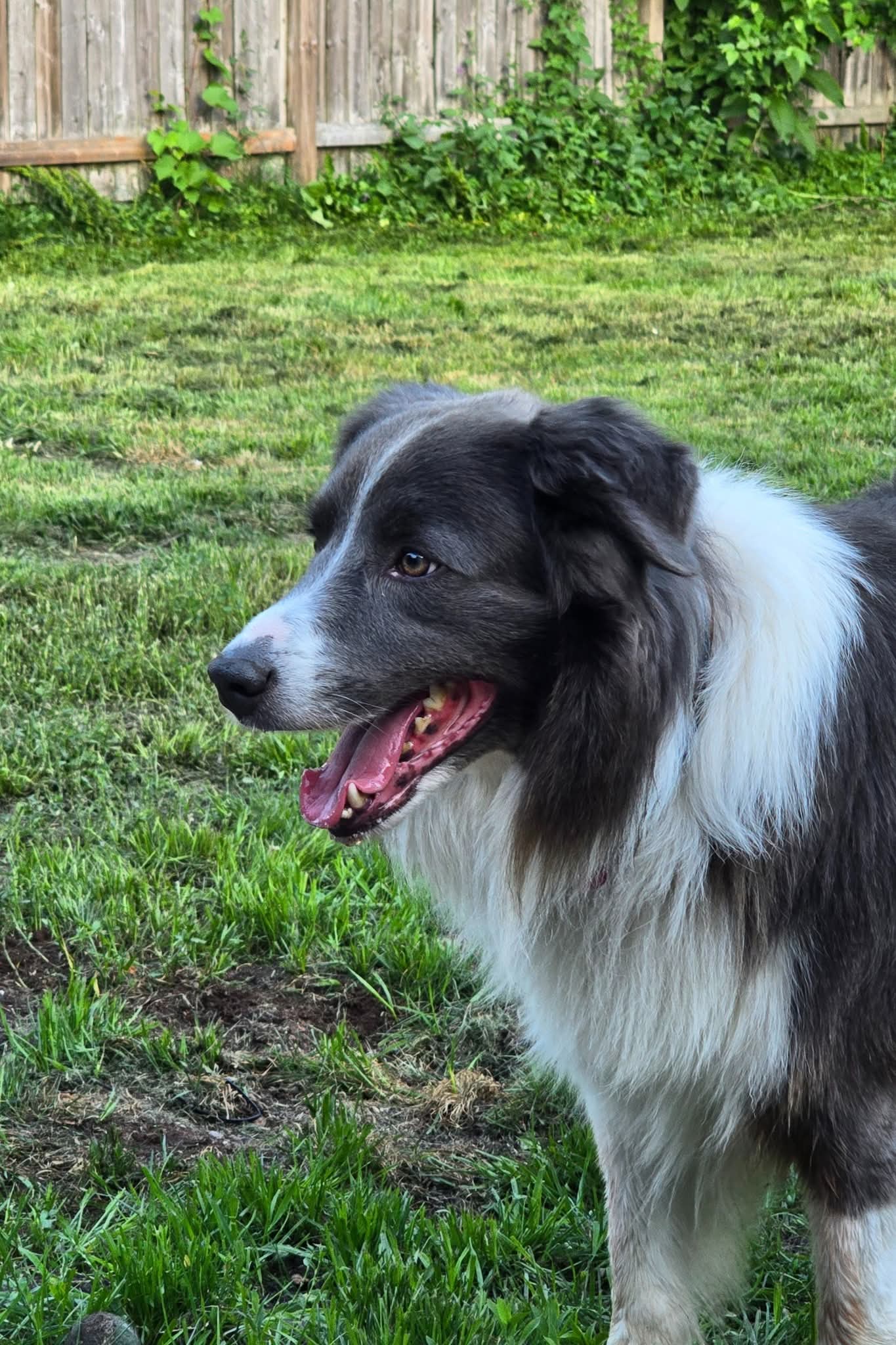
Your dog knows the routine now. They know where the lead lives, which cupboard holds the treats and whether you are getting dressed for work or for a walk. The puppy chaos is behind you. You have a rhythm.
This can be one of the best parts of life with a dog. It is also a stage that is easy to put on autopilot.
We prepare for puppies. We talk about seniors. Somewhere between the two is the mature adult dog, still involved, still learning and often still very capable, whose care deserves more attention than “everything seems fine.”
Middle age is a good time to establish what comfortable, healthy daily life looks like for YOUR dog, and to make a plan for protecting it.
You do not need to start treating your dog as fragile. You do need to stop assuming that the routine which suited them several years ago will always suit them.
First, a change happening now is not a future planning exercise
If your dog is struggling to breathe, collapses, suddenly cannot stand or use a limb, has severe pain, cannot pass urine, or has a swollen abdomen with repeated unsuccessful attempts to vomit, contact an emergency veterinary service immediately. Suspected poisoning also needs immediate advice.
Call your clinic promptly about new stiffness, reduced stamina, appetite changes or other departures from normal. Ask how urgently your dog should be seen. Do not postpone that call while assembling a baseline.
Cornell’s emergency guidance explains urgent warning signs. The discussion below is about planning care for a mature dog, not deciding that a symptom is safe because it appeared gradually.
When is a dog middle-aged?
There is no birthday that makes every dog middle-aged, and seven is not a universal dividing line between adult and senior.
The AAHA canine life-stage guidelines describe mature adulthood as the period after physical and social maturation and before the final quarter of estimated lifespan. Breed and size affect the timing, while health and lifestyle influence the care an individual needs.
That is a framework for planning, not a countdown. An estimated lifespan cannot tell you how long your particular dog will live. A grey muzzle cannot tell you how well their joints, teeth or internal organs are functioning.
Ask your veterinarian, “Which life stage best describes my dog now, and what should we review because of it?” That is a more useful conversation than converting their birthday into human years.
If you adopted an adult whose age is uncertain, say so. Work with the best available history and the dog in front of you.
The adult dog who causes no trouble can be easy to overlook
A puppy demands attention. An obvious illness demands attention. The dog who quietly follows the household routine may get less of it precisely because they are so easy to live with.
Think about what you have stopped noticing. Who watches them get up after their afternoon sleep? Who sees the end of their meal? If somebody else walks them, do you know whether they have changed pace or begun avoiding part of the route?
You do not need everyone in the household to become a health inspector. You need observations to reach the person making care decisions.
A simple question helps: “Has anything become harder, taken longer or disappeared from their usual day?” Perhaps the answer is no. That is still useful to discuss at a planned examination, while remembering that home observations cannot establish that a dog is free of disease.
Watch recovery as well as enthusiasm
Owners often describe capability through the exciting part: “She still chases the ball.” “He still wants to go hiking.” “You should see him when I pick up the lead.”
Now include what happens later. How does the dog move after resting? Can they settle comfortably? Do their ordinary activities look different that evening or the following morning?
This is not a home endurance test. Do not repeat a demanding outing to see whether you can reproduce a problem.
Cornell’s guidance on pain identifies stiffness, difficulty rising, reluctance to exercise, altered sleep and changes in interaction among possible signs. A dog does not need to yelp for discomfort to deserve investigation.
Instead of “He was tired after our walk,” try: “After resting, he hesitated at the back steps, which is unusual. The route was longer and hillier than our normal walk.” Report the observation without deciding that age, fitness or arthritis must explain it.
A dog’s willingness to keep going is not permission to ignore how they cope afterwards.
Record the demand, not only the distance
Two outings with the same distance can ask very different things of a dog.
A steady walk on a familiar path is different from repeated chasing, sharp turns and jumping in and out of a vehicle. Deep snow, slippery ground, hills, heat and long waits between bursts of activity also change the circumstances.
When you describe your dog’s week, include the ordinary days. Five quiet days followed by a strenuous Saturday tells a different story from regular activity throughout the week.
VCA’s veterinary guidance on exercise favours consistent, progressive conditioning tailored to the dog’s health and starting fitness. It recommends veterinary input before establishing a fitness programme.
Ask what activities suit your dog, how to increase them and what response should make you stop and call. There is no single kilometre target, recovery time or percentage increase that this article can safely prescribe for every mature dog.
Working and sporting dogs need a baseline that reflects their actual work
“Active” is not a detailed history. Tell your veterinarian whether your dog herds, competes in agility, runs beside you, works in search and rescue or spends hours accompanying you outdoors.
Include training frequency, surfaces, travel, previous injuries and the parts of the job you want them to continue doing. Bring short, ordinary footage if the clinic requests it. Do not push the dog through an uncomfortable movement for the camera.
Cornell’s sports medicine and rehabilitation service describes assessments that consider gait, medical history, nutrition, prior training and activity goals. Your own veterinarian can advise whether a rehabilitation or sports medicine referral would add something useful.
For a household companion, the goal might be comfortable neighbourhood walks and getting into the car. For a working dog, it may include particular tasks. Both deserve an individual plan.
Write down the goal in practical language. “Keep her comfortable joining our daily walks” gives the care team more direction than “keep her young.”
The scale can stay the same while the dog changes
A stable weight is useful information. It is not a complete body assessment.
AAHA’s nutritional screening guidance treats weight, body condition and muscle condition separately. Body condition assesses fat stores; muscle condition assesses muscle. A dog can have excess body fat and muscle loss at the same time.
Ask the veterinary team to record all three and explain what they see. If you are shown how to assess your dog at home, practise gently with their guidance. A heavy coat and a flattering photograph can make visual comparisons unreliable.
Keep dated weights and note which scale was used. Ask how often reassessment would be useful. Do not treat an unexplained change in shape or muscle as an invitation to simply feed more, cut food or exercise harder.
The useful question is, “What has changed, and what do we need to understand before adjusting the plan?”
Review food against current needs, not the label on a birthday
Middle age does not automatically require a diet change. AAHA notes that a dog doing well on an appropriate complete and balanced adult diet does not need to switch solely because of age. Foods marketed for seniors also vary; the word “senior” does not describe one consistent nutrient profile.
Whether you feed fresh, raw, cooked, dry or a combination, bring the actual details to the review: product or recipe, amounts, treats, chews, supplements and recent changes. Ask whether the diet remains nutritionally adequate and appropriate for your dog’s body condition, activity and medical needs.
Describe the week you live now. The food allowance established during a busy training season may deserve another look after a major routine change.
If a change is recommended, ask what it is intended to achieve and how you will assess the result. Avoid changing several foods and adding several supplements at once without a clear plan. Otherwise, even your own notes may become difficult to interpret.
Book a mature-adult review while your dog appears well
You can book an appointment specifically to review this life stage. You do not have to wait for a vaccination reminder or a dramatic symptom.
AAHA’s mature-adult guidance recommends physical examinations on an annual to twice-yearly basis, adjusted to the individual. Working dogs and dogs with medical conditions may need a different schedule.
Tell the clinic what you want to discuss when you book so the appointment can accommodate it. Bring previous records if your dog has changed practices.
Useful questions include:
- What did the examination show about movement, comfort, body and muscle condition?
- Are there breed, family-history or previous-injury concerns that affect the plan?
- What should we review about dental care and preventive care?
- Do our travel, boarding or outdoor activities change any recommendations?
- When should we return if everything remains stable, and what would bring that date forward?
Keep a short list of your own priorities. “There is one change I particularly want to discuss” helps prevent the concern you came with from getting lost.
Understand what baseline tests are for
A physical examination and laboratory tests provide different information. Ask your veterinarian which tests are appropriate and what questions each would help answer.
The 2019 AAHA diagnostic-testing guidance includes annual blood-cell counts, blood chemistry and urinalysis for apparently healthy mature adult dogs. The guideline identifies these schedules as task-force recommendations. Your veterinarian should explain their application to your dog rather than treating a list as a substitute for judgement.
Routine imaging is a separate decision. The same guidance does not support a blanket imaging recommendation for every apparently healthy adult; particular findings or breed risks may justify it.
Ask: “Is this screening because my dog appears healthy, investigation of a concern we have already found, or preparation for a procedure?” Understanding the purpose makes the recommendation easier to evaluate.
A baseline is a comparison, not an all-clear certificate
AAHA explains the value of recording an individual dog’s laboratory baseline so results can be considered over time. A laboratory reference interval describes a range across a population; the veterinarian also considers the dog’s previous values and clinical picture.
That does not mean every small movement within a range is disease. Nor does one flagged result establish a diagnosis. Ask whether a finding needs investigation, a repeat sample or monitoring, and why.
Keep copies of the complete reports with dates and the clinician’s interpretation. “Bloodwork fine” is much less useful when another clinic needs to compare actual results.
Normal bloodwork also does not settle every question about a dog who is stiff, sore or struggling to eat. As the pain and dental guidance linked here explains, those concerns may require examination and other investigations. If the change continues, tell the veterinarian even if initial screening was reassuring.
You should leave knowing who will communicate the results, what happens next and when to make contact again.
Make dental comfort part of the plan now
Dental care belongs in mature adulthood. Waiting until eating becomes visibly difficult can leave a problem unaddressed.
Cornell describes regular oral examinations and appropriate home care, and explains that a thorough examination with dental X-rays requires anaesthesia. An awake look in the mouth provides useful information but cannot show everything.
Ask what the examination found, whether professional treatment is indicated and what home care is suitable. Report bad breath, drooling, bleeding, swelling or changes in chewing promptly.
If handling is difficult, say so. Ask for help teaching comfortable participation. Do not force brushing or mouth handling when your dog may be painful.
For a recommended procedure, discuss the individual risks, preparation, monitoring, recovery and cost. A clear plan is more useful than indefinitely putting “teeth” on next year’s list.
Make everyday life easier before it becomes difficult
Walk through the routes your dog uses most: bed to back door, kitchen to water, driveway to car. Look for practical obstacles, including loose rugs, clutter and slippery turns.
You can improve footing and clear access without waiting for a diagnosis. If a ramp may become useful, ask about an appropriate stable design and teach it gradually at an easy level while your dog is comfortable. Do not drag them up it or improvise an unstable board.
Think beyond equipment. Can your dog rest without being repeatedly disturbed? Can they reach you without having to compete with a younger dog? Does the person who looks after them know how to recognise a change and whom to call?
These are adjustments to your household, not evidence that your dog is declining. A comfortable resting space and an accessible route can be useful at any age.
Keep opportunities to learn and participate. An appropriate scent search, familiar training exercise or quiet outing together may be worth far more to your dog than accompanying you to an activity they no longer enjoy.
Do not confuse a preference with a problem, or dismiss a change as a preference
A dog who has always preferred their own people does not need a social makeover in middle age. You can respect their space and still expect manageable behaviour around others.
A new pattern deserves a different conversation. If a previously comfortable dog starts avoiding touch, withdrawing from family activity or reacting when another dog approaches, record what happens and arrange veterinary advice. Pain can affect behaviour, as Cornell’s guidance above describes.
Give them space while you investigate. Do not repeatedly allow the younger dog to climb over them because they “used to put up with it.”
Ask what your dog currently chooses when the pressure is removed. Their preferences belong in the care plan alongside their physical needs.
Your mature-dog baseline review
This is a suggested discussion sheet, not a validated medical score. Complete what you know, mark what you do not know and bring concerns to the clinic without waiting to fill every space.
| Review area | What to write down or agree |
|---|---|
| Starting point | Date, age or estimate, relevant history and the life stage discussed with your veterinarian. |
| Ordinary week | Actual activities, quieter days, surfaces and routines; include work or sport where relevant. |
| Comfort and recovery | How ordinary movement and settling look before and after activity; record any concern separately. |
| Body and food | Dated weight, veterinary body and muscle assessments, current food details and agreed reassessment. |
| Clinical record | Examination findings, test reports, interpretation and what requires follow-up. |
| Daily experience | Activities your dog enjoys, handling or social concerns, and practical changes that could help. |
| Next steps | Who will do what, the next review date and signs that should prompt earlier contact. |
For the everyday record of appetite, drinking, toileting and sleep, use Know Your Dog’s Normal. This mature-dog review adds the bigger question: does their overall care still fit the life they are living?
What that review might change in a real household
Consider this illustrative situation, not a real patient: a mature dog still joins a family’s long Sunday walk, but recently hesitates when getting up afterwards. The household has also had a busy month, with much less weekday activity.
The useful response starts with contacting the veterinarian and describing both the change and the routine. The family asks what activity is appropriate until assessment. They do not label the dog old, decide the problem is simply poor fitness, or repeat the long walk as a test.
At the appointment, they explain their goal: keeping the dog comfortable on shared walks. They leave with an agreed plan, any recommended investigations and a point at which progress will be reviewed.
The details of treatment would depend on the findings. The owner’s contribution is the accurate history, the practical goal and the willingness to change the routine.
A workable plan includes your circumstances
Tell your veterinary team if cost, travel, stairs, work hours or your own physical limitations affect what you can manage. Ask for the priorities and an estimate. If recommendations need to be staged, agree what can safely wait and what cannot.
In a rural area, include realistic travel time and after-hours options. If you cannot safely lift your dog into the vehicle, discuss transport arrangements before an urgent problem forces a decision.
You do not need to transform the whole household overnight. You need a plan you understand, can carry out and know when to revisit.
Let the middle years be good years
Your mature dog still deserves adventures, choices, learning and time with you. A baseline helps you notice when their needs change and explain those changes clearly.
Keep the activities they enjoy. Make sensible adjustments. Ask questions while you have room to plan.
For the transition ahead, read Watching Your Dog Grow Old, or return to the Life With Your Dog guide for support across every stage.
Start Your Next Adventure
Love discovering dog-friendly places like this?
Join Paw Rewards and use our Pawtastic Vacation Planner to plan your next trip, discover dog-friendly destinations across Canada, track your adventures, compete in challenges, and earn Treats for every walk and every memory you create together.
Redeem your Treats for rewards including Puppy Packs, PAWS Magazine subscriptions, Big Country Raw products, Seasonal Boxes, and exclusive offers from our amazing partners.
Because every adventure deserves a reward.
Keep exploring
Everything you need — from finding your next dog to caring for the one already at your feet.
Comments (0)
Loading comments…