September 23, 2026 · Angelique
Know Your Dog’s Normal: The Small Changes Worth Recording
Small changes in appetite, drinking, sleep, movement and behaviour deserve a clear record. Learn what to notice, what to tell your vet and when to call immediately.
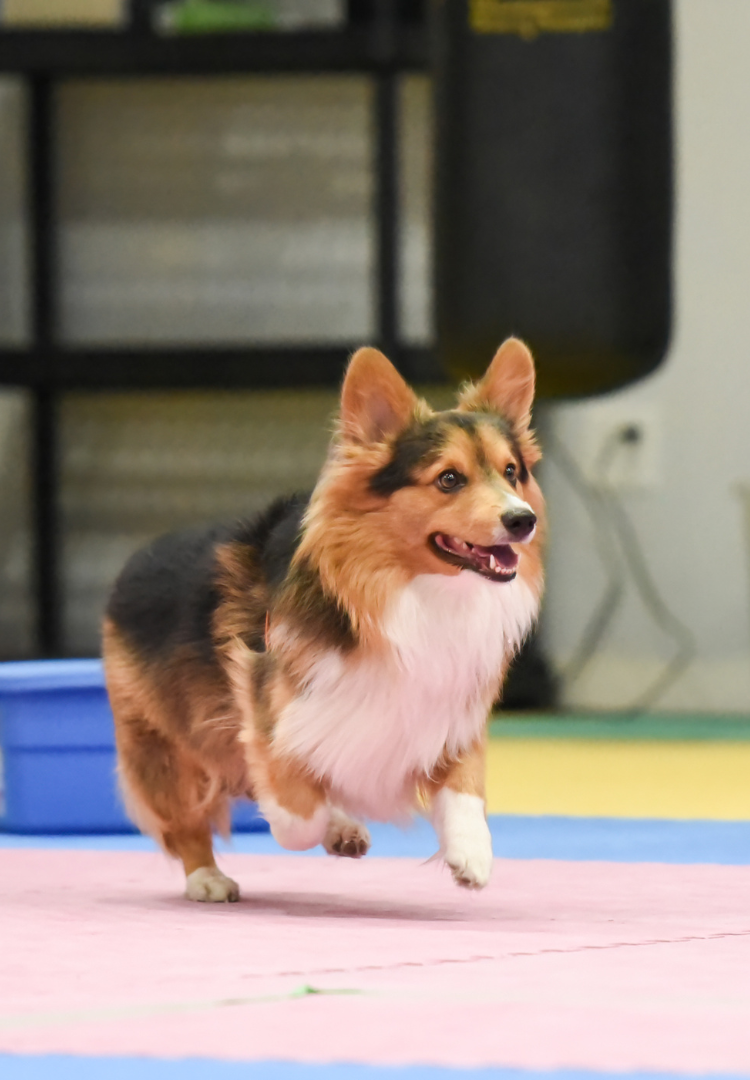
You know the sound of your dog getting up. You know who usually arrives in the kitchen first, how quickly dinner disappears and which patch of grass requires a thorough investigation.
Then something changes. They still come for dinner, but leave some behind. They still go for a walk, but pause before the steps. They still sleep beside your bed, but now you hear them moving around at three in the morning.
None of those observations gives you a diagnosis. They do give you something worth paying attention to.
You do not need to prove that something is wrong before calling your veterinarian. “This is different for my dog” is a valid place to begin.
A useful health record helps you describe that difference. It should make caring for your dog clearer, not turn every evening into an inspection or give you another thing to feel guilty about.
Some changes need a phone call now
Contact an emergency veterinary service immediately for difficulty breathing; collapse; sudden inability to stand or use a limb; severe pain or major trauma; unsuccessful attempts to urinate; or a swollen abdomen with repeated attempts to vomit that produce little or nothing. A seizure lasting more than five minutes, or repeated seizures, is an emergency.
Suspected poisoning or swallowing a dangerous object also needs immediate veterinary advice, even if your dog currently looks well. Do not wait to finish a record or obtain a video.
This is not an exhaustive list. If you are unsure, call and describe what is happening. Cornell’s emergency guidance explains these warning signs.
“Usual for my dog” and “healthy” are different questions
A baseline describes what you usually observe. It cannot certify that everything is medically normal.
If your dog has struggled to get up for months, that difficulty belongs in their history. Its familiarity does not make it acceptable to ignore. Equally, a dog who appears well can still have a problem that home observation will not reveal.
Keep the veterinary examinations and screening your veterinarian recommends for your dog’s age, health and circumstances. VCA explains how an owner’s history, a physical examination and appropriate testing contribute different information. Your notes support that care.
Start with what you can honestly describe today. Mark existing concerns as concerns. There is no requirement to collect a perfect week of information before booking an appointment.
Appetite: record what was eaten, not just what was offered
“He had breakfast” can mean you filled the bowl. It does not necessarily mean he ate it.
Write down the food, approximate amount offered and amount left. Include treats, chews, toppers and anything another household member supplied. Whether your dog eats fresh, raw, cooked, dry or a combination of foods, use a description that someone else can understand. Keep the packaging or recipe details available if your veterinarian needs them.
Be honest about uncertainty. “Half the bowl remained, but I did not see who ate the rest” is useful information in a home with two dogs. “Normal appetite” would be a guess.
Notice the process as well as the quantity. Does your dog approach food and turn away? Take much longer? Drop pieces? Seem to want food but have difficulty eating? PDSA advises contacting a veterinarian about a change in eating habits; several different problems can affect appetite.
Do not use a universal “wait 24 hours” rule. Call for advice when eating changes, particularly with other signs of illness or in a puppy or dog with an existing medical condition. Being willing to eat a favourite treat does not settle the question.
Drinking: a shared water bowl can hide the story
Record what drew your attention: extra refills, repeated visits to the bowl or drinking at a time your dog usually would not. Note heat, exercise and changes in food or medication.
In a multi-pet household, bowl refills describe the household’s water use. They do not tell you how much one dog drank. Water added to meals, spills and outdoor sources complicate the picture too.
If your veterinarian wants an intake measurement, ask how to obtain it without disrupting access to water. NEVER restrict water to reduce accidents or make the numbers easier to collect.
Cornell explains why increased drinking and urination warrant investigation, and why restricting water can be dangerous. A change is worth reporting even when you cannot supply an exact volume.
Toileting: write what actually happened
For urine, distinguish more trips outside from visibly larger amounts, repeated small attempts, leaking during sleep or an accident while awake. You may not know the volume. Say so.
For stool, note frequency and appearance in ordinary language. “Three loose stools this morning, compared with his usual formed stool after breakfast” is clearer than “his stomach is off.” A photograph can save a lengthy description; ask the clinic whether and how they want one sent.
Record who saw the event. In a fenced yard shared by several dogs, finding a puddle or stool does not establish which dog produced it. When practical, accompany the dog you are concerned about and observe without crowding them.
Do not punish an accident. Clean it up and put the information in the record. “Indoor urine beside the back door at 6:15 a.m.; last outside at 10 p.m.” gives your veterinarian something to work with.
Ask the clinic whether they need a sample and how it should be collected, stored and delivered. Do not postpone care while trying to obtain one.
Sleep and rest: notice the pattern around the clock
A dog who spends the afternoon asleep may still have had a difficult night. If different people handle mornings and evenings, compare notes.
Describe night waking, requests to go outside, repeated changes of position and difficulty settling. Include the setting: a warm bedroom, visitors, a disrupted routine or an unfamiliar sleeping place. Those details provide context; they do not prove the cause.
For example: “Usually settles on the hallway bed after our last toilet trip. On Monday and Tuesday, moved between three beds and asked to go out twice.” That is more informative than trying to calculate a perfect daily sleep total.
If your veterinarian asks you to monitor resting breathing, ask them to demonstrate the technique and give you a clear action threshold. Count when your dog is relaxed or asleep, not panting after activity. One rise and fall of the chest is one breath; counting for a full minute avoids multiplication. VCA describes home breathing-rate monitoring, particularly for dogs with heart disease. A breathing log does not make visible breathing difficulty safe to watch at home.
Movement and behaviour: replace labels with observations
“Stubborn,” “lazy” and “grumpy” describe our interpretation. They leave out what the dog actually did.
Try: “Stopped at the car door and did not jump in.” “Took three attempts to rise from the bed.” “Moved away when I reached towards the left side of her face.” Include whether the change followed rest, exercise or a particular activity.
Cornell’s guide to pain in dogs describes changes in movement, social behaviour, sleep and everyday activities among possible signs. A dog does not have to cry out for a change to deserve attention.
Enthusiasm is not a pain assessment. Being excited to see the lead does not explain away difficulty getting up afterwards.
Record relevant conditions, such as a slippery floor or a longer walk. Do not make your dog repeat stairs, jumps or uncomfortable handling to see whether the problem happens again. You already have an observation worth reporting.
Weight, body shape and muscle are separate pieces of information
Record a weight with its date and where it was measured. When possible, compare readings from the same scale under similar conditions. If the scale changes, note that instead of treating every difference as a confirmed physical change.
Ask your veterinarian how often weighing is useful for your particular dog. A growing puppy, an adult on a weight-management plan and an older dog with an illness may need different schedules.
The number alone does not describe the whole dog. AAHA distinguishes body weight, body condition and muscle condition. Body condition concerns fat stores; muscle condition assesses muscle. A dog can carry excess fat and still lose muscle.
Ask your veterinary team to show you an appropriate, comfortable way to assess your dog’s body. Photographs from above and from the side can provide a comparison, but coat, stance and camera angle affect what you see. A photograph cannot replace hands-on assessment.
Do not quietly rename an unexplained change “getting older.” Put it on the appointment list.
Lumps, mouths and eyes: observations have limits
If you notice a lump, record its location, the date you found it and whether it has changed. A photograph with a ruler nearby can provide scale if your dog is comfortable. Do not squeeze it or repeatedly poke it.
You cannot identify a lump reliably from a photograph, softness or somebody else’s experience with a similar-looking lump. New or changing lumps belong on your veterinarian’s radar. The American Kennel Club’s interviews with veterinary specialists explain why examination and, when indicated, sampling matter.
For the mouth, note new bad breath, drooling, bleeding, facial swelling or difficulty chewing. These deserve veterinary attention. Cornell describes these among signs associated with dental disease. You do not need to force the mouth open to make a report.
Eye injuries, new squinting, redness or cloudiness need prompt veterinary advice. Repeated vomiting or diarrhoea, especially with blood or weakness, also warrants prompt contact. Do not save those concerns for the next routine visit.
The baseline changes from puppyhood to the senior years
Puppies: date your notes carefully. “Usual” at one age may be a poor comparison later. Keep feeding, toileting and growth information alongside the puppy’s age and veterinary records. If a puppy seems unwell, contact the clinic rather than waiting to build a longer history.
Adolescents: avoid filing every new difficulty under teenage behaviour. Describe the physical and behavioural change first. Our guide to adolescent dogs discusses this stage, but a developmental explanation should not be used to dismiss a health concern.
Adults: familiar routines make useful comparisons. Choose a few ordinary activities you actually see: getting up after rest, eating breakfast and settling in the evening. You do not need to invent a fitness test.
Seniors: preserve older notes and clips. When you live with gradual change, yesterday can become the only comparison you remember. A dated record helps you explain what has changed over months without expecting your dog to perform for the camera.
Our article on watching your dog grow old explores the harder changes. Age belongs in the clinical history; it should not end the conversation.
New arrivals: write “baseline not yet known” where necessary. Ask for previous veterinary records and whatever observations the former caregiver can provide. A settling-in period is not a reason to delay assessment of a dog who seems unwell.
Photos and videos: useful evidence, without a performance
Your veterinarian may see a different version of your dog in the clinic. Cornell’s pain guidance above specifically recommends home notes and recordings to help fill that gap.
Keep clips short and clearly named. “September 23, getting up after afternoon rest” is easier to find than a camera roll full of unnamed videos. Include the whole dog when recording movement and preserve the original speed.
For comparisons, use a similar angle, surface and lighting where practical. Add a sentence about what happened before the clip. Do not trim away the awkward first steps just because the later footage looks better.
Record ordinary activity only when it is safe. Never provoke a reaction, withhold support or delay treatment to obtain evidence. “I could not safely film it” is a complete explanation.
A baseline record you can actually maintain
Use one shared note, notebook or document. Put your dog’s name on it, especially if several animals live in the home. This is a suggested organising tool, not a medical score or a checklist that can declare your dog healthy.
| Record section | What to put there |
|---|---|
| Dog and date | Name, age or estimated age, date started and who contributes observations. |
| Existing care | Known conditions, clinic contact, current care instructions and next planned appointment. |
| Food and appetite | Food details, usual amounts and routine; what you actually observe the dog eating. |
| Water and toileting | Usual access and patterns; shared bowls or unsupervised yard time that limit what you know. |
| Rest and daily activity | Typical settling routine and a few ordinary activities you can compare over time. |
| Body record | Dated weights, relevant photographs and veterinary findings or monitoring instructions. |
| Medicines and supplements | Product, strength, prescribed dose and schedule, plus what was actually given. Include missed doses without embarrassment. |
| Current concerns | Anything already different, when you first noticed it and the advice received. |
Copy medication details from the label and care plan. This record is not a reason to start, stop or adjust treatment yourself.
Keep the baseline short. Put new events in a separate change log so that the original comparison does not disappear every time you edit the document.
Simple change-log entry: date and time; observer; what happened; what is usual; how often it happened; relevant circumstances; other changes; photo or video filename; clinic contacted; advice and follow-up agreed.
“Not observed” is a legitimate entry. It is more useful than “normal” when nobody was home.
How to turn your notes into a useful veterinary call
Lead with the change you are most concerned about. Then give the timing, your dog’s age and relevant medical history. You can offer the detailed log after the clinic understands the main issue.
Here is an illustrative example, not a real patient or a recommendation to wait:
“I’m calling about my nine-year-old dog, Max. He usually finishes breakfast, but today he left about half and walked away. He also asked to go outside twice overnight, which is unusual for him. I first noticed the change last night. He takes the medication listed in his file; I can confirm the dose and last administration. How urgently does he need to be seen, and what would mean we should go straight to emergency?”
If the call concerns breathing difficulty, collapse or another urgent sign, say that FIRST. Do not begin with a long feeding history.
Before ending the call, make sure you understand the plan:
- Where and when should your dog be assessed?
- What specific changes should trigger another call or emergency care?
- Does the clinic want a video, sample, food information or medication packaging?
- If monitoring at home is advised, when should you report back?
- Who should you contact outside regular hours?
If you live far from veterinary care, tell the clinic your realistic travel time. Ask for instructions before changing food, fasting your dog or giving anything intended to relieve symptoms. Write down the advice rather than relying on memory during a stressful evening.
You are allowed to notice something before you can explain it
There is no prize for arriving at the clinic with the diagnosis already worked out. Your job is to notice, describe and act on the advice you receive.
Bring the imperfect notes. Mention the change that seems too small. Say when you are unsure. If the first description did not convey your concern, explain it again with a concrete example.
Your voice is the only voice your dog has. Use it when their ordinary day starts looking different.
For more practical guidance across every life stage, visit Life With Your Dog.
Start Your Next Adventure
Love discovering dog-friendly places like this?
Join Paw Rewards and use our Pawtastic Vacation Planner to plan your next trip, discover dog-friendly destinations across Canada, track your adventures, compete in challenges, and earn Treats for every walk and every memory you create together.
Redeem your Treats for rewards including Puppy Packs, PAWS Magazine subscriptions, Big Country Raw products, Seasonal Boxes, and exclusive offers from our amazing partners.
Because every adventure deserves a reward.
Keep exploring
Everything you need — from finding your next dog to caring for the one already at your feet.
Comments (0)
Loading comments…