September 22, 2026 · Angelique
Dog Parks: The Benefits, the Risks and Which Dogs They Actually Suit
Dog parks can offer freedom, play and community, but the right choice depends on your dog and the conditions that day. Learn what to watch for, when to leave, and how to meet the same needs in other ways.
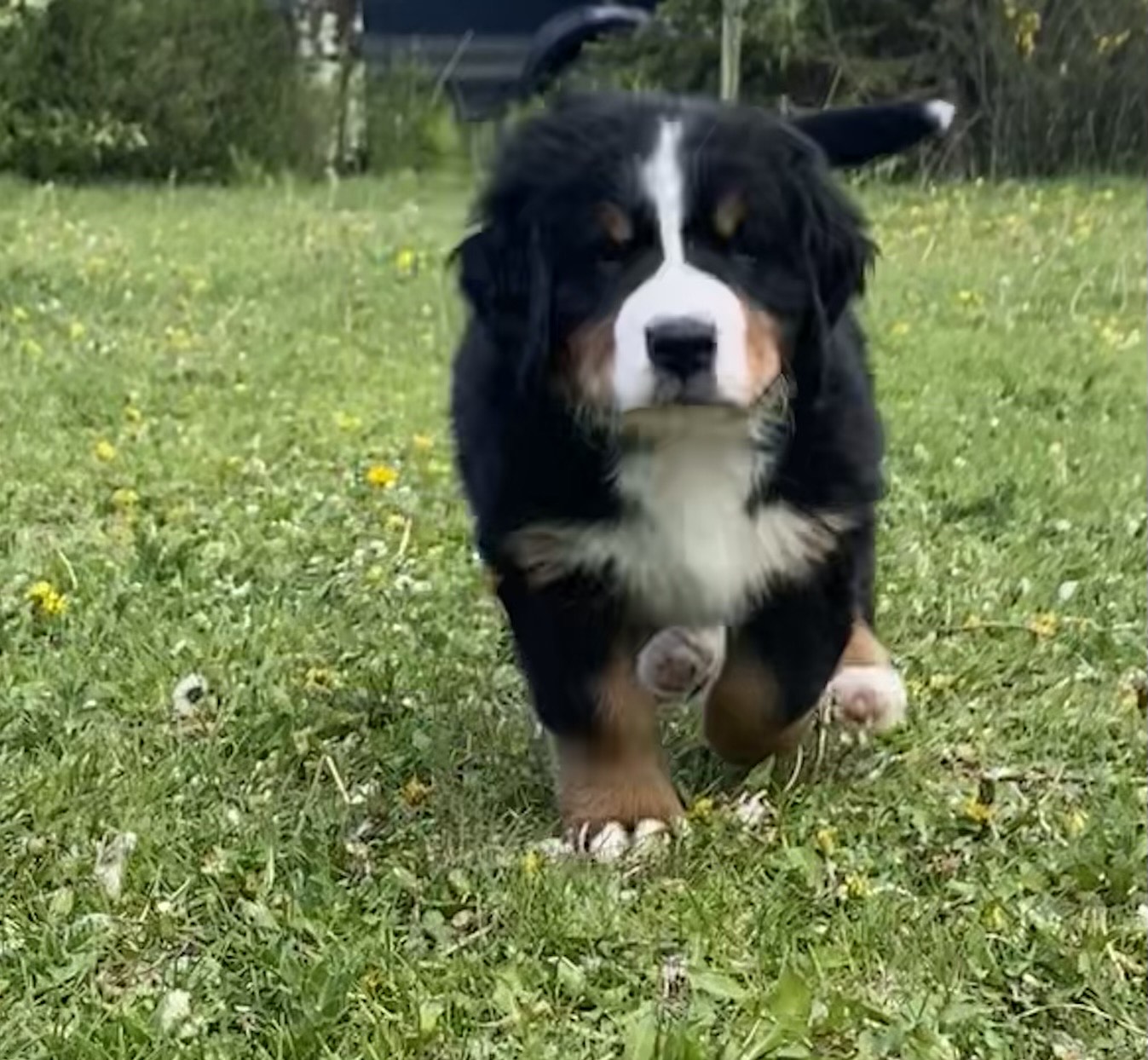
A dog park can be a wonderful part of a dog’s week. Room to move, interesting smells, a compatible friend and an owner who finally has somewhere nearby to let their dog stretch out.
It can also be a place where a dog spends twenty minutes trying to get away from an interaction everyone else calls play.
Both experiences exist. That is why I want to get past the simple argument about whether dog parks are good or bad. The useful question is whether this dog, in this park, with these dogs, is having an experience worth repeating.
The answer can change. Your puppy may need a completely different outing from your adolescent. Your adult may enjoy a few familiar companions. Your senior may still love the smells and company while needing much more protection from rough contact.
This guide mainly concerns shared off-leash areas where unfamiliar dogs mix. A small fenced enclosure, an open off-leash trail and a privately booked field have different practical risks. Always assess the actual space.
What a dog park can offer
For owners without a secure yard, an accessible off-leash area can make a real difference. We should acknowledge that before suggesting alternatives that require a car, spare money or private land.
Potential benefits include:
Freedom of movement. In an appropriate secure space, a dog can choose a comfortable pace, change direction and explore beyond the length of an ordinary leash.
Enjoyable social contact. Dogs who like one another and have compatible play styles may genuinely enjoy sharing the space.
Variety. An outing can include sniffing, wandering, short bursts of play and time with you. It does not need to be continuous running.
Community for owners. A familiar local group can provide companionship and opportunities to arrange smaller outings.
The Ontario SPCA’s dog-park guide recognises the value of these spaces while stressing appropriate dogs, attentive supervision and observing before entering.
I would judge the benefit by what your dog enjoys and how the outing fits into their overall week. Sleeping heavily afterwards tells you they are tired. By itself, it does not tell you whether the experience was comfortable or suitable.
The trade-off is how little you control
You choose your dog’s care and training. At a public park, you usually cannot verify the health, history or handling of every dog arriving.
A manageable group can change when another dog enters. A considerate owner can miss a developing problem. Someone may bring a ball, leave a gate unlatched or insist their dog is friendly while yours is trying to leave.
Injuries can involve bites, but also collisions and rough contact. Shared ground and close contact create opportunities for infection. Food, toys and attention can introduce competition. These risks deserve practical planning, without assuming every visit will end badly.
Good recall and a fence help you manage a suitable outing. Neither guarantees that another dog will give yours space. If your plan depends on every stranger making the right decision, reconsider the plan.
Start with the dog you have today
A reasonable candidate for a shared park is a dog whose recent behaviour suggests they are comfortable with unfamiliar dogs, can disengage from interactions, respond to you around distractions, and can physically manage the activity. Health precautions and local entry requirements also need to be met.
Being friendly with the dog next door does not establish comfort with a changing group. Likewise, pulling towards the gate tells you your dog wants to get closer; it does not tell you how the visit will unfold.
If your dog has a bite history, becomes frightened around other dogs, repeatedly guards resources, or cannot be safely called away from interactions, arrange individual professional help before considering a communal park. Do not use unfamiliar dogs to discover how serious the problem might be.
With a newly adopted adult, begin with manageable outings while you learn about them. You do not have to take them into a crowd to give them a good first week.
Breed labels cannot decide compatibility for you. Watch what the individual does. If your dog persistently blocks, chases or nips at others, intervene and choose a more suitable outlet, whatever breed they are.
Puppies, adolescents, adults and seniors need different decisions
Puppies: socialisation needs careful choices
Early socialisation includes learning about people, sounds, surfaces, handling and everyday surroundings. A puppy does not need to meet an uncontrolled group of dogs to begin that work.
The American Veterinary Society of Animal Behavior’s puppy-socialisation statement supports early, carefully managed experiences and advises avoiding dog parks and other heavily used, unsanitised areas with dogs of unknown health and vaccination status.
Ask your veterinarian about local infection risks and appropriate outings during the vaccination series. A well-run puppy class with health requirements and suitable interactions, or time with a known, appropriate dog in a controlled setting, may offer a better starting point.
Our guide to safe early socialisation explores those decisions. Meeting a park’s minimum age rule still leaves you with the separate question of whether your particular puppy is ready for that group.
Adolescents: enthusiasm needs supervision
A young dog may rush into every interaction. Watch what happens next. Can they pause? Does the other dog have room to move away? Can you interrupt before excitement becomes difficult to manage?
If your dog spends the visit repeatedly pursuing dogs who avoid them, shorten the outing and change the setup. Other owners should not have to sacrifice their dogs’ comfort while yours learns.
Practise calling away with compatible companions in manageable settings first. The busiest hour at the park is a poor place to find out that your dog has never learned that skill.
Adults: preferences can change
Some dogs become less interested in group play and prefer familiar companions. The BC SPCA’s advice from accredited trainers discusses dogs outgrowing their enjoyment of the park and choosing smaller social arrangements.
You do not need to restore an adult dog’s puppy enthusiasm. If they are content to sniff, give them appropriate opportunities to sniff. If other dogs repeatedly interrupt that, choose another place. Sudden or marked changes in sociability deserve a veterinary discussion rather than an assumption about maturity.
Seniors: look beyond whether they still want to go
An older dog may light up at the car keys and still need a different outing once you arrive.
Chronic pain can produce subtle changes in movement and behaviour. Hearing or vision loss may also affect safety. The AAHA senior-care guidance highlights the importance of recognising pain and adapting the environment.
Discuss stiffness, new hesitation, reduced mobility or changes in tolerance with your veterinarian. For the park decision, consider whether your dog can comfortably move away from an approaching dog, negotiate the surface and avoid being knocked over.
A brief visit to a quiet, appropriate area may suit some seniors. Others will do better with a familiar companion and a gentle sniffing walk. Look at how they move later that day and the following morning, too.
We can be quite attached to the routine our dog used to love. Their comfort needs to guide the routine now.
Read the park before opening the gate
Visit without your dog when possible so you can look properly. On every arrival, pause somewhere that gives you a view without creating a crowd at the entrance.
Check the practical details:
Boundaries: inspect fencing, gaps and latches. An “off-leash” designation does not necessarily mean fully enclosed.
Space: can dogs move apart, or does everything funnel through a narrow strip? Head count alone does not tell you how crowded it feels.
Visibility: can you follow your dog’s movements? Bushes, slopes and distant corners can make supervision difficult.
Footing and weather: look for ice, holes, sharp debris, deep mud and conditions your dog cannot comfortably handle. Snow can conceal hazards and reduce effective fence height.
The people: are handlers watching, responding and making room when asked?
The exit: could you leave promptly if the group changes?
Use designated size areas correctly. Similar size does not guarantee compatibility, but a substantial size mismatch makes rough contact a more serious concern. Your small dog’s confidence does not remove that physical difference.
Check current municipal rules and posted notices for age, licensing, vaccination, access and other restrictions. For example, Toronto’s off-leash guidance includes specific small-dog-area limits and requires active supervision. Requirements vary; do not apply one city’s rules everywhere.
Leave a dog in heat out of a shared dog park. Follow veterinary restrictions for illness, injury, surgery or other medical needs.
If several dogs rush the entrance, ask their handlers to call them away before you enter. If nobody responds, that is useful information. You can leave.
Use a double-gate system as intended: close one gate before opening the next and check for dogs following you. Follow the site’s leash-transition instructions while keeping your dog securely contained. If you cannot make the transition safely, skip the visit.
If your dog needs to stay tightly leashed to cope with the other dogs, a shared off-leash enclosure is a poor fit. Choose a space where you can maintain comfortable distance and avoid a loose group surrounding your restrained dog.
Watch the whole interaction
Play can be noisy. Silence can also accompany a dog who is uncomfortable. Sound alone is a poor guide.
Look for loose, flowing movement, pauses, opportunities to move away and willing participation from both dogs. Roles may change during chase or wrestling, although enjoyable play does not have to be perfectly equal. The AKC’s guide to evaluating rough play describes these patterns.
Pay attention when one dog repeatedly retreats, hides, freezes, tries to reach an owner, or gets pursued without a break. Stiffness and sustained staring also warrant attention. A wagging tail or exposed belly cannot settle the question on its own; the Dogs Trust body-language guide explains why the whole body and context matter.
When there is doubt, interrupt early. Ask each owner to call their own dog away, create space safely and allow a pause. If one dog uses that opportunity to leave, let them. Do not send the other dog back after them.
For example, imagine two dogs chasing until one moves behind a bench. The other keeps circling to reach them. I would end that interaction rather than wait for the dog behind the bench to make a stronger protest.
Repeated mounting, pinning, body-slamming or pursuit calls for intervention when the receiving dog cannot comfortably disengage. You do not need to diagnose the motivation before protecting their space.
“They’ll sort it out” leaves too much responsibility with the dogs.
Supervision is an active job
Stay close enough to notice changes and respond. Keep track of who your dog is interacting with and what happens when someone new arrives. A conversation is fine when you can still supervise; a long phone call or scrolling session makes that much harder.
Bring only the number of dogs you can genuinely manage, within local limits. Two dogs who need to leave in different directions are a handling problem you should think about before it happens.
Plan separately for children. An off-leash enclosure requires close attention to unfamiliar dogs, and a child may need your full attention at the same moment. Choose another outing if you cannot safely supervise everyone. Toronto’s guidance specifically cautions caregivers about children interacting with other dogs in these spaces.
Build useful skills elsewhere: coming when called, moving away with you, and calmly having the leash attached. Our article on teaching skills where your dog will use them provides a practical progression.
This is where the live environment matters. You have to notice the gate opening, another owner reaching into a treat pouch, or your dog becoming less able to disengage. A video cannot make those decisions for you. An experienced trainer can help you learn what to watch for in suitable, planned sessions.
Toys, treats and shared attention can change the group
A dog who shares comfortably at home may encounter one who does not. Your dog’s favourite ball can suddenly become something several dogs are trying to claim.
I would leave balls, flying discs, chews and picnic food out of a busy shared enclosure. Save those activities for a place where you can control access. The BC SPCA’s park guidance discusses conflict around toys and the need for care when delivering treats.
If you carry training rewards, keep them secured. Follow park rules, avoid gathering unfamiliar dogs around food, and do not feed someone else’s dog without permission. If rewarding your dog attracts a group you cannot manage, choose a different training setting.
Watch space around benches, people and water points as well. If a dog starts blocking access or driving another away, create separation and leave before conflict builds. Removing your own toy cannot resolve every resource issue in a public space.
Health risks are not always visible
Clean-looking ground and healthy-looking dogs cannot establish that a park is free of infection.
Respiratory illness: kennel cough can involve several bacteria and viruses. Close contact with other dogs creates opportunities for transmission, and vaccines target some of the organisms involved. Ask your veterinarian what protection is appropriate for your dog’s activities. The Merck Veterinary Manual’s explanation of kennel cough describes these causes and vaccination considerations.
Contaminated ground and water: Giardia spreads when a dog swallows infectious cysts, including through contaminated water or environments. Infected dogs may show no obvious illness. VCA’s veterinary guidance on Giardia explains this route of exposure.
Bring clean water and your own bowl, discourage drinking from puddles or communal bowls, pick up stool promptly, and discuss parasite prevention and testing with your vet. These are precautions, not a guarantee.
Keep a dog with coughing, vomiting, diarrhoea or other signs of illness away from shared dog spaces and contact your veterinarian. Ask when it is appropriate to return. Do not guess from the moment symptoms improve.
If illness is reported locally, check with the park operator and your veterinary clinic before visiting. A social-media rumour needs verification, but an active closure or veterinary instruction needs to be followed.
Leave while leaving is still straightforward
Choose an exit point based on what is happening, rather than how long you planned to stay. Leave when the group becomes unsuitable, your dog repeatedly seeks distance, you cannot interrupt their behaviour, the surface or weather becomes a problem, or handlers will not cooperate.
If your own dog is overwhelming another, take responsibility without making the other owner argue for space. “I’m going to take mine out so everyone gets a break” is enough.
Likewise, “Please call your dog away; mine needs space” is a complete request. You do not need agreement that your dog has a good enough reason.
Do not wait for a bite to justify going home. Ten comfortable minutes can fulfil your plan. A longer visit does not automatically provide more benefit.
If there is a fight or injury
Call for help from the handlers and keep other people and dogs away. Do not reach between fighting dogs or grab collars near their mouths. The AKC’s play-and-conflict guidance warns of the risk of being bitten when physically intervening. There is no universally safe hands-on technique for an owner to improvise.
Once dogs are safely separated, keep them apart. Do not arrange an immediate reunion to see whether they are “fine now.”
Call your veterinarian promptly after a bite or fight, even when the surface injury looks small. Punctures can be hidden by fur and deeper damage may be much greater than it appears. Breathing difficulty, collapse, uncontrolled bleeding or pale or blue gums require emergency veterinary care. VCA’s bite-wound guidance explains why early assessment matters.
Once safe, exchange contact details and record the time, location and what happened. Follow local reporting requirements; do not delay medical care to settle an argument. If a person is bitten, seek medical advice as well.
A later reluctance to approach dogs deserves support. Discuss pain or new behaviour changes with your veterinarian and seek a qualified behaviour professional when needed. Returning to the same crowd to force confidence is a poor recovery plan.
Replace the benefit your dog actually needs
If the park is unsuitable, identify what you wanted it to provide. That makes the alternative much more useful.
For social contact: arrange a walk with one compatible dog and a cooperative owner. Start with enough space for both dogs and let proximity depend on comfort.
For room to move: consider a securely fenced private booking, a permitted borrowed yard, or an appropriate open area with a safely handled long line where allowed. Inspect boundaries; a long line also creates tangling and handling risks.
For sniffing and exploration: choose a quieter route and allow time to investigate safely. Covering less distance can still make a worthwhile outing.
For learning and shared activity: consider a suitable class, scent work, a sport your dog can physically manage, or short training games with you.
For your own community: keep the friendships and arrange smaller meetups that work for the dogs involved.
Daycare and organised group walks also need assessment of dog selection, supervision, rest and handling. Paying for an activity does not automatically make the group suitable.
If cost or transport limits your options, build around what is reachable: a quieter time on your local route, a compatible neighbour’s dog, or short activities at home alongside walks. A private field rental can be useful, but it is not a requirement for responsible ownership.
Your go, adapt or skip check
Decision | What supports it today | Your next step |
|---|---|---|
Go | Your dog is healthy and comfortable; the group and space look suitable; you can supervise and leave. | Begin with a brief visit. Keep reassessing as dogs arrive and interactions change. |
Adapt | Your dog enjoys selected company or the space, but this crowd, timing or intensity does not fit. | Choose a quieter visit or a planned outing with compatible companions. Reassess before entering. |
Skip | There is illness, medical restriction, distress, unsafe behaviour, unsuitable conditions or inadequate control. | Choose another activity. Seek veterinary or training help for the issue that needs attention. |
Afterwards, consider the whole visit: arrival, time inside, leaving and recovery at home. Note any repeated avoidance, difficulty settling, soreness or change from your dog’s normal behaviour. Use those observations to plan the next outing and discuss concerns with your vet.
A dog park earns its place in your routine when it adds something good to your dog’s life. You can value the park, enjoy the community and still decide that today—or this stage of your dog’s life—calls for somewhere else.
Explore the Life With Your Dog guide for more support through each stage. If you need help assessing social comfort or building practical skills, browse our trainer directory and ask providers directly about their qualifications and relevant experience.
Featured photo credit: Pets Through The Lens. Sources checked September 22, 2026.
Start Your Next Adventure
Love discovering dog-friendly places like this?
Join Paw Rewards and use our Pawtastic Vacation Planner to plan your next trip, discover dog-friendly destinations across Canada, track your adventures, compete in challenges, and earn Treats for every walk and every memory you create together.
Redeem your Treats for rewards including Puppy Packs, PAWS Magazine subscriptions, Big Country Raw products, Seasonal Boxes, and exclusive offers from our amazing partners.
Because every adventure deserves a reward.
Keep exploring
Everything you need — from finding your next dog to caring for the one already at your feet.
Comments (0)
Loading comments…