
Evidence DatabaseSaved evidence
Claim evidence
Adds modest benefit when combined with glucosamine
Ingredient: Chondroitin Sulfate · joint
Plain-language summary
Best evidence is combined formulations; monotherapy data are weaker.
About the ingredient
What it is
Glycosaminoglycan found in cartilage.
Why it's used
Paired with glucosamine in joint formulas.
Also known as: Chondroitin
Cited studies (5)
Canine studies
- Corrigendum: Study of the effectiveness of glucosamine and chondroitin sulfate, marine based fatty acid compounds (PCSO-524 and EAB-277), and carprofen for the treatment of dogs with hip osteoarthritis: a prospective, block-randomized, double-blinded, placebo-controlled clinical trial.Kampa N, Kaenkangploo D, Jitpean S, Srithunyarat T, Seesupa S, Hoisang S, Yongvanit K, Kamlangchai P, Tuchpramuk P, Lascelles BDX · Frontiers in veterinary science · 2023Study summaryVery limited qualityDesign score 2/11DesignPublished ErratumSpeciesdogSample sizeNot reportedDurationNot reportedControls / blindingNot reportedFundingNot reportedStrengths
- Conducted in dogs
Limitations- Sample size not recorded
- No control group recorded
- Study duration not recorded
Relevance to this claim: Ingredient-level evidence for Chondroitin Sulfate
- Chondroitin sulfate in canine OA — systematic reviewVeterinary Anaesthesia and Analgesia · 2018Study summaryLimited qualityDesign score 5/11Designsystematic reviewSpeciesdogSample sizeNot reportedDurationNot reportedControls / blindingNot reportedFundingNot reportedStrengths
- Systematic review of multiple studies
- Conducted in dogs
Limitations- Sample size not recorded
- No control group recorded
- Study duration not recorded
Outcome: Combined joint supplements outperform mono-agents
- GHK Peptide as a Natural Modulator of Multiple Cellular Pathways in Skin Regeneration.Pickart L, Vasquez-Soltero JM, Margolina A · BioMed research international · 2015Study summaryVery limited qualityDesign score 2/11DesignJournal Article; ReviewSpeciesdogSample sizeNot reportedDurationNot reportedControls / blindingNot reportedFundingNot reportedStrengths
- Conducted in dogs
Limitations- Sample size not recorded
- No control group recorded
- Study duration not recorded
Relevance to this claim: Ingredient-level evidence for Chondroitin Sulfate
DOI: 10.1155/2015/648108 - Chondroitin sulfate proteoglycan-4: a biomarker and a potential immunotherapeutic target for canine malignant melanoma.Mayayo SL, Prestigio S, Maniscalco L, Rosa G, Aricò A, Maria R, Cavallo F, Ferrone S, Buracco P, Iussich S · Veterinary journal (London, England : 1997) · 2011Study summaryVery limited qualityDesign score 2/11DesignJournal Article; Research Support, N.I.H., Extramural; Research Support, Non-U.S. Gov'tSpeciesdogSample sizeNot reportedDurationNot reportedControls / blindingNot reportedFundingNot reportedStrengths
- Conducted in dogs
Limitations- Sample size not recorded
- No control group recorded
- Study duration not recorded
Relevance to this claim: Ingredient-level evidence for Chondroitin Sulfate
- Randomised double-blind, positive-controlled trial to assess the efficacy of glucosamine/chondroitin sulfate for the treatment of dogs with osteoarthritisMcCarthy G, O'Donovan J, Jones B, McAllister H, Seed M, Mooney C · The Veterinary Journal · 2007Study summaryModerate qualityDesign score 6/11DesignRCTSpeciesDOGSample sizeNot reportedDurationNot reportedControls / blindingRandomized control group · DOUBLEFundingNot reportedDose studied: 475 mg glucosamine + 350 mg chondroitin per 25 kg/dayStrengths
- Randomized trial design
- Conducted in dogs
- DOUBLE
Limitations- Sample size not recorded
- No control group recorded
- Study duration not recorded
Relevance to this claim: Positive-controlled canine osteoarthritis trial of combined glucosamine/chondroitin.
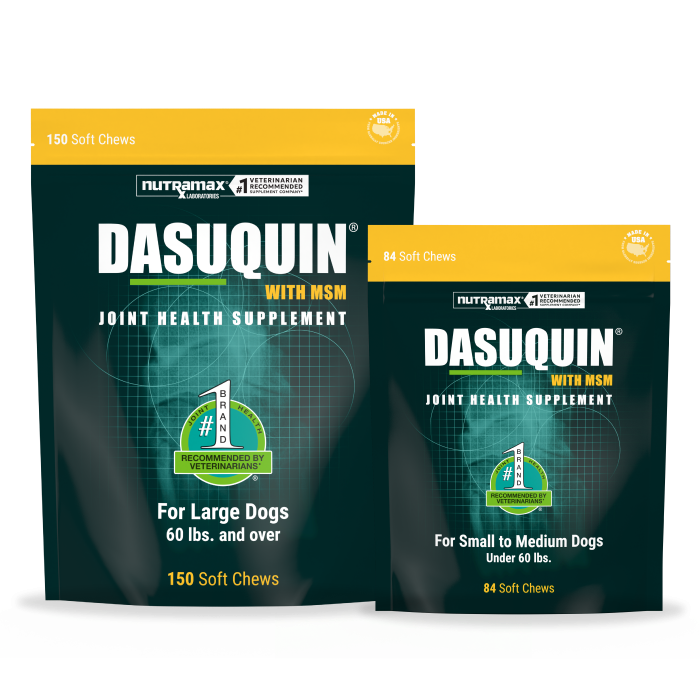
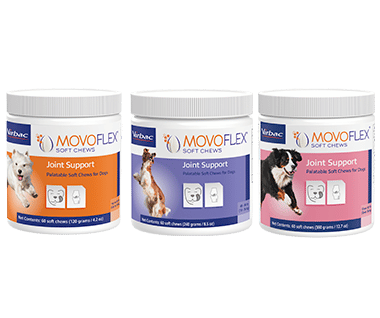
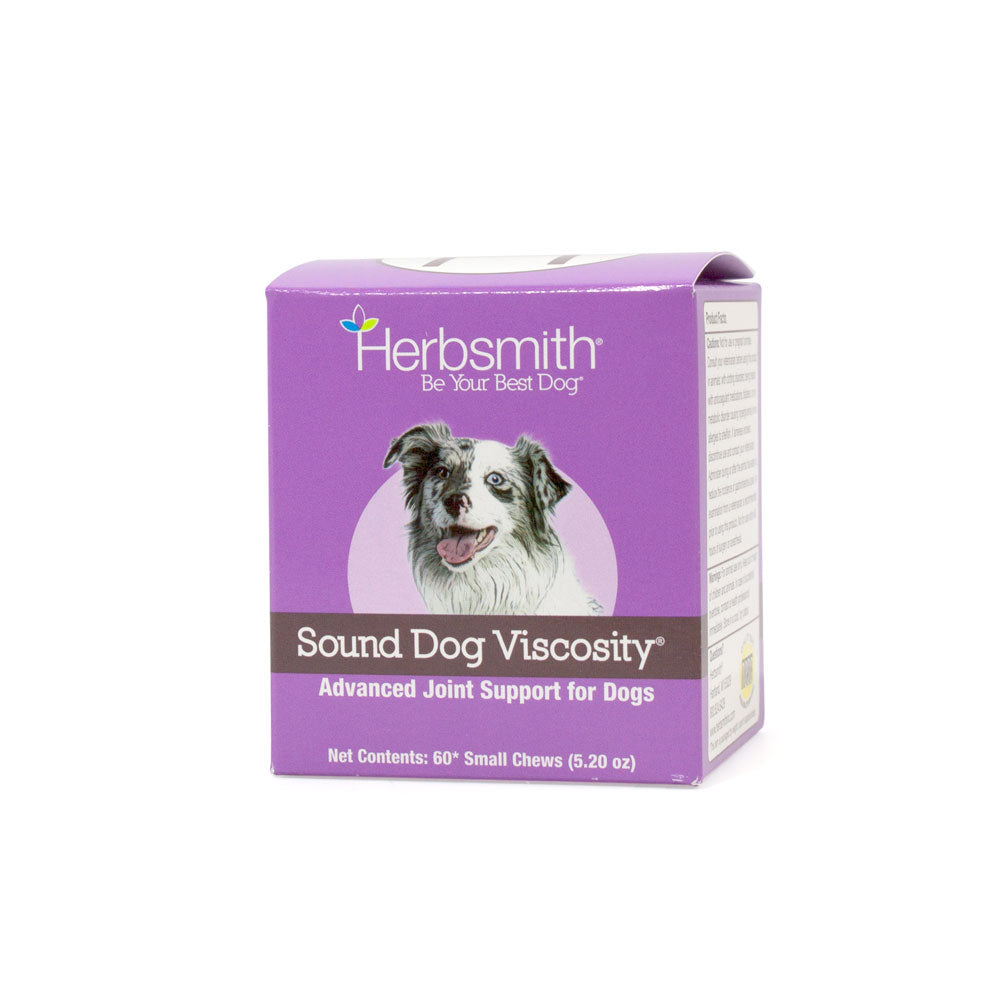
Products in our catalog with Chondroitin Sulfate (20)






Educational information only. Not veterinary advice. Grades reflect published dog research and reviewer consensus, not marketing.