September 22, 2026 · Angelique
Your Dog Does Not Need to Be a Social Butterfly
Dogs can be polite without greeting everyone. Respect the dog who prefers their own people and adventures, learn to create space, and use your voice without apologizing for a reasonable boundary.
Your dog does not have to like everyone.
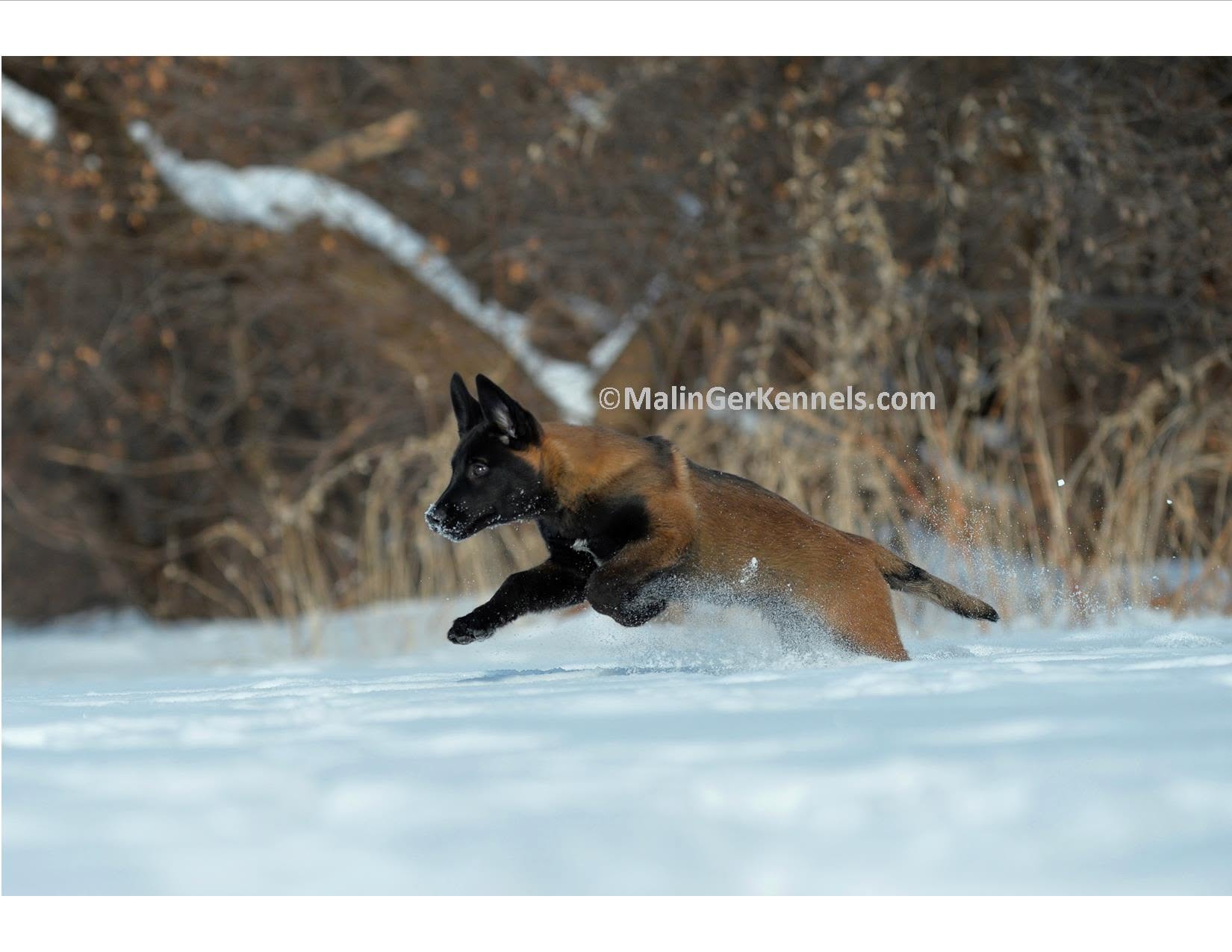
They do not have to greet every dog on the sidewalk, accept a stranger’s hands on their head, or enjoy a crowd of unfamiliar dogs racing towards them. They can prefer their own people, their own adventures and the satisfaction of working through something with the person they trust.
Some dogs love a party. Others would happily spend that time exploring a trail, methodically investigating a scent or learning something with their owner. Both deserve a life that suits them.
I cannot say this enough: dogs need to learn how to share public space politely. They do not have to engage with everyone in it.
Heel up. Step aside. Let someone pass. Continue your walk. That is a perfectly respectable outing.
And when another person asks to approach, “No, my dog isn’t friendly” is all you need to say. You do not owe them an apology, your dog’s history or a chance to prove that they are the exception.
Being sociable is not the measure of a good dog
We recognise that people have different social preferences. Some enjoy a room full of strangers. Others would rather spend time with a few familiar people or concentrate on an activity. We do not need to turn that comparison into a diagnosis to understand that dogs also differ in whom they enjoy and how they spend their time.
A dog may adore their family and have little interest in strangers. They may enjoy one particular dog and prefer to walk past the rest. They may like a familiar companion on a trail while finding a busy play group overwhelming.
The BC SPCA’s guidance on dog social preferences acknowledges that some dogs lose interest in the park and may do better with familiar companions. Enjoying every dog is not a lifelong requirement.
When I talk about a methodical dog, I mean the individual who wants time to observe, investigate, work through a task and check in with their person. That description is about what you see your dog enjoying. It does not make them less capable of affection, or make a more outgoing dog less thoughtful.
Pay attention to the life in front of you. If your dog enjoys a quiet adventure with you, stop measuring its value by how many strangers they meet along the way.
Polite can mean passing without a greeting
By polite, I mean practical behaviour that lets everyone use the space safely: walking with you, keeping out of another dog’s face, giving people room, and moving away when asked.
Your dog can notice someone without being released to approach. They can stand beside you while another dog passes. They can look at a person and return to sniffing. They do not need to offer affection to complete the exercise.
There is a useful example in the AKC Canine Good Citizen test. In its reaction-to-another-dog exercise, dogs are expected to show only casual interest while the handlers meet; the dogs should not approach one another. That single exercise illustrates a valuable everyday skill: comfortable coexistence.
A neat heel can help you navigate a narrow section. Your dog does not need to spend the entire walk in a formal position to demonstrate good manners. Give them appropriate opportunities to sniff and explore, then bring them closer when the situation calls for it.
Our responsibility is to teach those skills and choose distances our dogs can manage. If your dog cannot comfortably pass at arm’s length, step farther away or take another route. Holding them inches from a stranger and demanding stillness does not establish comfort.
“No, my dog isn’t friendly” is a complete boundary
People sometimes hesitate to say it because their dog is loving at home. They worry that it sounds harsh or that someone will think badly of the dog.
You are explaining that an approach is not welcome. You are not writing a personality assessment.
You can say “No, my dog isn’t friendly.” You can say “No greetings.” You can say “Please give us space.” Choose words you can say clearly and promptly.
If someone says their dog is friendly, you do not need to debate it. Their dog’s enthusiasm does not change your answer. If someone announces that all dogs love them, you do not have to arrange a demonstration.
Keep a few responses ready:
What happens | What you can say |
|---|---|
Someone asks whether their dog can say hello. | “No, my dog isn’t friendly.” |
They reply, “It’s okay, mine is friendly.” | “We’re not greeting. Please keep your dog with you.” |
A dog comes towards you on an extended leash. | “Please shorten your leash. My dog needs space.” |
A person reaches towards your dog. | “Do not touch my dog.” |
They continue approaching after you have answered. | “Stop. Give us space.” |
Then act on the boundary: reposition, create distance or leave. A firm statement does not require a long conversation.
You can be calm and direct without adding “sorry.” Declining an interaction is a responsible choice. Anyone approaching a dog should be prepared to accept the answer.
Your voice is the only voice your dog has
YOUR VOICE IS THE ONLY VOICE YOUR DOG HAS. DO NOT BE AFRAID TO USE IT.
Your dog communicates through their body. You are the person who can translate their need into words another human understands, ask a handler to bring their dog back, and choose to leave.
Do that before your dog has to make the situation more obvious.
Watch for turning away, leaning away, a tense body, repeated attempts to create distance, freezing or difficulty disengaging. Consider the whole dog and the circumstances. A wagging tail does not automatically mean an invitation, and a dog standing silently may still be uncomfortable. The Dogs Trust body-language guide explains why context matters.
You also do not have to wait for a stress signal. You can decline simply because this is your walk, you are training, your dog prefers space, or you do not want an interaction today.
A person asking permission has not done anything wrong. The expectation is simple: ask from a respectful distance, accept the answer, and keep moving if the answer is no.
When someone ignores that answer, you do not have to keep smiling while your dog carries the discomfort.
Stand up for your dog with your position, too
Imagine you see another dog coming towards you along a path. You have enough room to move to the side. Before the gap becomes small, cue your dog closer, step into a safe wider area, and put your dog on the side farther from the approaching pair.
You can stand in front of your dog or position yourself between them and an approaching person during an ordinary, manageable encounter. Keep an exit available. Do not back your dog into a corner or place yourself where either dog could bite you.
This is positioning to preserve space. If a dog is charging, behaving aggressively or the situation is already unsafe, prioritise distance and a solid barrier when available. Do not attempt to physically block or grab that dog.
Useful decisions often happen a few seconds earlier than owners expect:
Wait for the next elevator when the one arriving is crowded.
Pause before a narrow gate and let the other person come through.
Cross the street when traffic allows, before the dogs are close.
Turn into a wider part of the path while you still have room.
Leave the shop aisle instead of trying to hold a position as someone squeezes past.
Choose a safe place to step aside. Do not move into traffic, unstable footing, a blind driveway or somewhere your dog becomes trapped.
If standing still makes the encounter harder, keep moving away. Your dog does not need to sit while another dog closes the distance.
Standing aside is considerate. Turning around is allowed. Leaving is allowed. You do not have to remain available for an interaction because someone else has already started it.
The roaming dog on a retractable leash
A dog can be attached to a person and still have enough reach to enter your dog’s space.
If you see a dog wandering across the path on a retractable leash, create distance early. You do not have to wait to see whether the owner stops the line before the dog reaches you.
Say, “Please shorten your leash. We need room.” Keep your own dog close enough to manage safely and choose a route away. Avoid the extended line; do not step over it with your dog or try to catch it with your hands.
The same boundary applies to a dog on a long training line or an ordinary leash that its handler allows to cross the path. The important issue is whether that handler can keep their dog out of your space.
When walking in a busy shared area, choose equipment and a usable leash length that let you maintain control without occupying the whole path. Practise handling it before taking your dog into a demanding situation.
Moving away from a roaming dog is responsible. It is not rude. You are making a decision for the dog in your care. You do not need the other owner’s approval to do that.
Teach the skills that make a quiet passing possible
Boundaries work best alongside practical training. Give your dog familiar actions to follow when you need to move together.
Choose a small set of cues that suit your household. For example:
“With me” or “heel”: come into a useful position beside you for a short section.
“This way”: turn and leave with you.
A check-in: briefly turn towards you when asked.
A brief wait: pause somewhere comfortable while others pass at an appropriate distance.
Teach the action in a quiet place first. Practise your own footwork and reward delivery. Then introduce modest changes in a setting you can manage. The AKC’s guide to duration, distance and distraction describes adjusting difficulty gradually.
For example, a consenting adult helper can walk past at a comfortable distance while your dog stays beside you briefly. Reward the response you wanted, then return to an ordinary activity. A greeting does not have to follow.
Keep the first version easy enough that your dog can notice the person and still respond. If they become fixed on the approach, increasingly tense or unable to move with you, make more space and simplify. Repeating the cue louder does not change how close the other dog is.
Practise moving your dog to the other side of you somewhere quiet before relying on it on a crowded path. This is a handling skill for both of you. It deserves rehearsal.
Our guide to teaching skills in the live environment goes into the progression in detail. If you need help, tell a trainer your actual goal: “I want my dog to pass others comfortably and stay engaged with me.” You do not have to make group play the goal.
Socialisation does not require unlimited access
A puppy can learn that people, dogs and activity exist without greeting every one of them.
Early, carefully managed exposure is important. The American Veterinary Society of Animal Behavior’s puppy-socialisation statement describes positive experiences with the world while avoiding overwhelming fear and overstimulation. Discuss appropriate outings and local infection risks with your veterinarian.
Make room for a range of experiences: observing from a comfortable distance, exploring suitable surfaces, gentle handling, and selected interactions with appropriate people and dogs.
You can also practise a person walking past without stopping. You can let your puppy watch something briefly, then move on together. You can ask a visitor to ignore the puppy while they settle.
Respecting preferences still includes teaching the skills needed for care. Veterinary examinations, grooming and household handling deserve gradual preparation with the professionals involved. Random strangers reaching over your puppy’s head are not a substitute for that work.
A young dog who is excited by everyone also needs boundaries. Give them opportunities to enjoy people while learning that access depends on permission.
Build a full life around what your dog enjoys
Choosing fewer greetings should still leave your dog with a rich, connected life.
For a dog who prefers their own people and purposeful activity, that might include exploring a quieter trail, learning a scent-search game, practising a useful household skill, or working with you in a suitable sport. The activity needs to fit their health, abilities and enjoyment.
Make time for the methodical part. Let them investigate a safe patch of ground. Give them a manageable problem to work through. Notice when they choose to return to you and continue the activity together.
For some dogs, a walk with one familiar companion works well. They may spend much of it walking and sniffing without wrestling. Others may be content with human companionship during their adventures and no close dog-to-dog contact.
You still need to provide appropriate exercise, mental activity, rest and companionship. A smaller social circle does not mean leaving a dog isolated or avoiding every new experience.
There is no requirement to fill a week with dog parks, daycare and crowded patios. Choose the combination your dog can enjoy and your household can sustain. Their life can be active, interesting and shared with you without becoming a calendar of compulsory meet-and-greets.
Respect preference and notice when something needs help
A dog who comfortably walks past others and chooses their own activity presents a different problem from a dog who is panicking, repeatedly lunging, or unable to recover after an encounter.
Both deserve space. The struggling dog also deserves support.
Avoid dismissing obvious distress as “that’s just their personality.” Sudden avoidance, new irritability, changes in movement or a marked loss of tolerance warrant a veterinary discussion. Persistent fear, aggression or bite risk calls for an individual plan with appropriately qualified help. Cornell’s veterinary behaviour service considers medical and behavioural history, risk and treatment together.
While you are working on that plan, choose routes and distances you can manage safely. A muzzle, where appropriate and introduced with professional guidance, can be part of bite-risk management. It does not make close approaches welcome.
“My dog needs space” comes with a responsibility to create that space ourselves where we can, maintain control and respect other people’s boundaries too.
If your dog struggles during an outing, act on the situation in front of you. Increase distance or leave. You can review what happened with your trainer afterwards without turning the moment into a public argument.
Your senior’s social boundaries may become more important
A dog who accepted exuberant greetings years ago may now need a quieter approach.
Pain, changes in mobility, and reduced hearing or vision can affect how a senior manages the world. The AAHA senior-care guidance emphasises recognising subtle pain and making practical environmental changes.
Ask your veterinarian about new changes. Then adapt the outing: more room, familiar routes, suitable footing, and company that will respect your dog’s pace.
Do not expect an older dog to absorb a young dog’s body-slamming or a stranger’s sudden touch because they used to tolerate it. Help them avoid those situations.
You may feel sad when a familiar activity changes. That is understandable. Your dog still deserves adventures that fit the body and preferences they have now.
If your dog is the social butterfly, this applies to you too
Enjoy that sociability and manage it responsibly.
When another owner steps aside, give them room. When they shorten their leash or move their dog to the far side, do not follow to arrange a greeting. Ask before approaching, from far enough away that the answer still matters.
If they say no, bring your dog with you and keep walking. Do not ask what is wrong with their dog. Do not insist yours will help. Do not let the leash extend while you explain how friendly yours is.
The same applies to people who love dogs. Affection for dogs includes respecting the individual who does not want your hands on them.
A dog being quiet beside their owner is already doing something valuable. Let them succeed without interrupting it.
You can protect the kind of life your dog prefers
Your dog can love you, enjoy learning, investigate the world and live a full life without being the life of the party.
Teach them to move with you. Give others room. Practise passing politely. Choose experiences that support their comfort and abilities.
And use your voice.
“No, my dog isn’t friendly.”
No apology is required. Step aside, move away, or continue your adventure together. Respecting the dog beside you is part of responsible ownership.
For more practical support, explore Life With Your Dog. If you want help building those everyday skills, browse our trainer directory and ask about experience with your specific goals.
Featured photo credit: Pets Through The Lens. Sources checked September 22, 2026.
Start Your Next Adventure
Love discovering dog-friendly places like this?
Join Paw Rewards and use our Pawtastic Vacation Planner to plan your next trip, discover dog-friendly destinations across Canada, track your adventures, compete in challenges, and earn Treats for every walk and every memory you create together.
Redeem your Treats for rewards including Puppy Packs, PAWS Magazine subscriptions, Big Country Raw products, Seasonal Boxes, and exclusive offers from our amazing partners.
Because every adventure deserves a reward.
Keep exploring
Everything you need — from finding your next dog to caring for the one already at your feet.
Comments (0)
Loading comments…