September 9, 2026
First 48 Hours With a New Puppy: A Calm Start
Your puppy’s first two days at home should be calm, predictable and connected to the routine their breeder began. Here is how to handle the ride home, meals, sleep, toilet breaks, introductions and early training without overwhelming your puppy.
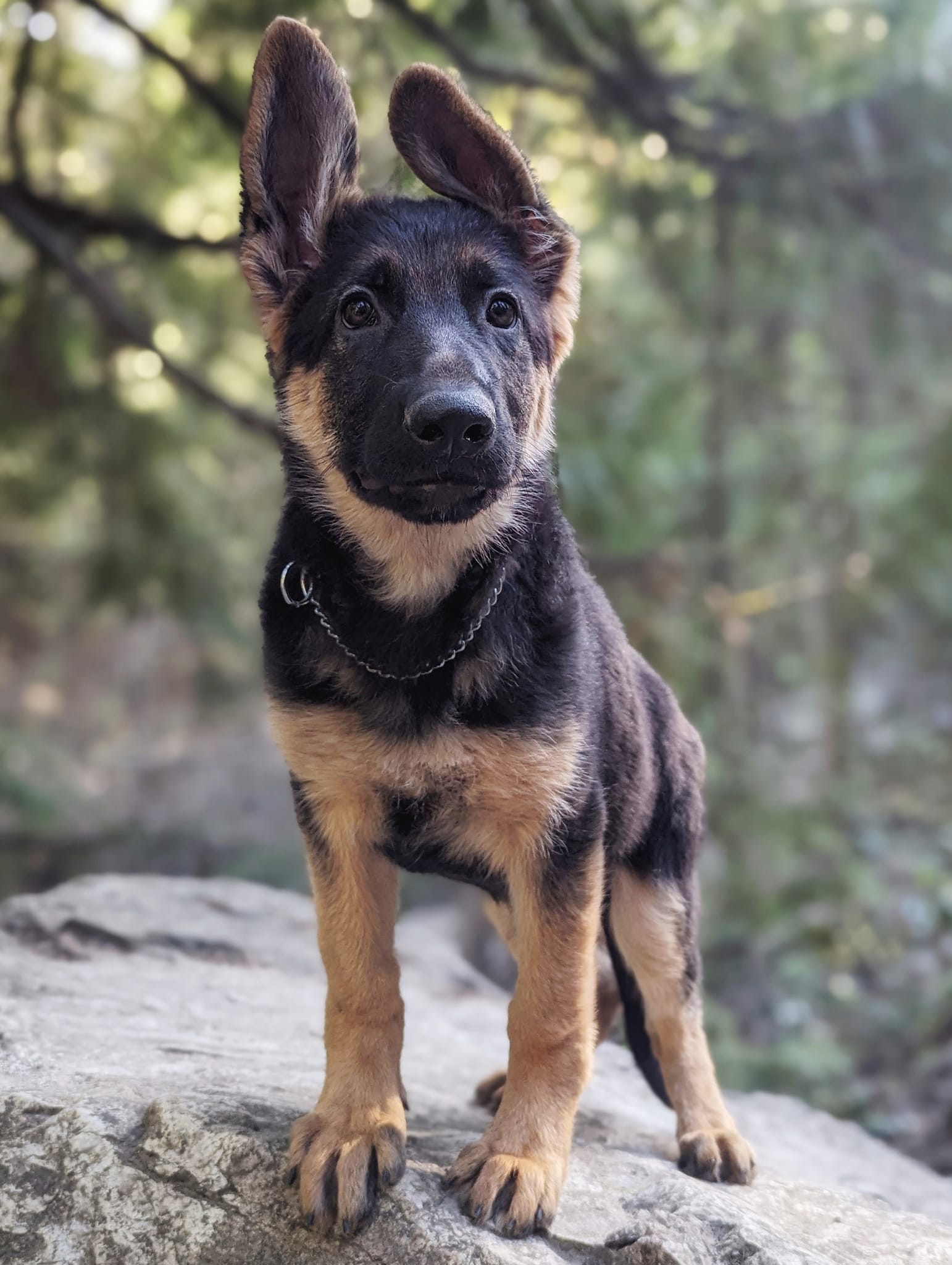
Bringing a puppy home is exciting, emotional and often a little chaotic. Your puppy, however, is not arriving as a blank slate. They are leaving the breeder, people, littermates, smells, sounds and routines they know. In a single day, almost everything familiar changes.
The goal for the first 48 hours with a new puppy is not to introduce everyone, visit every room, begin an ambitious training program or create a perfect schedule. The goal is to help your puppy feel safe enough to eat, drink, sleep, toilet, observe and begin connecting with you.
At Paw Rewards, we see this transition as a handoff between a responsible breeder and a responsible owner. The breeder has already started learning who this puppy is. Your first job is to listen, continue what is working and build from there.
Ideally, parent-dog health testing was reviewed before you committed to the litter. As part of your pickup records, keep copies or official links to the sire's and dam's relevant screening. Our 2026 guide to OFA, PennHIP, CHIC and DNA health testing explains what those reports mean; your puppy's routine veterinary check is not a substitute for the parents' breeding-screening evidence.
Before pickup: Keep a copy of the signed puppy contract and check what it says about health guarantees, registration paperwork and breeder-assist/return support. Our 2026 Canadian puppy contract checklist explains what to verify before the puppy comes home and how lifelong breeder responsibility should work.
Planning beyond the first 48 hours? Continue with our First Week With a Puppy: Days 3–7 guide, then use the first 30 days at home for longer-term routines. If you are still preparing for pickup, start with the new puppy checklist.
Before You Leave the Breeder
Give yourself enough time for a proper handoff. This conversation can prevent confusion once you are home and tired.
Confirm the following before leaving:
The exact food, recipe, amount and meal times your puppy currently knows
When your puppy last ate, drank and went to the toilet
Where and how the puppy has been sleeping
Whether the puppy has already spent time in a crate or pen
The words or cues the breeder has started using
The puppy’s usual signs that they need to go outside
What helps the puppy settle when they are tired or unsure
Any known sensitivities, recent loose stool, motion sickness or other concerns
Vaccination, deworming, microchip and veterinary records
Who to contact if a question comes up after you leave
If you are still preparing, work through the New Puppy Checklist before Gotcha Day. Canadian families can also review the Canadian Food Inspection Agency’s questions to ask before getting a dog, especially when records, transportation or the puppy’s source are unclear.
The Ride Home
Plan the trip around safety, not around the photograph you hope to take. Your puppy should travel in a secured crate or another properly secured restraint that is appropriate for their size and your vehicle. A second adult is helpful, but the passenger should not hold an unrestrained puppy while the vehicle is moving.
Bring water, a bowl, poop bags, towels, wipes, a spare blanket and the breeder’s records. For a longer drive, ask the breeder when the puppy should next eat and where it is reasonably safe to stop.
Some puppies sleep. Some vocalize. Some drool or become carsick. Keep the vehicle calm, comfortably ventilated and free from unnecessary handling. Do not turn the drive into a parade of visitors or a series of busy stops.
If your puppy is travelling a long distance, especially across a border or by air, check the current Canadian rules that apply to that specific trip before pickup. Transport requirements can change and should never be guessed.
Arrival: Toilet First, Tour Second
When you arrive home, take your puppy directly to the toilet area before beginning a house tour. Use the same door and the same outdoor spot you plan to use regularly. Keep the leash quiet and give the puppy time to sniff.
If they go, acknowledge it immediately with calm praise, food or another reward that matters to that puppy. If they do not, bring them inside under close supervision and try again shortly.
Then introduce only the small area prepared for the first few days. Show them:
Where water is available
Where meals will be served
Where the crate, pen or bed is located
Which door leads to the toilet area
One or two safe toys or chews
A whole home can be too much freedom and too much information. A smaller, well managed space lets the puppy learn where to rest, where to toilet and where to find you.
Let Your Puppy Observe
Not every puppy arrives ready to play. A quiet puppy is not necessarily unhappy, and a busy puppy is not necessarily fully settled. Stress can look like stillness, pacing, panting, vocalizing, frantic activity, refusing food, loose stool, constant sleeping or difficulty sleeping.
Give the puppy time to watch the home without every family member reaching for them. Sit nearby. Speak normally. Offer contact and play, but allow pauses. The relationship begins when the puppy learns that you are predictable and that their communication matters.
Your puppy’s temperament, breed, developmental stage and early experience all affect how they respond. A confident puppy may explore quickly. A more thoughtful puppy may need time. A German Shepherd or Belgian Malinois puppy may notice movement, sound and structure differently from a companion breed. Individual dogs still matter more than stereotypes.
Keep the First Day Small
The first day does not need a party. Ask friends and extended family to wait. Avoid pet store trips, crowded public spaces and long neighbourhood walks. Your puppy has enough to process.
A useful first day usually includes:
Short toilet trips
Familiar meals
Access to fresh water
Brief exploration of the prepared area
A little play or engagement if the puppy initiates it
Several opportunities to sleep
Calm contact with the people who live in the home
This is not under stimulating your puppy. It is giving their nervous system time to take in one major life change before adding another.
Meals and Water During the First 48 Hours
Continue the breeder’s feeding routine unless there is a clear reason to change it. Ask for the exact food and preparation instructions instead of relying on memory or switching because another product was easier to buy on the way home.
Paw Rewards supports properly formulated fresh and raw feeding whenever it is practical for the dog and family. Growing puppies have specific nutritional needs, so a fresh or raw diet must be complete, balanced for growth and handled carefully. Raw feeding is not simply putting meat in a bowl, and fresh feeding is not automatically complete because the ingredients look appealing.
If kibble is the practical option, we encourage Canadian families to look at transparent Canadian made foods and compare the actual formulation, ingredients and processing rather than buying from reputation alone. Use Feed Wise to examine and compare foods with more context.
The first 48 hours are usually not the time for an abrupt change. If you plan to transition later, do it thoughtfully and watch the individual puppy. Your breeder’s experience with the litter and your puppy’s history should be part of that decision.
Keep fresh water available unless your breeder or veterinary professional has given a specific, time limited instruction for a medical reason. Watch what is normal for your puppy rather than trying to make them fit a rigid chart.
Toilet Breaks Without Pressure
Take your puppy to the toilet area after waking, after meals, after active play and whenever you see signs such as circling, sniffing, wandering away, becoming suddenly restless or heading toward an exit.
Young puppies have limited bladder control. Accidents are information, not defiance. If you catch an accident beginning, calmly interrupt and take the puppy outside. Clean the area thoroughly with an appropriate cleaner. Do not frighten the puppy or punish them after the fact.
Keep a simple note of eating, drinking, sleep, stool and toilet trips. Patterns often become visible quickly, and those patterns are more useful than an internet schedule that knows nothing about your puppy.
For a deeper plan, read Effective House Training Techniques for Your New Puppy.
Introducing Children
Children should meet the puppy while calm and supervised. Have them sit rather than chase, crowd, lift or pass the puppy from person to person. Show children how to invite interaction and how to recognise when the puppy needs space.
Set family rules immediately:
Do not disturb the puppy while sleeping or eating
Do not climb into the crate or reach through it
Do not take food or chews from the puppy
Do not carry the puppy without adult permission
Do not follow the puppy when they move to their rest area
Adults are responsible for managing both the child and the puppy. Neither should be expected to solve the interaction alone.
Introducing Resident Dogs and Other Pets
Introductions should be planned for the animals in front of you. There is no single script that is correct for every household.
For many dogs, a calm outdoor introduction with space and movement is easier than placing a puppy directly into a resident dog’s home territory. Remove high value food and toys before indoor time. Use gates, pens, crates and leashes as management when appropriate, and give the resident dog their normal access to rest and one on one attention.
Do not force close contact for a photograph. Watch posture, movement, avoidance, fixation, stiffness, vocalization and recovery. Brief, successful interactions are more valuable than keeping animals together until one becomes overwhelmed.
Cats and small animals need secure escape routes and physical separation. A puppy’s curiosity, chase behaviour or excitement can be dangerous even without aggressive intent.
If there is a significant size difference, a history of conflict, intense predatory behaviour or any uncertainty about safety, work with a knowledgeable Canadian trainer or behaviour professional before allowing direct contact.
Training Begins With Information and Relationship
Training begins on the first day, but that does not mean formal drilling. Your puppy is already learning which behaviours open doors, bring food, begin play, create space and earn your attention.
Start with useful, low pressure lessons:
Responding to their name
Following you for a few steps
Coming toward you when invited
Settling in the crate or rest area
Accepting a collar and light leash under supervision
Trading an object rather than being chased
Waiting briefly while a door or gate is managed
Use food, play, movement, access, praise and clear boundaries according to what the puppy understands and values. Paw Rewards does not reduce training to one label or shame owners for using appropriate tools. Methods and tools must be selected for the individual dog, fitted correctly, introduced with skill and used with purpose. Education, timing, fairness and the relationship between dog and handler matter.
The first two days are for communication and foundation, not for creating conflict. This is especially important with confident, intense and high drive working breeds. Structure is valuable, but structure means clarity, supervision, rest and consistent expectations. It does not mean overwhelming a young puppy.
Explore more Canadian new puppy resources in Puppy Academy.
The First Night With Your Puppy
Choose the sleeping plan before bedtime. A crate or secure pen near you often makes the first night easier because you can hear the puppy stir and respond before they have an accident or become highly distressed.
Use the breeder’s information. If the puppy has slept with littermates, the first night alone may feel very different. Familiar bedding or a safe item carrying the breeder’s scent can help when one is provided.
Before bed:
Keep the evening calm
Offer the final meal according to the familiar schedule
Allow normal access to water
Take the puppy to the toilet area
Dim the environment and reduce activity
Place the puppy in the prepared sleep space before everyone is exhausted
Some vocalizing is common. Listen to the pattern and consider what the puppy may need. A puppy who has just settled may protest briefly. A puppy who wakes after sleeping may need to toilet. A puppy escalating into panic needs a different response than a puppy testing whether the door opens when they make one sound.
Comfort does not ruin a puppy. Neither does a clear boundary. The skill is learning which response fits the moment.
Day Two: Repeat Before You Expand
Day two should look familiar. Repetition creates predictability, and predictability helps the puppy settle.
Continue the same toilet door, sleeping area, meal routine and household boundaries. Add only small pieces of the puppy’s new world:
One additional room under supervision
A very short training or engagement session
A calm grooming or handling moment
A brief, successful interaction with a resident pet
A short exploration of your secure yard
A quiet ride if travel practice is appropriate
Do not measure success by how many experiences you can fit into 48 hours. Measure it by whether your puppy is beginning to eat, rest, toilet, explore and look to you for information.
What Not to Do in the First 48 Hours
Do not invite a crowd to meet the puppy
Do not change food without a considered reason and transition plan
Do not give unrestricted access to the entire home
Do not force interaction with children, visitors or resident animals
Do not exhaust the puppy in an attempt to guarantee sleep
Do not punish toilet accidents or fear responses
Do not assume every sound means the same thing
Do not compare your puppy’s adjustment to a social media highlight
Do not stop communicating with the breeder once the puppy leaves
When to Call the Breeder or a Veterinary Clinic
Call the breeder when you are unsure about the puppy’s normal routine, appetite, stool, sleep, temperament or a behaviour you were told to expect. A responsible breeder knows the puppy, the litter and the transition history in a way that a generic online answer cannot.
Contact a veterinary clinic promptly when something feels medically wrong, particularly if the puppy has repeated vomiting or diarrhea, blood in vomit or stool, marked weakness, collapse, difficulty breathing, a swollen or painful abdomen, pale or blue gums, a seizure, suspected poisoning, significant injury, or cannot keep water down. Very young puppies can change quickly.
For uncertainty that is not an emergency, call your regular clinic and describe the puppy’s age, symptoms, timing, eating and drinking, stool, energy level and known medical history. Do not rely on a blog to diagnose an individual puppy.
Your 48 Hour Puppy Checklist
Continue the breeder’s food and routine
Keep the environment small and supervised
Take the puppy to the toilet area after waking, meals and play
Protect several quiet sleep periods
Introduce household members slowly
Manage resident pets instead of forcing contact
Begin simple communication and household boundaries
Record meals, water, stool, sleep and toilet trips
Keep the breeder’s and veterinary clinic’s numbers available
Let the puppy’s behaviour guide the pace
Frequently Asked Questions
Should I let my puppy sleep in my bed on the first night?
Choose the long term arrangement you can manage safely and consistently. A crate or secure pen beside the bed often supports supervision and toilet training while keeping the puppy close. If you eventually want the dog on your bed, consider the puppy’s size, fall risk, house training and ability to settle before granting that freedom.
How often should I take my puppy outside during the first 48 hours?
Take the puppy out after waking, after meals, after active play and whenever they show signs they need to go. Age, size, activity, food, water and the individual puppy all affect timing, so use frequent opportunities and watch patterns instead of expecting one rigid schedule to fit every puppy.
Should I change my puppy’s food when they come home?
Usually, continue the breeder’s familiar food and meal routine while the puppy settles. If you plan a change, make it for a clear reason, confirm the new diet is complete and appropriate for growth, and transition thoughtfully while monitoring the puppy.
How much exercise does a new puppy need on the first two days?
Think in terms of short exploration, play, engagement and toilet trips rather than distance. Avoid forced marches, repetitive jumping and exhausting activity. The right amount depends on age, breed, confidence and what the puppy has already experienced.
What if my puppy cries at night?
Pause and assess the pattern. The puppy may need to toilet, may be struggling with sudden separation or may be learning what brings attention. Keep your response calm and consistent. Support the puppy without turning nighttime into play, and adjust the setup if the puppy is escalating rather than settling.
A Calm Start Builds a Stronger Future
Your puppy does not need perfection in the first 48 hours. They need safe management, familiar food, rest, clear information and people who are willing to learn who they are.
Keep your breeder involved. Build a relationship with a trusted Canadian veterinary clinic. Find a trainer whose experience, communication and methods fit your dog, your goals and your household. Use real information instead of marketing or ideology.
Then let the first two days be what they are meant to be: the quiet beginning of a lifelong relationship.
Ready to keep your puppy’s story together? Explore the Paw Rewards dog owner experience, create your dog’s profile and save the milestones that matter from Gotcha Day forward.
Keep Reading: Puppy Academy
Your puppy journey
Keep building a calm, confident start.
Paw Rewards is free; an active Paw Rewards app account is required to earn and redeem Treats. No breeder invitation is required.
Keep exploring
Everything you need — from finding your next dog to caring for the one already at your feet.
Related Articles
- No related guides to display.
- Browse all articles →
Breeders
Memory Box
Rewards
Do It Right
Comments (0)
Loading comments…