
Working Group Group
Bernese Mountain Dog
Overview
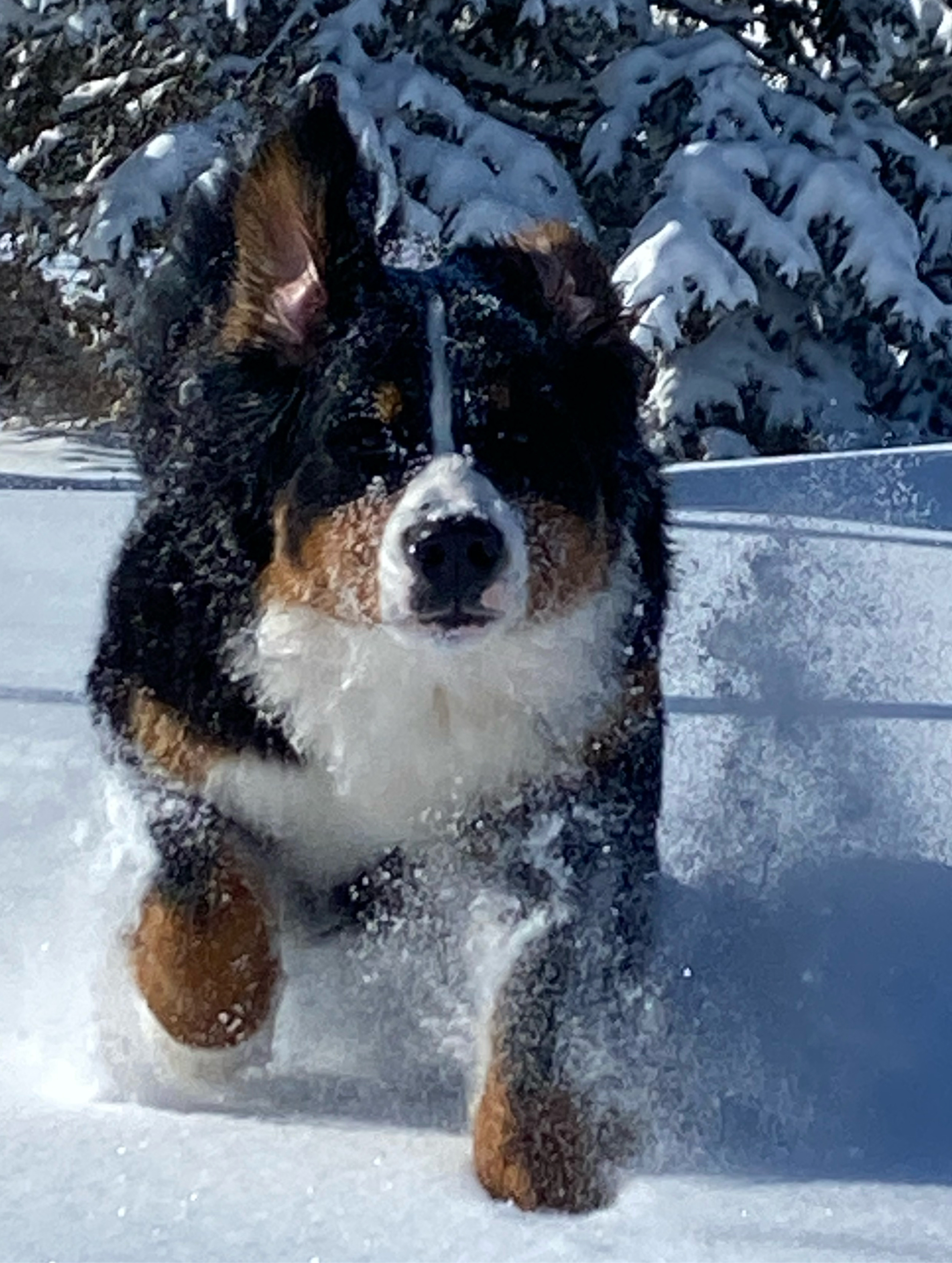
The Bernese Mountain Dog is a large, calm and affectionate companion suited to families who can provide regular companionship, moderate daily exercise and consistent grooming. Often called a Berner, this loyal dog enjoys walks, outdoor activities and time with its family, and responds best to patient, positive training.
Good-natured, calm, affectionate, intelligent, loyal
History & Origin
Hailing from the canton of Bern in Switzerland, the Bernese Mountain Dog's history is deeply rooted in the working farms of the Alpine region. Their ancestors were likely Roman mastiffs brought to Switzerland over 2,000 years ago, which then bred with local farm dogs. Berners were indispensable utility dogs, performing a variety of tasks including driving cattle, guarding farmsteads, and pulling carts laden with dairy products or supplies to market. Their strength, intelligence, and even temperament made them perfectly suited for this demanding work. By the late 19th century, as other breeds gained popularity, the Bernese Mountain Dog population began to decline. However, dedicated fanciers, most notably professor Albert Heim, passionate about preserving Swiss native dog breeds, worked tirelessly to revive and standardize the breed. The first breed club was founded in 1907, and they began to be exported, eventually making their way to North America, where they quickly charmed their way into Canadian hearts.
Canadian Success Stories
Bayraktar Pride of Justin
Ranked first among Bernese Mountain Dogs in CKC’s 2024 conformation standings, with 825 points.
Canadian Kennel Club Top Show Dogs · 2024
SourceKalamity’s Terresistible
Placed ninth across all breeds in CKC’s 2024 herding standings, with 85 points.
Canadian Kennel Club Top Herding Dogs · 2024
Source
Breed Snapshot
- Group
- Working Group
- Origin
- Switzerland
- Height
- Males: 64-70 cm (25-27.5 inches), Females: 58-66 cm (23-26 inches)
- Weight
- Males: 39-50 kg (85-110 pounds), Females: 36-48 kg (80-105 pounds)
- Life expectancy
- 7-10 years
- Exercise
- Moderate
- Grooming
- Moderate to High
- Trainability
- Eager to please, intelligent, but can be stubborn
- With kids
- Excellent (with proper socialization and supervision)
- With dogs
- Good (with proper socialization)
- With cats
- Good (with proper socialization)
Temperament & Personality
Berners are celebrated for their superb temperament. They are typically calm, good-natured, and incredibly affectionate, forming deep bonds with their families. They thrive on companionship and are happiest when involved in family activities. While generally placid indoors, they can be playful and mischievous, especially in their younger years. They tend to be sensitive dogs and do not respond well to harsh training methods. Early and consistent socialization is key to ensuring they are well-adjusted and confident around new people, dogs, and environments. They often display a playful, puppy-like enthusiasm well into adulthood, which can be endearing but requires careful management due to their size.
Exercise & Activity
Despite their large size, Bernese Mountain Dogs have moderate exercise needs. Daily walks, playtime in a securely fenced yard, or opportunities to explore nature are usually sufficient to keep them content and healthy. They enjoy activities like hiking, carting (pulling a small cart, a nod to their heritage), and can excel in canine sports such as agility or obedience. However, being a large, heavy-boned breed, it's crucial to avoid over-exercising young Berners to protect their developing joints. They are sensitive to heat and should not be exercised vigorously during the warmer parts of the day.
Training & Intelligence
Bernese Mountain Dogs are intelligent and generally eager to please, making them quite trainable. However, they can have a stubborn streak, so consistency, patience, and positive reinforcement methods are essential. Puppy classes and early obedience training are highly recommended to establish good manners and social skills from a young age. Their sensitivity means they respond best to gentle guidance and praise. Due to their size, teaching polite leash manners and discouraging jumping are crucial for managing them safely as adults. They excel in activities that involve problem-solving and working alongside their handlers.
Grooming & Care
The Bernese Mountain Dog's beautiful double coat requires moderate to high grooming. They shed considerably, especially during seasonal changes, so regular brushing (2-3 times a week, daily during shedding seasons) is necessary to remove loose hair, prevent mats, and keep their coat healthy. An undercoat rake and a slicker brush are indispensable tools. Occasional bathing, nail trims every few weeks, and regular ear cleaning are also important aspects of their routine care. Their thick coat provides excellent insulation but also means they can overheat easily in warm weather.
Health & Lifespan
Bernese Mountain Dogs, unfortunately, have a shorter lifespan compared to many breeds, typically ranging from 7 to 10 years. They are predisposed to certain health conditions, including various cancers (such as histiocytic sarcoma, lymphoma, and mast cell tumours), hip and elbow dysplasia, bloat (gastric dilatation-volvulus), Von Willebrand's disease (a bleeding disorder), and progressive retinal atrophy. Responsible breeders conduct health screenings on their breeding stock for these and other genetic conditions. Regular veterinary check-ups, a balanced diet, and appropriate exercise are vital for managing their health. Understanding these potential health challenges is crucial for prospective owners.
Is this breed right for you?
A Bernese Mountain Dog can be a wonderful addition to the right Canadian home. They thrive with families who can offer consistent companionship, a securely fenced yard, and are committed to regular grooming and training. Their gentle nature makes them generally good with children and other pets when properly socialized. However, potential owners must be prepared for their moderate exercise needs, significant shedding, potential for high veterinary costs due to health concerns, and their heartbreakingly shorter lifespan. If you're looking for a loyal, affectionate, and striking companion who loves to be part of the family, and you're prepared for the commitment, a Berner might just be your perfect match.
Find Responsible Canadian Breeders
MonDia Bernese
National SponsorSUNDRE, Alberta
We are passionate about Bernese Mountain Dogs, and it is our mission to preserve the integrity of this beautiful breed. All of our dogs are members of our family; living and working alongside us. We are dedicated to responsible breeding practices that ensure the health and well-being of each dog. Our commitment to our dogs doesn’t end at adoption; we offer lifetime support to all families who adopt a MonDia Bernese puppy. We are proud members of the Canadian Kennel Club and the Bernese Mountain Dog Club of Canada.
View BreederFind a Bernese Mountain Dog Breeder in Canada
Looking for a $Bernese Mountain Dog breeder near you? Start with the Canadian breeder directory, then narrow by province, town and breed. Compare each program, read what the breeder shares about health testing and puppy raising, and contact them directly to confirm current plans.
If there is no breeder in your town, widen the search by province rather than choosing only by distance. The right program may be worth travelling for.
Frequently Asked Questions
Do Bernese Mountain Dogs shed a lot?
Yes, Bernese Mountain Dogs are known for shedding considerably, especially during seasonal changes. Regular brushing is essential to manage this.
Are Bernese Mountain Dogs good with kids?
Generally, yes, Bernese Mountain Dogs are known for being excellent with children due to their gentle and patient temperament, provided they are properly socialized and supervised.
How much exercise does a Bernese Mountain Dog need?
Berners require a moderate amount of exercise, typically a good daily walk, playtime, or other activities to keep them mentally and physically stimulated. Avoid strenuous exercise in hot weather.
What is the lifespan of a Bernese Mountain Dog?
The average lifespan for a Bernese Mountain Dog is typically 7 to 10 years, which is shorter than many other breeds.
Are Bernese Mountain Dogs easy to train?
They are intelligent and eager to please, making them trainable. However, they can have a stubborn streak, so consistent, positive reinforcement training is most effective.
Primary breed references
- Canadian Kennel Club (CKC) — Bernese Mountain Dog
Breed origin, temperament, size, coat and grooming.
- American Kennel Club (AKC) — Bernese Mountain Dog
Breed characteristics and care.
These references cover general breed information. They do not verify numeric exercise prescriptions, suitability ratings or the specific Canadian success stories on this page.